British Longhair Cat Health Issues and Average Lifespan Guide
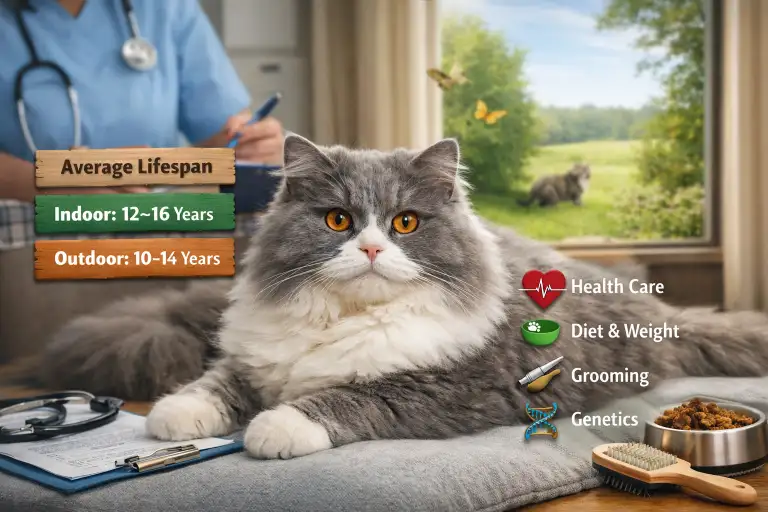
British Longhair cats are known for their calm and gentle nature, and they also tend to live longer than many other cat breeds. On average, a healthy British Longhair will live 12 to 16 years, with some cats reaching 18 years or more when given proper care. Lifespan depends on many factors including genetics, diet, activity, and overall health.
Recommended Dog Care Products
Based on your dog’s age, these products may help with comfort, health, grooming, and daily care.

Purina Pro Plan Veterinary Supplements
Daily probiotics for dogs to support digestive and gut health.
View on Amazon ↗
Earth Rated Poop Bags for Dogs
Leak-proof, extra thick waste bag refill rolls with lavender scent.
View on Amazon ↗
Greenies Pill Pockets for Dogs
Large dog treats for capsule medication, peanut butter flavor.
View on Amazon ↗
HONEY CARE All-Absorb Dog Wrap
Small male dog wraps, 50 count, useful for daily care support.
View on Amazon ↗
Seresto Flea & Tick Collar
Flea and tick treatment and prevention for dogs over 18 lbs.
View on Amazon ↗
Milk-Bone MaroSnacks
Small dog treats with real bone marrow in a 40 oz canister.
View on Amazon ↗
Vital Essentials Dog Treats
Freeze dried beef liver dog treats, grain free and single ingredient.
View on Amazon ↗
Stain & Odor Eliminator
Enzyme cleaner for pet stains, carpet messes, and strong odors.
View on Amazon ↗
Pur Luv Chicken Jerky Treats
Dog treats made with real chicken breast, high protein and chew-friendly.
View on Amazon ↗
Milk-Bone Flavor Snacks
Mini crunchy dog biscuits in a 36 oz canister for small rewards.
View on Amazon ↗As an Amazon Associate, we may earn from qualifying purchases.
Indoor British Longhairs usually live longer than cats that spend a lot of time outdoors. Keeping a cat indoors reduces risks such as traffic accidents, fights with other animals, infections, and exposure to toxins. Outdoor cats face more dangers, which can shorten their lives even if they are otherwise healthy.
Genetics also play a role in how long a British Longhair can live. Cats from healthy bloodlines with few inherited conditions often have longer lifespans. However, even cats with strong genetics need good nutrition, regular exercise, and preventive care to stay healthy over time.
Owners can support their British Longhair’s lifespan by focusing on preventive care, maintaining a healthy weight, keeping up with vaccinations, and providing a safe, stress-free environment. The goal is not just more years but better quality of life throughout their lifespan.
Average British Longhair Lifespan (Indoor vs Outdoor)
| Living Environment | Average Lifespan | Notes |
|---|---|---|
| Indoor | 12–16 years | Protected from outdoor risks |
| Outdoor | 10–14 years | Higher risk of accidents and illness |
| Mixed (Indoor + Outdoor) | 11–15 years | Moderate exposure to risks |
Factors That Influence a British Longhair’s Health and Longevity
Several lifestyle and environmental factors can affect a British Longhair’s health and how long they live. Diet and weight management are very important. Cats that are fed a balanced diet and kept at a healthy weight tend to have fewer health problems like obesity, diabetes, and joint stress.
Activity and mental stimulation also matter. British Longhairs are naturally calm, but regular play and safe exploration help keep their muscles strong and their minds active. Even short interactive play sessions can make a big difference over the years.
Grooming and coat care affect health too. Long, dense fur can develop mats or hairballs if not brushed regularly. Brushing not only helps prevent hairballs but also allows owners to spot skin changes or lumps early, supporting overall well-being.
Routine veterinary care is essential. Regular checkups, vaccinations, and preventive tests allow early detection of potential health problems. Keeping a consistent schedule with the veterinarian helps ensure small issues don’t turn into bigger problems.
Key Lifestyle Factors Affecting British Longhair Health
Recommended Dog Care Products
Based on your dog’s age, these products may help with comfort, health, grooming, and daily care.
Purina Pro Plan Veterinary Supplements
Daily probiotics for dogs to support digestive and gut health.
View on Amazon ↗
Earth Rated Poop Bags for Dogs
Leak-proof, extra thick waste bag refill rolls with lavender scent.
View on Amazon ↗
Greenies Pill Pockets for Dogs
Large dog treats for capsule medication, peanut butter flavor.
View on Amazon ↗
HONEY CARE All-Absorb Dog Wrap
Small male dog wraps, 50 count, useful for daily care support.
View on Amazon ↗
Seresto Flea & Tick Collar
Flea and tick treatment and prevention for dogs over 18 lbs.
View on Amazon ↗
Milk-Bone MaroSnacks
Small dog treats with real bone marrow in a 40 oz canister.
View on Amazon ↗
Vital Essentials Dog Treats
Freeze dried beef liver dog treats, grain free and single ingredient.
View on Amazon ↗
Stain & Odor Eliminator
Enzyme cleaner for pet stains, carpet messes, and strong odors.
View on Amazon ↗
Pur Luv Chicken Jerky Treats
Dog treats made with real chicken breast, high protein and chew-friendly.
View on Amazon ↗
Milk-Bone Flavor Snacks
Mini crunchy dog biscuits in a 36 oz canister for small rewards.
View on Amazon ↗As an Amazon Associate, we may earn from qualifying purchases.
| Factor | Why It Matters | Tips |
|---|---|---|
| Diet & Weight | Prevents obesity and related diseases | Feed balanced meals, monitor portion sizes |
| Activity & Play | Maintains muscle and mental health | Interactive toys, daily playtime |
| Grooming | Reduces hairballs and skin problems | Brush several times a week |
| Veterinary Checkups | Early detection of health issues | Schedule annual exams, preventive screenings |
Common British Longhair Health Issues (Overview Only)
British Longhairs are generally healthy, but there are some common health issues to be aware of. Dental disease is frequent in all cats. Regular oral care, including brushing and dental checkups, can help keep teeth and gums healthy.
Weight-related problems are another concern. British Longhairs are prone to gaining weight if they are not active or are overfed. Obesity can lead to diabetes, joint issues, and heart strain.
Kidney and urinary health can change as cats age. Early signs are subtle, so preventive care and monitoring litter box habits can be helpful. Keeping cats hydrated and feeding high-quality food supports kidney and urinary function.
Heart health and skin or coat conditions are also important to watch. While not every British Longhair will have these problems, routine checkups can help detect issues early, keeping your cat comfortable.
Common British Longhair Health Issues
| Health Issue | General Impact | Preventive Notes |
|---|---|---|
| Dental Disease | Pain, eating difficulties | Regular brushing, vet dental checks |
| Obesity | Joint stress, diabetes | Monitor diet and weight, encourage activity |
| Kidney & Urinary | Age-related decline | Hydration, vet monitoring |
| Heart Conditions | Rare but possible | Routine vet exams |
| Skin & Coat | Hairballs, mats | Weekly brushing, watch for changes |
Preventive Care and Early Health Awareness
Preventive care is the most effective way to help British Longhairs stay healthy and live longer. Regular veterinary visits, including vaccinations and health screenings, are key to catching problems early. Even seemingly minor changes in behavior or appetite can signal health issues before they become serious.
Monitoring weight and body condition is critical. Owners should check their cat’s body shape regularly and adjust diet or activity as needed. Grooming is another preventive measure, allowing you to spot skin changes, lumps, or unusual hair loss early.
Parasite prevention and proper hygiene also protect long-term health. Flea, tick, and worm prevention keeps cats safe from infections that can compromise their well-being. Clean litter boxes and fresh water reduce stress and promote good urinary health.
Preventive Care Checklist for British Longhairs
| Care Task | Frequency | Notes |
|---|---|---|
| Vet Checkups | Annually | More often for seniors |
| Vaccinations | As advised by vet | Keep records updated |
| Grooming & Brushing | 2–3 times/week | Prevent mats and hairballs |
| Weight Monitoring | Monthly | Adjust diet/play accordingly |
| Parasite Prevention | Year-round | Flea, tick, worm control |
| Dental Care | Weekly brushing + vet check | Prevents oral disease |
Quality of Life and Aging in British Longhair Cats
As British Longhairs grow older, their needs gradually change. Senior cats may become less active, sleep more, and have subtle changes in eating or grooming habits. These changes are normal, but owners should pay attention to ensure comfort and happiness.
Recommended Dog Care Products
Based on your dog’s age, these products may help with comfort, health, grooming, and daily care.
Purina Pro Plan Veterinary Supplements
Daily probiotics for dogs to support digestive and gut health.
View on Amazon ↗
Earth Rated Poop Bags for Dogs
Leak-proof, extra thick waste bag refill rolls with lavender scent.
View on Amazon ↗
Greenies Pill Pockets for Dogs
Large dog treats for capsule medication, peanut butter flavor.
View on Amazon ↗
HONEY CARE All-Absorb Dog Wrap
Small male dog wraps, 50 count, useful for daily care support.
View on Amazon ↗
Seresto Flea & Tick Collar
Flea and tick treatment and prevention for dogs over 18 lbs.
View on Amazon ↗
Milk-Bone MaroSnacks
Small dog treats with real bone marrow in a 40 oz canister.
View on Amazon ↗
Vital Essentials Dog Treats
Freeze dried beef liver dog treats, grain free and single ingredient.
View on Amazon ↗
Stain & Odor Eliminator
Enzyme cleaner for pet stains, carpet messes, and strong odors.
View on Amazon ↗
Pur Luv Chicken Jerky Treats
Dog treats made with real chicken breast, high protein and chew-friendly.
View on Amazon ↗
Milk-Bone Flavor Snacks
Mini crunchy dog biscuits in a 36 oz canister for small rewards.
View on Amazon ↗As an Amazon Associate, we may earn from qualifying purchases.
Maintaining a safe, stress-free environment is important for aging cats. Soft bedding, quiet spaces, and easy access to food, water, and litter boxes support older cats. Gentle play and mental stimulation help prevent boredom and maintain mobility.
Regular health monitoring becomes increasingly important with age. Early detection of kidney, heart, or metabolic changes allows adjustments to diet, lifestyle, or vet care to support longevity. Small changes in behavior, coat, or appetite are worth noting.
Typical Aging Changes in British Longhairs
| Age Stage | Common Changes | Owner Tips |
|---|---|---|
| 7–10 years (Mature Adult) | Slight decrease in activity | Gentle play, monitor weight |
| 10–14 years (Senior) | More sleep, slower movement | Soft bedding, easy access to resources |
| 14+ years (Geriatric) | Possible weight fluctuations, dental changes | Regular vet checkups, watch eating/grooming |
Supporting quality of life is about observing, adapting, and providing comfort. British Longhairs can enjoy long, happy lives when owners combine preventive care, attention, and affection.
For more guidance on cat health and preventive care, readers can visit the American Association of Feline Practitioners (AAFP) for trusted, expert-backed information: AAFP Cat Care Guidelines.

Ata Ur Rehman is the founder of Pet Age in Human Years Calculator, an educational platform that provides age conversion charts and lifespan guides for dogs, cats, birds, and other companion animals. His work focuses on helping pet owners understand how animal ages translate into human years using commonly accepted age conversion formulas and published lifespan averages.
The website compiles breed and species lifespan data from kennel clubs, breed organizations, and general animal lifespan studies to present simple and easy-to-understand guides for pet owners worldwide.
This website was created to centralize animal age conversion charts into one easy reference platform for pet owners.