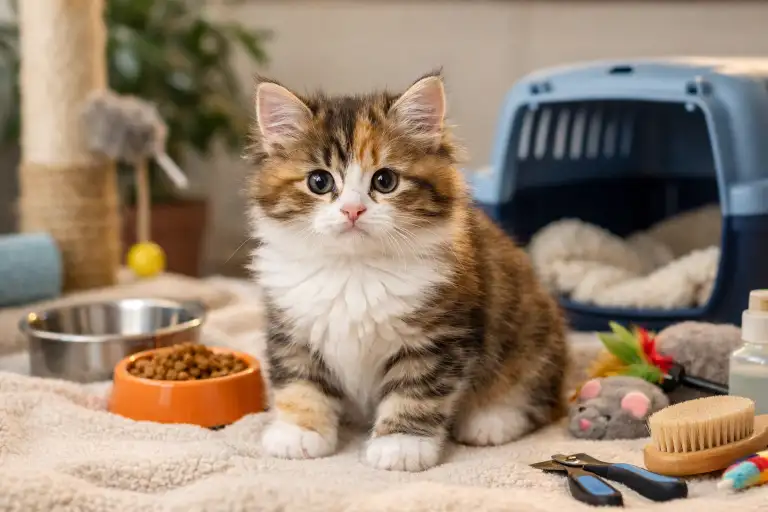
Welcoming a Cymric kitten into your home is an exciting and heartwarming experience. Cymric kittens, known for their affectionate and playful nature, are semi-longhaired and require gentle handling, early socialization, and some preparation to help them settle in smoothly. Whether this is your first kitten or you’re expanding your feline family, a little planning goes a long way in ensuring a happy, healthy start for your new companion.
Before bringing your kitten home, it’s important to set up safe spaces where they can retreat and feel secure. A quiet corner with a cozy bed or blanket helps your kitten adjust to new surroundings without feeling overwhelmed. In addition, prepare an area with essential supplies, including food and water bowls, a litter box, toys, and scratching posts. Having everything ready beforehand reduces stress for both you and your kitten.
Indoor safety is another crucial step. Remove or secure hazards such as dangling cords, small objects that could be swallowed, and toxic plants. Make sure windows and balconies are secure, and that any other pets in your household are introduced gradually and under supervision. This careful preparation helps your Cymric kitten explore confidently and safely.
To make it easy to follow, here’s a quick checklist of essential supplies for your Cymric kitten:
| Supplies | Purpose / Notes |
|---|---|
| Cozy bed or blanket | Provides a secure, comfortable resting spot |
| Food & water bowls | Separate bowls for dry and wet food; clean daily |
| Kitten-appropriate food | Age-appropriate, high-quality diet |
| Litter box & kitten-safe litter | Place in quiet, accessible location; scoop daily |
| Scratching post | Encourages healthy scratching behavior |
| Toys & interactive items | Stimulates play and mental development |
| Grooming supplies (brush, nail clippers) | Helps establish grooming routine early |
| Carrier | For safe travel to vet visits or outings |
By taking these steps before your Cymric kitten arrives, you create a calm, welcoming environment that encourages healthy adjustment, bonding, and a smooth transition into your home.
Feeding, Nutrition & Litter Training
Feeding your Cymric kitten the right way is very important for their growth and health. Kittens need special food that gives them energy and helps their bones and muscles grow strong. They also need to drink fresh water every day.
Kittens eat different amounts at different ages. Here is a simple feeding guide:
| Age | Food Type | How Often | Notes |
|---|---|---|---|
| 0–4 weeks | Mother’s milk or kitten milk replacer | Every 2–3 hours | Only milk; no solid food yet |
| 4–8 weeks | Wet kitten food, small amounts of dry food | 4–5 times a day | Gradually reduce milk as kitten eats more solid food |
| 8–12 weeks | Wet and dry kitten food | 3–4 times a day | Start offering water in a shallow bowl |
| 3–6 months | Wet and dry kitten food | 3 times a day | Make sure portions match kitten’s size and weight |
| 6–12 months | Wet and dry kitten food | 2–3 times a day | Can start adjusting for adult food around 12 months |
It is normal for kittens to eat small amounts but often. Never give them cow’s milk, as it can upset their tummy.
Litter training is usually easy if you follow a few simple steps. Most kittens learn quickly when the litter box is easy to reach and always clean. Here is a guide to make it simple:
| Tip | How to Do It |
|---|---|
| Choose the right litter | Use soft, unscented litter that is safe for kittens |
| Place the box in a quiet spot | Away from noisy areas and food bowls |
| Show the kitten the box | Gently place them in it after meals or naps |
| Keep it clean | Scoop every day and change litter regularly |
| Be patient | If accidents happen, clean without scolding |
Kittens are curious and may explore a lot, so having multiple boxes in different areas can help, especially in bigger homes. Praise them gently when they use the litter box correctly.
By feeding them properly and helping them learn to use the litter box, your Cymric kitten will grow healthy and happy. These habits also make life easier for you as a new owner.
Development, Play & Socialization
Cymric kittens grow and change very fast. Understanding their development helps you know what is normal and how to support them.
Here is a simple guide to their growth and milestones:
| Age | Physical & Behavioral Milestones |
|---|---|
| 0–2 weeks | Eyes and ears start opening, very small and sleepy, depends on mother |
| 2–4 weeks | Starts crawling and exploring, teeth begin to appear |
| 4–8 weeks | Becomes playful, begins socializing with littermates, starts running and jumping |
| 8–12 weeks | Active play, learns to chase toys, begins showing personality traits |
| 3–6 months | Stronger muscles, climbs and scratches more, learns rules of the home |
| 6–12 months | Becomes more independent, energy levels stabilize, social skills improve |
Play is very important for kittens. It helps them grow strong, learn coordination, and develop social skills. Use safe toys like small balls, soft mice, or feather wands. Avoid hands or fingers as toys, because kittens may bite or scratch.
Socialization helps your Cymric kitten become confident and friendly. Handle them gently every day, talk softly, and let them explore new people and safe spaces slowly. If you have other pets, introduce them gradually and always supervise at first.
Sleep is also a big part of their growth. Kittens can sleep 16–20 hours a day. Let them rest in a quiet, cozy place and don’t wake them for long periods unless needed.
By understanding their growth, giving them safe play, and helping them socialize, your Cymric kitten will grow into a happy and confident cat.
Grooming, Health & Vet Basics
Cymric kittens have soft, semi-long hair that needs regular care. Brushing them a few times a week helps prevent mats and keeps their coat shiny. Start brushing early so your kitten gets used to it. Use a soft brush and be gentle on their skin.
Trim nails carefully once or twice a month. If your kitten is nervous, try doing one or two nails at a time and give lots of praise. Check ears and eyes regularly. Wipe away dirt with a soft, damp cloth if needed. Brush their teeth with a kitten-safe toothbrush to help prevent dental problems.
Health checks are important. Take your Cymric kitten to the vet for the first visit as soon as possible. The vet will check weight, growth, and general health. They can also give advice about vaccines, parasites, and diet.
Watch your kitten’s behavior daily. Normal kittens are playful, curious, and sleep a lot. If your kitten stops eating, hides too much, vomits, or has diarrhea, contact your vet for guidance.
Here is a simple grooming checklist to follow:
| Grooming Task | How Often | Tips |
|---|---|---|
| Brushing | 2–3 times per week | Use a soft brush, start slow, praise kitten |
| Nail trimming | Every 3–4 weeks | Trim a few nails at a time, use kitten clippers |
| Ear cleaning | Weekly check | Wipe with soft cloth if dirty, don’t insert deep |
| Eye care | Weekly check | Wipe away discharge gently |
| Dental care | A few times a week | Use kitten-safe toothbrush and toothpaste |
By keeping up with grooming and regular health checks, your Cymric kitten will stay comfortable, healthy, and happy. Early habits also make vet visits and grooming easier as they grow.
Safety, Common Mistakes & Owner Reassurance
Keeping your Cymric kitten safe is very important. Kittens are curious and can get into trouble quickly. Watch out for small objects they can swallow, cords they can chew, and toxic plants. Make sure windows and balconies are secure, and keep cleaning products out of reach.
It is normal for kittens to explore and sometimes make little mistakes. Here are some common mistakes new owners make and how to avoid them:
| Common Mistake | How to Fix It |
|---|---|
| Overfeeding | Follow the feeding schedule and watch your kitten’s weight |
| Skipping grooming | Brush regularly to prevent mats and hairballs |
| Using hands as toys | Always use toys to play, never fingers or toes |
| Not socializing | Gently handle your kitten every day and introduce new people slowly |
| Neglecting litter training | Keep litter box clean and in a quiet, easy-to-reach spot |
A daily routine helps your kitten feel safe and happy. Here is a simple daily checklist:
| Time of Day | Task |
|---|---|
| Morning | Feed kitten, check water, play for 15–20 minutes |
| Midday | Let kitten nap, check litter box |
| Afternoon | Grooming or brushing if needed, playtime |
| Evening | Feed kitten, gentle bonding, quiet time before bed |
| Night | Make sure kitten has a cozy place to sleep |
Remember, it is normal for kittens to sleep a lot, play roughly sometimes, or explore everything in the home. Be patient and gentle. Praise good behavior and avoid scolding.
By keeping your home safe, following routines, and understanding normal kitten behavior, your Cymric will grow confident, happy, and healthy. Enjoy the journey with your new furry friend!
a helpful resource you can link to at the end of your article, you could use the Cymric cat care profile on The Spruce Pets — it offers friendly, breed‑specific information about Cymric characteristics and care: https://www.thesprucepets.com/cymric-cat-full-profile-history-and-care‑4768286

Ata Ur Rehman is the founder of Pet Age in Human Years Calculator, an educational platform that provides age conversion charts and lifespan guides for dogs, cats, birds, and other companion animals. His work focuses on helping pet owners understand how animal ages translate into human years using commonly accepted age conversion formulas and published lifespan averages.
The website compiles breed and species lifespan data from kennel clubs, breed organizations, and general animal lifespan studies to present simple and easy-to-understand guides for pet owners worldwide.
This website was created to centralize animal age conversion charts into one easy reference platform for pet owners.