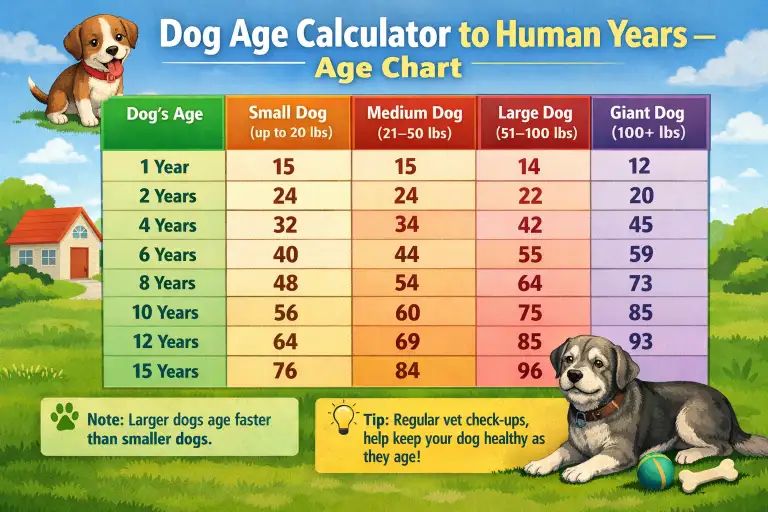
Understanding how your Great Pyrenees ages is the first step in keeping them healthy and happy throughout their life. Unlike the old “1 dog year = 7 human years” rule, aging in dogs—especially in giant breeds like the Great Pyrenees—is not linear. Their bodies and minds develop at different rates compared to humans, and their size significantly influences how quickly they age.
Great Pyrenees puppies grow rapidly in their first year, reaching much of their adult size by around 12 to 18 months. After this initial growth phase, their aging slows down, but giant breeds like the Great Pyrenees tend to show signs of aging earlier than smaller breeds once they reach middle age. Typically, a Great Pyrenees enters their senior years around 7 to 8 years old, while smaller breeds may not show senior traits until much later.
Genetics, diet, activity level, and whether they are spayed or neutered also play key roles in how a Great Pyrenees ages. Understanding these factors helps owners provide the right nutrition, exercise, and medical care at each stage of life. Recognizing the life stage your dog is in can also guide decisions about training, socialization, and preventive healthcare.
By appreciating the unique aging process of Great Pyrenees, owners can make informed choices that support longevity and quality of life, and avoid relying on oversimplified formulas that don’t reflect the reality of giant-breed aging.
Science Behind Great Pyrenees Aging
Great Pyrenees age differently from smaller dogs. Their bodies grow quickly in the first year, but after reaching adult size, giant breeds tend to age faster than smaller dogs. Understanding how they age helps owners take better care of them at each stage.
One important discovery from recent research is that dogs do not age in a simple linear way. Studies using DNA methylation, a process that shows how genes change as dogs get older, show that dogs’ aging is logarithmic. This means that puppies age very fast in the first year, but the aging rate slows as they become adults and then speeds up again in senior years.
Size is also a big factor. Larger dogs like the Great Pyrenees generally have shorter lifespans than small breeds, and they may start showing signs of aging earlier. Other factors, like whether your dog is spayed or neutered, their diet, exercise, and overall health, can also influence how long they live.
Here is a simple table showing how different dog sizes age compared to human years. This helps you understand why Great Pyrenees age faster than smaller dogs after their first few years:
| Dog Size | Average Lifespan (Years) | Aging Notes |
|---|---|---|
| Small (e.g., Chihuahua) | 12–16 | Ages slowly, seniors after 10+ |
| Medium (e.g., Beagle) | 10–14 | Ages moderately, seniors around 8–10 |
| Large (e.g., Labrador) | 9–12 | Ages faster, seniors around 7–9 |
| Giant (e.g., Great Pyrenees) | 8–10 | Ages fastest, seniors around 6–8 |
By understanding this science, you can see why a Great Pyrenees may act middle-aged or senior at a younger human-equivalent age than a small dog. This also explains why breed-specific age calculators and charts are more accurate than the old 7-year rule.
Great Pyrenees Age Calculator and Human Year Chart
Knowing how old your Great Pyrenees is in human years helps you understand their health needs and life stage. Giant breeds like the Great Pyrenees grow fast in their first year, then age differently compared to smaller dogs. This table shows the approximate human age equivalent for each year of a Great Pyrenees’ life.
| Dog Age (Years) | Human Age Equivalent | Life Stage |
|---|---|---|
| 0.5 | 7 | Puppy |
| 1 | 15 | Puppy |
| 2 | 24 | Young Adult |
| 3 | 30 | Adult |
| 4 | 36 | Adult |
| 5 | 42 | Adult |
| 6 | 47 | Adult |
| 7 | 53 | Senior |
| 8 | 58 | Senior |
| 9 | 63 | Senior |
| 10 | 69 | Senior |
| 11 | 74 | Senior |
| 12 | 80 | Senior |
| 13 | 85 | Senior |
| 14 | 90 | Senior |
For example, a 3-year-old Great Pyrenees is roughly 30 in human years, while an 8-year-old is about 58. This shows why large dogs may need senior care earlier than smaller breeds.
Life Stages and Age-Related Care for Great Pyrenees
Great Pyrenees go through three main life stages: puppy, adult, and senior. Knowing what to expect at each stage helps you keep your dog healthy and happy.
Puppies grow quickly in their first year. They need proper nutrition to support bones and muscles, socialization to learn good behavior, and gentle exercise to build strength without hurting joints.
Adults are fully grown and usually between 2 and 7 years old. They need a balanced diet, regular exercise, and mental stimulation. Giant breeds like Great Pyrenees may start showing early signs of aging around 6 or 7 years, so preventive care is important.
Senior dogs, usually 8 years and older, may slow down, gain weight easily, and develop joint or health issues. Regular vet check-ups, softer food if needed, and gentle exercise help them stay comfortable and healthy.
Here is a table summarizing the life stages and key care tips:
| Life Stage | Age Range | Physical Changes | Behavior | Recommended Care/Nutrition |
|---|---|---|---|---|
| Puppy | 0–1 year | Rapid growth, developing bones and muscles | Energetic, learning social skills | High-quality puppy food, socialization, gentle exercise |
| Adult | 2–7 years | Full size, stable energy | Active, trained, alert | Balanced diet, regular exercise, mental stimulation, preventive vet care |
| Senior | 8+ years | Slower metabolism, potential joint issues | Less active, may sleep more | Soft or senior dog food, gentle walks, regular vet check-ups, joint supplements if needed |
Using this table, you can easily see what your Great Pyrenees needs at each life stage and plan care, diet, and exercise appropriately.
FAQs About Great Pyrenees Age and Human Years
Many Great Pyrenees owners have questions about their dog’s age and how it relates to humans. Understanding these answers can help you provide the best care at every stage.
Here are some common questions and answers:
| Question | Answer |
|---|---|
| How old is my Great Pyrenees in human years? | Use the age chart For example, a 5-year-old Great Pyrenees is about 42 in human years. |
| When is my Great Pyrenees considered senior? | Usually around 7 to 8 years old, giant breeds age faster than smaller dogs. |
| Do Great Pyrenees age faster than small dogs? | Yes, giant breeds like Great Pyrenees show signs of aging earlier than small breeds. |
| How can I help my dog live longer? | Provide a healthy diet, regular exercise, preventive vet care, and keep an eye on weight and joint health. |
| Are the 7-year rule conversions accurate? | No, the “1 dog year = 7 human years” rule is oversimplified. Giant breeds age differently and need breed-specific charts. |
- Understanding Great Pyrenees Aging
- Science Behind Great Pyrenees Aging
- Great Pyrenees Age Calculator and Human Year Chart
- Life Stages and Age-Related Care for Great Pyrenees
- FAQs About Great Pyrenees Age and Human Years
For more information on canine aging research and life expectancy, you can visit the American Kennel Club’s guide on calculating your dog’s age.

Ata Ur Rehman is the founder of Pet Age in Human Years Calculator, an educational platform that provides age conversion charts and lifespan guides for dogs, cats, birds, and other companion animals. His work focuses on helping pet owners understand how animal ages translate into human years using commonly accepted age conversion formulas and published lifespan averages.
The website compiles breed and species lifespan data from kennel clubs, breed organizations, and general animal lifespan studies to present simple and easy-to-understand guides for pet owners worldwide.
This website was created to centralize animal age conversion charts into one easy reference platform for pet owners.