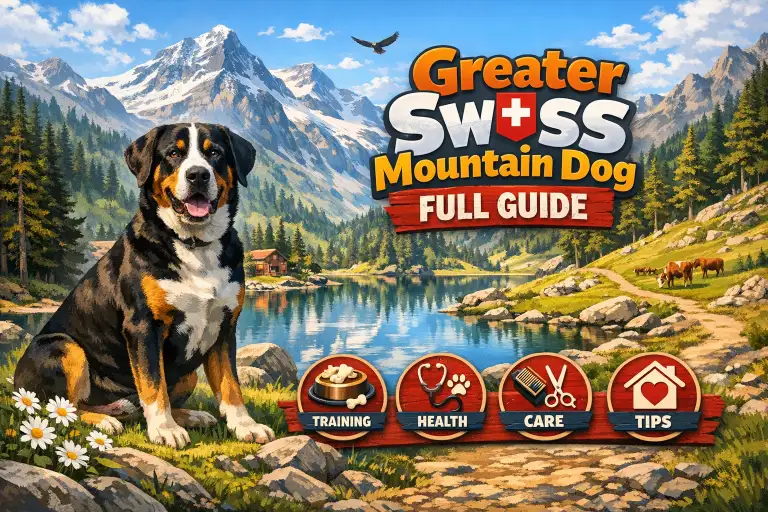
The Greater Swiss Mountain Dog, often abbreviated as GSMD, is a majestic and versatile breed known for its size, strength, and gentle temperament. Originating in the Swiss Alps, these dogs were historically used as draft dogs, herding livestock, and guarding farms. Today, they are cherished as loyal family companions, offering a unique combination of calmness, intelligence, and protective instincts.
These gentle giants are ideal for families who have the space and time to accommodate their exercise and social needs. While they are large and imposing, their temperament is often described as affectionate, patient, and good-natured, making them surprisingly adaptable to family life when properly socialized.
The following table provides a quick snapshot of the breed’s essential facts:
| Attribute | Details |
|---|---|
| Size | Large (Male: 25.5–28.5 inches, Female: 23–27 inches) |
| Weight | Male: 100–140 lbs, Female: 85–110 lbs |
| Lifespan | 8–11 years |
| Coat | Short, dense, double coat |
| Colors | Tricolor: black, rust, and white markings |
| Temperament | Loyal, calm, gentle, protective |
| Energy Level | Moderate; enjoys daily exercise and mental stimulation |
This section sets the stage for prospective owners, giving them an at-a-glance understanding of what makes the Greater Swiss Mountain Dog special and what to expect from this powerful yet gentle breed.
Appearance, Temperament & Behavior
The Greater Swiss Mountain Dog is a large, strong, and beautiful dog. They have a sturdy body, straight back, and broad chest. Their coat is short, thick, and shiny, with a classic tricolor pattern: mostly black with rust-colored markings and white on the chest, face, and paws. These dogs look impressive but are built for work and activity, not just show.
Temperament-wise, GSMDs are calm, friendly, and loyal. They form strong bonds with their families and enjoy being around people. They are protective but not aggressive, and they usually get along well with children and other pets if introduced properly. These dogs are intelligent, which helps with training, but they can be stubborn at times. Early socialization and gentle, consistent training are key to a happy, well-behaved dog.
Here is a simple table showing how they behave in different situations:
| Situation | Behavior |
|---|---|
| With Family | Loving, loyal, enjoys attention |
| With Children | Patient and gentle, playful |
| With Strangers | Wary but not aggressive, protective instincts |
| With Other Pets | Usually friendly, can coexist with proper introduction |
| Energy Level | Moderate; enjoys walks, playtime, and outdoor activities |
| Protective Instinct | Strong; will alert family to danger |
Care, Exercise & Training
Taking care of a Greater Swiss Mountain Dog means meeting their physical, mental, and grooming needs. These dogs are active and enjoy spending time outdoors. They need daily exercise like long walks, playtime in a yard, or hiking. Mental stimulation is also important, such as puzzle toys, basic obedience training, or learning new commands. Without enough activity, they can become bored and may start chewing or digging.
Grooming a GSMD is simple but regular. Their short coat needs brushing a few times a week to remove loose hair. They only need baths occasionally. Nails should be trimmed regularly, ears checked for infections, and teeth brushed to keep them healthy.
Training works best with gentle, positive methods. They respond to praise, treats, and consistent commands. Starting training and socialization early helps prevent stubborn behavior and ensures they grow into confident, well-behaved adults.
Here is a table summarizing care, exercise, and training needs:
| Area | Needs & Tips |
|---|---|
| Exercise | 1–2 hours per day; walks, playtime, hiking |
| Mental Stimulation | Puzzle toys, obedience training, learning new commands |
| Grooming | Brush 2–3 times per week, occasional bath, nail trimming |
| Ears & Teeth | Check ears weekly, brush teeth 2–3 times a week |
| Training | Positive reinforcement, consistent commands, early socialization |
| Special Notes | Needs space to move, enjoys outdoor activities, strong and active |
Health, Lifespan & Costs
Greater Swiss Mountain Dogs are generally healthy, but like all large breeds, they can have some health problems. Their average lifespan is around 8 to 11 years. Common health issues include hip and elbow dysplasia, bloat (gastric torsion), heart problems, and certain eye conditions. Regular veterinary check-ups and early screenings can help detect problems before they become serious.
Owning a GSMD also comes with costs to consider. Puppies can be expensive, and ongoing expenses include food, vet visits, grooming, and insurance. Planning for these costs helps ensure the dog has a happy and healthy life.
Here is a table showing common health issues and recommended screenings:
| Health Issue | How Common | Recommended Checks |
|---|---|---|
| Hip Dysplasia | Moderate | Hip X-rays, OFA certification |
| Elbow Dysplasia | Moderate | Elbow X-rays, vet evaluation |
| Bloat (Gastric Torsion) | Moderate | Watch diet, avoid rapid eating, emergency plan |
| Heart Problems | Low to Moderate | Cardiac exam, echocardiogram if needed |
| Eye Conditions | Low | Regular eye check-ups |
Here is a table summarizing typical costs for owning a Greater Swiss Mountain Dog:
| Expense | Typical Cost Range |
|---|---|
| Puppy Price | $2,000–$3,500 |
| Food | $50–$100 per month |
| Routine Vet Care | $200–$500 per year |
| Grooming | $20–$50 per month (at-home) |
| Pet Insurance | $50–$100 per month |
Pros, Cons & Suitability
The Greater Swiss Mountain Dog is a wonderful breed for the right owners. They are loyal, gentle, and protective, making them excellent family companions. They enjoy being part of daily activities and are great with children when properly socialized. However, their large size and exercise needs mean they are not suitable for every home.
Here is a table summarizing the main pros and cons of the breed:
| Pros | Cons |
|---|---|
| Loyal and affectionate | Large size requires space |
| Gentle with children | Needs daily exercise |
| Protective without being aggressive | Can be stubborn during training |
| Intelligent and trainable | Grooming and health care costs can be high |
| Good with other pets if socialized | Not ideal for small apartments |
This breed fits best in homes with families, active owners, or those with a yard or space to play. They can live happily in multi-pet households if introduced properly. Here is a table showing suitability for different types of owners:
| Owner Type | Suitability | Notes |
|---|---|---|
| Families with children | High | Gentle, patient, enjoys play |
| First-time owners | Medium | Needs commitment and training knowledge |
| Apartment living | Low | Requires space and daily exercise |
| Seniors | Medium | Good companionship if physically able to exercise them |
| Active/athletic owners | High | Loves outdoor activities and hiking |
| Multi-pet households | Medium-High | Usually friendly, proper introductions needed |
Here is a simple comparison with similar breeds:
| Breed | Size | Temperament | Exercise Needs | Grooming |
|---|---|---|---|---|
| Greater Swiss Mountain Dog | Large | Loyal, gentle | Moderate | Low |
| Bernese Mountain Dog | Large | Calm, affectionate | Moderate | Medium |
| Saint Bernard | Very Large | Gentle, protective | Low | Medium |
| Appenzeller Sennenhund | Medium-Large | Energetic, alert | High | Low |
For more detailed breed standards and official information, you can visit the American Kennel Club page on Greater Swiss Mountain Dogs.

Ata Ur Rehman is the founder of Pet Age in Human Years Calculator, an educational platform that provides age conversion charts and lifespan guides for dogs, cats, birds, and other companion animals. His work focuses on helping pet owners understand how animal ages translate into human years using commonly accepted age conversion formulas and published lifespan averages.
The website compiles breed and species lifespan data from kennel clubs, breed organizations, and general animal lifespan studies to present simple and easy-to-understand guides for pet owners worldwide.
This website was created to centralize animal age conversion charts into one easy reference platform for pet owners.