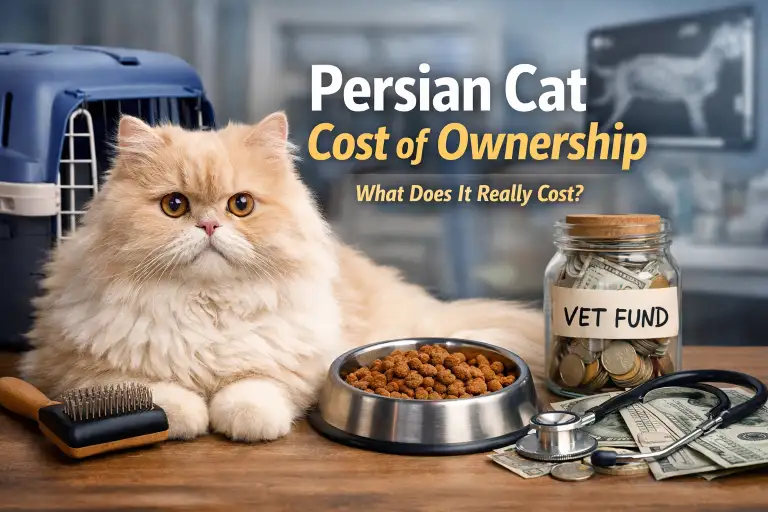
Owning a Persian cat is very different from owning an average domestic cat, and the cost difference goes far beyond the initial purchase or adoption fee. Persians are a high-maintenance breed by nature, and their long-term expenses are shaped by grooming needs, health considerations, and the lifestyle they require to stay comfortable and healthy.
When people search for the cost of owning a Persian cat, they are usually trying to answer one practical question: Can I afford this cat responsibly over the long term? That question cannot be answered by looking at a single price or monthly estimate. True cost of ownership includes one-time setup expenses, ongoing monthly and annual costs, the risk of unexpected medical bills, and the time commitment that directly affects your budget.
This guide focuses on ownership costs, not just the price of acquiring a Persian. It looks at what you will likely spend throughout a Persian cat’s life, why those costs tend to be higher than average, and where new owners are most often caught off guard financially. All cost discussions are meant as planning estimates, not guarantees, because real expenses vary based on location, veterinary care availability, lifestyle choices, and the individual cat’s health.
It’s also important to understand that some costs associated with Persian cats are not optional. Regular grooming, consistent veterinary monitoring, and indoor-friendly living environments are part of responsible ownership. Skipping or delaying these needs may reduce short-term spending, but it often increases long-term costs and health risks.
Before moving into detailed cost breakdowns, the goal of this section is to set expectations. A Persian cat can be a rewarding companion, but only if the financial and time commitments fit realistically into your life. The sections that follow will break down where the money goes, how costs add up over time, and what owning a Persian cat truly requires from a budgeting perspective.
One-Time & Initial Costs of Owning a Persian Cat
Before a Persian cat settles into your home, there are several costs you usually pay only once at the beginning. Many people underestimate this stage because they focus only on the cat’s price. In reality, the setup costs can be just as important for your budget.
One-Time Persian Cat Ownership Costs
| Cost Category | What It Covers | Why It Matters for Persians |
|---|---|---|
| Adoption or purchase | Shelter or breeder fee | Entry point into ownership |
| First vet visit | Health check, vaccines review | Persians need early monitoring |
| Spay or neuter | One-time surgery | Part of responsible ownership |
| Starter supplies | Litter box, bowls, carrier, bed | Required before bringing cat home |
| Grooming tools | Brushes and combs for long fur | Daily grooming is not optional |
| Home setup | Cleaning and indoor adjustments | Helps manage fur and hygiene |
One of the first expenses is the adoption or purchase cost. Some Persians come from shelters, while others come from breeders. The source can change the upfront cost, but it does not remove the need for proper care once the cat is home.
A first veterinary visit is also part of the initial cost. This visit is used to check the cat’s overall health, confirm vaccinations, and spot early issues. Persian cats often need extra attention to their eyes, breathing, and teeth, even when they are young. These early checks help set a baseline for future care.
Spaying or neutering is another common early expense if it has not already been done. This is usually a one-time medical cost and is part of responsible ownership.
Basic supplies are also needed before or right after bringing your Persian home. These include a litter box, litter, food and water bowls, a carrier, scratching posts, and a bed. Persian cats also need grooming tools from the start, such as combs and brushes made for long hair. These tools are not optional, because regular grooming helps prevent mats, skin problems, and hair buildup.
Some homes also need small adjustments. Persian cats are usually kept indoors, so owners may spend money on air filters, extra cleaning supplies, or furniture covers to manage fur and dust. These costs are easy to forget but still part of the setup phase.
Together, these one-time and early costs create the financial starting point of Persian cat ownership. They do not repeat every month, but they do affect how much money you need before you bring the cat home.
Monthly & Annual Persian Cat Expenses
After the first setup costs, most of your spending comes from monthly and yearly care. These are the costs you need to plan for long term, because they repeat for your cat’s entire life.
Recurring Persian Cat Costs
| Expense Type | Frequency | What Drives the Cost |
|---|---|---|
| Food | Monthly | Coat and digestive needs |
| Litter | Monthly | Indoor-only lifestyle |
| Grooming | Monthly / Annual | Long hair maintenance |
| Vet care | Annual | Routine monitoring |
| Supplies | Annual | Replacement of worn items |
Food is a regular monthly cost. Persian cats often need good-quality food to support their coat, digestion, and overall health. This is not a one-time choice. Food costs continue every month and may change as your cat gets older.
Litter is another steady expense. Persian cats are usually indoor cats, so litter is used every day. You will need to buy litter often, along with basic cleaning supplies to keep the litter area clean and odor-free.
Grooming is a big part of monthly or yearly costs for Persian cats. Their long hair needs regular brushing at home, and many owners also pay for professional grooming several times a year. Grooming helps prevent painful hair mats, skin problems, and hairballs. Skipping grooming can lead to health issues that cost more later.
Routine veterinary care is usually planned on a yearly basis, but it still affects your budget. This includes regular checkups, vaccinations, and basic preventive care. Persian cats may need closer monitoring for eyes, teeth, and breathing, which can add to these routine costs over time.
There are also small but ongoing costs that add up slowly. These include replacing worn-out bowls, beds, scratching posts, and toys. While each item may seem cheap on its own, together they become part of your yearly spending.
Monthly and annual expenses often grow as your cat ages. Older cats may need special food, more vet visits, or extra grooming support. This is why it is important to think beyond the first year and plan for changes over time.
Persian Cat Health, Grooming & Unexpected Costs
Some of the most stressful costs of owning a Persian cat are the ones you do not see coming. These costs are not monthly or planned, but they can have a big impact on your budget when they happen.
Costs Persian Cat Owners Often Forget
| Cost Type | When It Appears | Why It’s Missed |
|---|---|---|
| Emergency vet care | Sudden illness or injury | Hard to predict |
| Extra grooming | Severe matting | Underestimated daily brushing |
| Health testing | Ongoing conditions | Not part of routine visits |
| Senior care | Older age | Costs increase over time |
Persian cats can have health problems that need extra care. Issues with eyes, breathing, skin, or teeth may appear over time, even if the cat was healthy as a kitten. Vet visits for these problems can happen more than once a year, and tests or treatments can increase costs quickly. These are not rare situations for this breed, which is why planning matters.
Emergency vet visits are another cost many owners forget. Accidents, sudden illness, or breathing trouble can happen at any age. Emergency care usually costs more than regular vet visits and often must be paid right away.
Grooming can also turn into an unexpected cost. If a Persian’s fur becomes badly matted, professional grooming or even shaving may be needed. This often happens when owners underestimate how much daily brushing is required. Severe matting can also lead to skin infections, which adds medical costs on top of grooming.
As Persian cats get older, costs often rise. Senior cats may need more checkups, special diets, or extra care for chronic health problems. These changes are normal, but they can be hard to manage if you are not prepared for them.
Unexpected costs are not just about money. They also come with emotional stress and time pressure. Knowing these risks ahead of time helps you make calmer and better decisions when problems appear.
Lifetime Cost of Owning a Persian Cat & Can You Afford It?
When you look at all the costs together, owning a Persian cat is a long-term financial responsibility. The lifetime cost is not just one big number. It is the result of many small and large expenses adding up over many years.
Estimated Lifetime Cost Overview
| Cost Level | What It Assumes | Who It Fits |
|---|---|---|
| Lower range | Mostly home grooming, fewer health issues | Experienced owners |
| Average range | Mix of grooming and routine vet care | Most households |
| Higher range | Ongoing health care and emergencies | Higher-risk situations |
A Persian cat can live for well over ten years. During that time, you will pay for food, litter, grooming, and regular vet care every year. On top of that, there may be health problems, emergencies, or special care needs as your cat gets older. Grooming and medical care are the biggest reasons Persian cats usually cost more than average cats over their lifetime.
Your lifestyle also affects the total cost. A single Persian cat may cost less than having more than one cat. Owners who do daily grooming at home may spend less on professional grooming, but they still invest time and effort. Living in an area with higher vet or grooming prices can also raise lifetime costs.
The most important question is not “How cheap can this be?” but “Can I afford this responsibly for many years?” A Persian cat depends on you for daily care, comfort, and medical attention. If regular grooming, routine vet visits, and possible emergency costs feel stressful or out of reach, this breed may not be the right fit.
Thinking about lifetime cost before bringing a Persian cat home helps protect both you and the cat. It allows you to plan ahead, avoid surprises, and give your pet stable care throughout its life.
For a broader look at general cat care needs and responsible ownership basics, you can also review the ASPCA’s guide to cat care and health.

Ata Ur Rehman is the founder of Pet Age in Human Years Calculator, an educational platform that provides age conversion charts and lifespan guides for dogs, cats, birds, and other companion animals. His work focuses on helping pet owners understand how animal ages translate into human years using commonly accepted age conversion formulas and published lifespan averages.
The website compiles breed and species lifespan data from kennel clubs, breed organizations, and general animal lifespan studies to present simple and easy-to-understand guides for pet owners worldwide.
This website was created to centralize animal age conversion charts into one easy reference platform for pet owners.