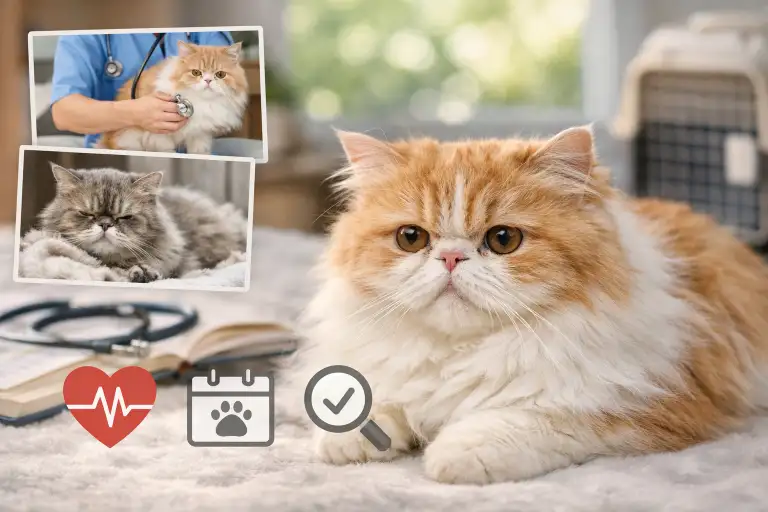
Persian cats are known for their calm temperament and close bonds with their owners, and one of the most common questions people ask is how long they typically live. While no single number applies to every cat, Persians often enjoy lifespans comparable to many other well-cared-for domestic cats when their needs are understood and supported.
In general, many Persian cats live into their early to mid-teens, and some live longer. Lifestyle, environment, genetics, and routine care all play meaningful roles in shaping longevity. It’s also important to remember that lifespan figures are averages, not limits—individual cats can fall above or below these ranges.
Typical lifespan ranges at a glance
| Living situation | Common lifespan range | Helpful context for owners |
|---|---|---|
| Indoor Persian cats | Around 12–16 years | Indoor living reduces exposure to accidents, parasites, and infectious risks |
| Outdoor or indoor–outdoor Persians | Often shorter on average | Increased exposure to hazards can affect overall longevity |
| Well-monitored, low-stress homes | Sometimes longer than average | Consistent routines and early observation support long-term health |
These ranges reflect broad trends rather than guarantees. Some Persians reach senior age with relatively few health challenges, while others may need closer monitoring earlier in life.
How Persians compare to other cats
Compared with the general domestic cat population, Persians are not automatically “short-lived,” but they do tend to have specific care considerations that can influence lifespan if overlooked. Their physical structure, grooming needs, and sensitivity to routine changes mean that attentive, preventive-focused care can make a noticeable difference over time.
Why lifespan varies so much
Even among Persian cats raised in similar environments, lifespan can vary widely. Factors such as inherited traits, quality of early-life care, nutrition, stress levels, and how quickly changes are noticed all interact over a cat’s lifetime. For owners, this means focusing less on a number and more on supporting steady wellbeing year after year.
Understanding typical lifespan expectations helps set realistic, reassuring goals: not perfection, but a long, comfortable life supported by awareness, consistency, and partnership with a veterinarian.
Factors That Influence a Persian Cat’s Health and Longevity
How long a Persian cat lives is not decided by one single thing. It is usually the result of many small factors working together over time. Some of these factors are outside an owner’s control, but many are part of daily care and routine.
Below are the most important influences on a Persian cat’s long-term health, explained in simple terms.
Key factors that shape a Persian cat’s lifespan
| Factor | Why it matters | What owners can do |
|---|---|---|
| Genetics | Some health tendencies are passed down at birth | Choose responsible breeders and plan for routine vet checks |
| Indoor lifestyle | Indoor cats face fewer dangers | Keep Persians safely indoors whenever possible |
| Diet and weight | Extra weight can stress the body | Watch body condition and avoid overfeeding |
| Grooming and coat care | Long fur can hide skin or health changes | Groom regularly and look for changes |
| Stress levels | Stress can affect eating, behavior, and health | Keep routines calm and predictable |
| Regular vet visits | Small issues are easier to catch early | Schedule routine wellness exams |
Why indoor living matters so much for Persians
Persian cats are not built for rough outdoor environments. Their flat faces, long coats, and calm nature make them better suited to indoor life. Indoor Persians are less likely to face injuries, parasites, traffic risks, or sudden illnesses linked to outdoor exposure.
Daily care adds up over time
Small daily habits often matter more than people expect. Regular grooming helps owners notice early changes. Consistent feeding routines support healthy weight. Calm homes reduce stress. None of these guarantee a longer life, but together they support steadier health over the years.
Veterinary care as a long-term support system
Routine vet visits are not only for sick cats. They help track changes over time and give owners guidance as their Persian cat grows and ages. This kind of ongoing care often plays a quiet but important role in longevity.
Common Health Issues in Persian Cats (What Owners Should Know)
Persian cats are loving and gentle, but they are also known to have some health tendencies that owners should be aware of. This does not mean every Persian cat will have health problems. Many live long, comfortable lives. The goal here is awareness, not worry.
Knowing what is more common in the breed helps owners notice changes early and support better long-term health.
Common health tendencies seen in Persian cats
| Area of concern | Why Persians may be affected | What owners should know |
|---|---|---|
| Breathing | Flat faces can make breathing less efficient | Mild snoring or noisy breathing can be common, but changes matter |
| Eyes | Large, open eyes may tear more | Regular cleaning helps owners notice changes |
| Dental health | Crowded teeth can trap plaque | Dental care and routine checks are important |
| Kidneys | Some Persians have a higher risk of kidney issues | Often develops slowly and benefits from early awareness |
| Weight gain | Calm nature can lead to less activity | Watching weight supports joints and organs |
| Skin and coat | Long fur can hide skin problems | Grooming helps spot issues early |
These are tendencies, not guarantees. Some Persian cats may never experience any of these concerns, while others may need closer monitoring.
Why these issues are often slow and subtle
Many health changes in Persian cats happen gradually. Because Persians are quiet and relaxed, small changes in behavior, eating, or grooming can be easy to miss at first. This is why regular observation matters more than waiting for obvious signs.
Avoiding common misunderstandings
A common myth is that Persian cats are “unhealthy” by nature. In reality, many health concerns linked to Persians are manageable when owners stay informed and consistent with care. Awareness helps owners act early instead of reacting late.
Understanding common health tendencies does not mean expecting problems. It means being prepared, calm, and confident as an owner.
Preventive Care, Early Awareness, and When to Call the Vet
Preventive care means not waiting until a cat looks very sick. For Persian cats, small changes can matter because many health issues develop slowly. Early awareness helps owners act sooner and with less stress.
This section focuses on what owners can notice, track, and respond to, without trying to diagnose problems on their own.
Why early awareness is important
Persian cats are often calm and quiet. Because of this, they may not show clear signs when something feels off. A small change in habits can be the first clue that support is needed.
Paying attention early can:
- Reduce stress for the cat
- Make vet visits more helpful
- Prevent small issues from becoming bigger ones
Changes owners should pay attention to
| Type of change | Why it matters | What to do next |
|---|---|---|
| Eating less or more | Appetite changes can signal discomfort | Note the change and monitor closely |
| Breathing sounds | New or louder sounds may need attention | Do not ignore sudden changes |
| Grooming habits | Less grooming may mean discomfort | Check coat and behavior |
| Eye or face discharge | Changes may signal irritation | Clean gently and observe |
| Litter box habits | Changes can reflect health shifts | Track patterns and timing |
| Energy level | Less movement can be easy to miss | Compare with normal behavior |
Not every change means something serious. The key is new, lasting, or sudden changes, not small one-day differences.
Routine care that supports long-term health
Preventive care is built into daily life:
- Regular grooming helps spot changes early
- Steady feeding routines support healthy weight
- Calm schedules reduce stress
- Routine vet visits help track slow changes over time
Owners do not need to be experts. Simply noticing patterns and asking questions is often enough.
When to contact a veterinarian
It is time to consult a veterinarian when:
- A change lasts more than a short time
- Several small changes happen together
- Behavior feels “not like your cat”
- You are unsure or worried
Calling early is about care, not panic.
Aging, Quality of Life, and Long-Term Care for Persian Cats
As Persian cats grow older, their needs slowly change. Aging is normal, and it does not mean a cat cannot enjoy life. Many senior Persian cats remain loving, calm, and comfortable with the right support.
This section helps owners understand aging in a simple and reassuring way.
What aging can look like in Persian cats
Older Persian cats may:
- Sleep more than before
- Move a bit slower
- Groom less often
- Become more set in their routines
These changes often happen little by little, not all at once. Slow change is usually part of normal aging, while sudden change is something to notice.
Supporting comfort and daily life
Quality of life is about how a cat feels each day. Simple adjustments can help aging Persians stay comfortable:
- Soft bedding in warm, quiet places
- Easy access to food, water, and litter boxes
- Gentle play to keep the body moving
- Extra grooming help when needed
Comfort and routine often matter more than activity at this stage.
Watching behavior, not just age
Age alone does not define health. Two Persian cats of the same age can act very differently. What matters most is how your cat behaves compared to their normal self.
Owners should focus on:
- Appetite and interest in food
- Comfort while resting or moving
- Interaction with people
- General mood and habits
Small changes are easier to manage when noticed early.
A calm approach to long-term care
Caring for an aging Persian cat is not about fear or constant worry. It is about paying attention, adjusting slowly, and asking for help when needed. Many owners find the senior years to be some of the most rewarding.
For readers who want trusted, veterinary-reviewed information about feline health and care, the American Association of Feline Practitioners (AAFP) provides reliable educational resources for cat owners.

Ata Ur Rehman is the founder of Pet Age in Human Years Calculator, an educational platform that provides age conversion charts and lifespan guides for dogs, cats, birds, and other companion animals. His work focuses on helping pet owners understand how animal ages translate into human years using commonly accepted age conversion formulas and published lifespan averages.
The website compiles breed and species lifespan data from kennel clubs, breed organizations, and general animal lifespan studies to present simple and easy-to-understand guides for pet owners worldwide.
This website was created to centralize animal age conversion charts into one easy reference platform for pet owners.