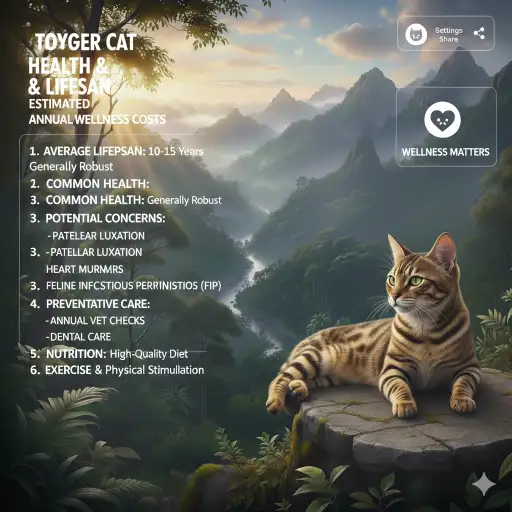
Toygers are often described as “miniature tigers,” but when it comes to lifespan, they are very much like other healthy domestic cats. On average, a Toyger can live between 12 and 16 years. Many indoor Toygers reach their mid-teens, and some live even longer with excellent care. Like all cats, lifespan is not fixed. It depends on genetics, lifestyle, preventive care, and early health monitoring.
Indoor Toygers usually live longer than outdoor ones. Living inside protects them from traffic, predators, harsh weather, and contagious diseases. Because Toygers are active and curious, outdoor access can increase risk if not supervised. Many owners choose secure indoor enrichment or enclosed outdoor patios to balance safety and stimulation.
Toygers are a relatively modern breed developed by crossing domestic shorthairs with Bengal-type cats to create a tiger-like pattern. Responsible breeding programs have worked to maintain good genetic health. In general, Toygers are considered a healthy breed. Still, no cat breed is completely free from health risks, and general feline conditions can still affect them.
It is also important to remember that lifespan numbers are averages, not guarantees. Two Toygers from the same litter can have different health paths. Early vet visits, weight management, dental care, and a low-stress home environment all play a major role in how long a Toyger lives.
Here is a quick comparison to help clarify lifespan expectations:
| Living Environment | Average Lifespan | Why It Differs |
|---|---|---|
| Indoor Toyger | 14–16+ years | Protected from accidents, disease exposure, and predators |
| Indoor/Outdoor Toyger | 12–15 years | Some environmental risk but still monitored |
| Primarily Outdoor Toyger | 8–12 years | Higher risk of injury, infection, and stress |
Common Toyger Health Issues (What Owners Should Know)
Toygers are generally strong and healthy cats. They are not known for extreme breed-specific disorders. However, like all cats, they can develop common feline health conditions. Understanding these issues does not mean expecting them. It simply helps owners recognize patterns early and support long-term wellness.
One condition sometimes discussed in Toygers is hypertrophic cardiomyopathy (HCM), a heart condition seen in many cat breeds. It is not exclusive to Toygers. Responsible breeders often screen for heart health to reduce risk. Regular vet checkups help monitor heart function, especially as cats age.
Dental disease is one of the most common problems in all cats, including Toygers. Plaque buildup can lead to gum disease, tooth pain, and even systemic health concerns if left unmanaged. Because dental problems develop slowly, many owners do not notice early signs. Routine dental checks are a simple but powerful preventive step.
Obesity is another common issue. Toygers are active, intelligent cats, but they can gain weight if overfed or under-stimulated. Extra weight increases strain on joints and organs and can raise the risk of diabetes or urinary issues. Weight control is one of the strongest predictors of long-term health.
Kidney disease, urinary tract issues, and diabetes are not Toyger-specific but can appear in middle-aged or senior cats. These conditions often develop gradually. Early detection through routine bloodwork and urine testing makes a significant difference in management and comfort.
The table below offers a simple overview:
| Condition | Breed-Specific or Common? | Typical Life Stage | Why Early Detection Matters |
|---|---|---|---|
| Hypertrophic Cardiomyopathy (HCM) | Seen in many breeds | Adult to senior | Monitoring helps manage progression |
| Dental Disease | Very common in all cats | Adult onward | Prevents pain and systemic issues |
| Obesity | Common in indoor cats | Any age | Reduces risk of diabetes and joint strain |
| Kidney Disease | Common in senior cats | Senior | Early care improves comfort |
| Urinary Tract Issues | Common in cats | Adult onward | Prevents blockages and complications |
| Diabetes | Increasing in overweight cats | Middle-aged onward | Early management improves quality of life |
What Affects a Toyger’s Lifespan?
A Toyger’s lifespan is influenced more by daily care than by breed alone. Genetics matter, but environment and routine health habits are often stronger factors.
Nutrition is one of the biggest influences. Feeding balanced, portion-controlled meals helps prevent obesity and supports organ health. Sudden diet changes or overfeeding treats can lead to weight gain over time. Clean water access is equally important, especially for urinary and kidney health.
Activity and mental stimulation are also key. Toygers are intelligent and playful. They benefit from climbing spaces, interactive toys, and regular play sessions. Boredom can lead to overeating or stress behaviors. A stimulated Toyger is often a healthier Toyger.
Routine veterinary care has a direct impact on lifespan. Annual or semiannual wellness exams allow early detection of subtle changes. Blood tests, dental checks, and weight tracking create a long-term health record. Early detection often means simpler management.
Stress levels also affect health. Cats are sensitive to changes in routine, noise, or household tension. Providing safe resting spaces and predictable feeding times helps reduce stress-related issues. Spaying or neutering, when appropriate, is also associated with longer average lifespans in domestic cats.
Preventive Care & Early Warning Signs Owners Should Never Ignore
Preventive care focuses on staying ahead of illness instead of reacting late. Many serious conditions start with small, easy-to-miss signs. Paying attention to daily habits can make a meaningful difference.
A sudden drop in appetite is often one of the earliest signs that something is wrong. Even a normally playful Toyger may become quiet or withdrawn if feeling unwell. Changes in litter box habits are also important. Straining, urinating more often, or avoiding the litter box can signal discomfort.
Weight changes matter, even if small. Gradual weight loss in older cats can indicate underlying issues. Rapid weight gain may increase long-term health risk. Increased thirst or urination should also be noted, especially in middle-aged or senior cats.
Poor grooming, dull coat texture, or reduced activity are subtle warning signs. Cats hide discomfort well. If behavior shifts without a clear reason, it is wise to consult a veterinarian for guidance.
This quick-reference table may help:
| Symptom | Monitor or Call? | Why It Matters |
|---|---|---|
| Skipped one meal but normal next day | Monitor | Occasional change can happen |
| No eating for 24 hours | Call | Cats should not fast long |
| Mild decrease in activity | Monitor closely | Could be stress or early illness |
| Sudden lethargy | Call | May signal urgent issue |
| Straining in litter box | Call | Possible urinary blockage |
| Increased thirst over days | Call | May relate to kidney or metabolic concerns |
| Slight weight fluctuation | Monitor | Track trends over time |
| Rapid weight loss | Call | Needs evaluation |
Toyger Senior Years: Aging Changes & Quality of Life
Toygers are usually considered senior around 10 to 12 years of age. Aging is not a disease. Many Toygers remain playful and alert well into their teens. However, physical changes do occur over time.
Older Toygers may sleep more and move a bit slower. Jumping to high surfaces may become harder. Joint stiffness can develop gradually. Providing lower resting spots or steps can improve comfort. Appetite may also shift slightly with age.
Senior cats may groom less thoroughly, leading to minor coat changes. Some may experience mild cognitive changes, such as altered sleep patterns or confusion at night. Regular veterinary checkups become even more important during these years.
Quality of life focuses on comfort, mobility, appetite, and engagement. Small adjustments in environment can help senior Toygers stay active and happy. Monitoring weight, hydration, and behavior closely allows early response to age-related changes.
With thoughtful care, many Toygers enjoy long, comfortable senior years. Their strong bond with owners often deepens during this stage of life.
For additional guidance on general feline wellness standards, you can visit the American Veterinary Medical Association at https://www.avma.org/resources-tools/pet-owners/petcare/cat-health

Ata Ur Rehman is the founder of Pet Age in Human Years Calculator, an educational platform that provides age conversion charts and lifespan guides for dogs, cats, birds, and other companion animals. His work focuses on helping pet owners understand how animal ages translate into human years using commonly accepted age conversion formulas and published lifespan averages.
The website compiles breed and species lifespan data from kennel clubs, breed organizations, and general animal lifespan studies to present simple and easy-to-understand guides for pet owners worldwide.
This website was created to centralize animal age conversion charts into one easy reference platform for pet owners.