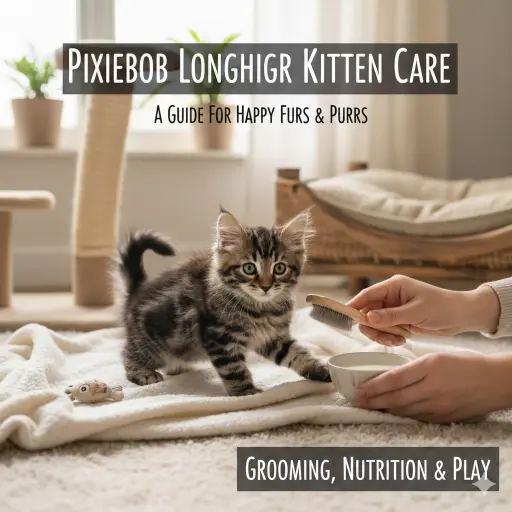
Bringing a Pixiebob longhair kitten into your home is an exciting experience. These kittens are known for their playful, friendly, and dog-like personalities. They enjoy interacting with people and other pets, making them a great choice for families or individuals who want a social companion. Before your kitten arrives, it is important to know what to expect in terms of their behavior, daily needs, and growth. Understanding these basics will help you feel confident and prepared as a new owner.
Pixiebob kittens are energetic and curious. They explore their environment constantly, and they love to play with toys and climb on safe furniture. This breed has a long, dense coat that requires regular grooming, and they are known for their affectionate nature. While they are easygoing and adaptable, Pixiebobs need consistent routines to feel secure. Being aware of their social, physical, and emotional needs is the first step in providing a happy and healthy home.
These kittens also develop quickly in the first few months of life. Their energy, appetite, and curiosity increase rapidly as they grow. By the time they are three to four months old, most Pixiebobs are already confident in their surroundings and start learning more complex behaviors, such as using the litter box consistently or interacting safely with other pets. Owners who understand these developmental milestones can provide better support and guidance during each stage.
Finally, new owners should be aware that every kitten is unique. While Pixiebobs share general breed traits, individual personalities can vary. Some may be very active and adventurous, while others might prefer quiet exploration. Being patient and observant will help you understand your kitten’s personality and adapt your care accordingly. A well-prepared environment, attention to daily routines, and gentle socialization will set the foundation for a happy, confident kitten.
Feeding & Nutrition for Pixiebob Longhair Kittens
Proper feeding is essential for the growth and development of your Pixiebob kitten. Kittens have small stomachs, but they need frequent meals to get all the nutrients necessary for strong bones, healthy muscles, and a shiny coat. Feeding too much at once or providing adult cat food too early can cause digestive problems. Feeding too little may affect growth and energy levels. Establishing a consistent feeding routine will help your kitten stay healthy and happy.
Most kittens start with their mother’s milk or a milk replacement formula if the mother is not available. From around four weeks, they can start transitioning to soft, wet kitten food. By eight weeks, most Pixiebobs are ready for solid kitten food, either wet, dry, or a combination. Offering high-quality food formulated specifically for kittens ensures they get the right balance of protein, fats, and essential vitamins. Always provide fresh water alongside meals.
Kittens should be fed small amounts multiple times a day. Young kittens (8–12 weeks) usually eat 4–5 small meals, while older kittens (3–6 months) can transition to 3–4 meals daily. This frequent feeding supports steady energy levels and healthy growth. Be patient during mealtime, as kittens may take time to adjust to new foods or feeding methods. Avoid sudden diet changes, as this can upset their stomach.
A feeding schedule table can make things much easier for beginners. Here’s a simple guide for Pixiebob longhair kittens:
| Age | Meals per Day | Type of Food | Notes |
|---|---|---|---|
| 0–4 weeks | Every 2–3 hours | Mother’s milk or kitten formula | Bottle feed if needed |
| 4–8 weeks | 4–5 meals | Wet kitten food, soft mixed food | Gradually introduce dry food |
| 8–12 weeks | 4 meals | Wet & dry kitten food | Ensure high-protein diet |
| 3–6 months | 3–4 meals | Wet & dry kitten food | Monitor growth & adjust portions |
| 6–12 months | 2–3 meals | Wet & dry kitten food | Begin gradual transition to adult food |
By following this schedule, you can maintain healthy growth, prevent digestive issues, and establish a consistent routine. Remember to observe your kitten’s appetite and adjust portions as needed. Feeding is not just about nutrition; it is also an opportunity to bond and build trust.
Grooming, Hygiene & Developmental Needs
Pixiebob longhair kittens require regular grooming because their fur can mat easily if neglected. Brushing your kitten several times a week helps prevent tangles and reduces hairballs. Start grooming sessions slowly and gently to get your kitten comfortable with the process. Using a soft-bristle brush or grooming comb designed for kittens will make the experience more enjoyable and safe. Positive reinforcement, like small treats or gentle praise, helps kittens associate grooming with good experiences.
Bathing is usually not necessary unless your kitten gets very dirty or has a skin condition, but occasional baths with kitten-safe shampoo can be done. Keep the bathing sessions short, warm, and calm. Dry the kitten thoroughly afterward, as Pixiebobs are sensitive to cold. Nail trimming is another important part of hygiene. Trim only the tips, and avoid the quick, which is the pink area inside the nail that contains blood vessels. Regular nail care prevents scratching injuries and keeps your home safe.
Litter training is an essential skill for all kittens. Most Pixiebobs learn quickly if you provide a clean, accessible litter box in a quiet area. Use unscented, clumping litter and show your kitten where the box is. After meals, encourage your kitten to use the litter box. Avoid punishment for accidents. Instead, gently place them in the litter box and praise successful attempts. Consistency and patience are key to forming good habits.
Pixiebob kittens also grow and develop rapidly in the first few months. They need plenty of playtime to develop coordination, strength, and social skills. Typical play includes chasing toys, pouncing, and exploring safe climbing areas. Sleep is equally important; kittens spend most of their day napping to support growth. Keeping a balanced schedule of play, feeding, grooming, and rest ensures healthy physical and emotional development.
Here’s a simple grooming and developmental checklist table:
| Task | Frequency | Notes |
|---|---|---|
| Brushing | 3–5 times per week | Focus on long hair and tangles |
| Nail trimming | Every 2–3 weeks | Use kitten nail clippers |
| Litter box cleaning | Daily | Keep litter fresh and accessible |
| Play sessions | 2–4 times daily | Short, interactive sessions |
| Sleep | 16–20 hours per day | Provide cozy, quiet spaces |
Safety, Socialization & Home Environment
Keeping your Pixiebob kitten safe is essential, especially during their first few months. Kitten-proof your home by securing cords, small objects, toxic plants, and any chemicals. Ensure windows and balconies are secure to prevent falls. Provide safe climbing structures, scratching posts, and soft bedding areas. A safe environment reduces stress and encourages exploration, which is critical for development.
Socialization is also very important. Pixiebob kittens are naturally friendly, but early exposure to gentle handling, different people, and other pets helps them grow into confident, well-adjusted adults. Encourage gentle interaction and avoid rough play, especially with hands or feet. Redirect biting or scratching to toys. Socialization should be positive and gradual, allowing the kitten to explore at its own pace.
Playtime is not only fun but also a learning tool. Use interactive toys to mimic hunting behaviors, such as wand toys or soft balls. This helps satisfy natural instincts and strengthens your bond. Avoid leaving small toys unattended that your kitten could swallow. Structured play helps prevent destructive behavior and encourages healthy energy release.
Providing a consistent, safe, and stimulating environment supports emotional and physical health. Make sure the kitten has quiet spaces to retreat to when overwhelmed. Multi-pet households require gradual introductions, with supervision and positive reinforcement. Always observe your kitten’s reactions and adjust your approach to ensure they feel secure and loved.
Common Questions & Troubleshooting (FAQs)
Many first-time Pixiebob kitten owners have similar questions and concerns. Addressing these early can reduce anxiety and help create a smooth transition into your home.
How much should I feed my Pixiebob kitten?
Follow the feeding table above and adjust according to appetite and growth. Healthy kittens should be energetic with steady weight gain.
When should I start grooming my kitten?
Begin grooming as early as 6–8 weeks to help your kitten get comfortable with brushing, nail trimming, and gentle handling.
Why is my kitten biting or scratching?
Play biting and scratching are normal behaviors. Redirect to toys and praise gentle interactions. Avoid punishing the kitten.
Can I leave my Pixiebob kitten alone for a few hours?
Yes, but kittens under 3 months need supervision. Make sure food, water, and safe areas are available. Gradually increase alone time to build independence.
How do I introduce my kitten to other pets?
Introduce slowly and carefully. Keep initial interactions short and positive. Monitor body language and separate if any pet shows stress.
How do I know if something is wrong with my kitten?
Normal behavior includes play, exploration, eating, and grooming. Signs of concern include lethargy, persistent vomiting, diarrhea, or refusal to eat. Contact a veterinarian for guidance without panic.
What should I include in a daily routine?
A balanced day includes meals, short play sessions, grooming, and rest. Predictable routines help your kitten feel secure.
When should I schedule vet visits?
First vet visit should be within the first few days of bringing your kitten home. Follow-ups for general health checks and preventive care are essential.
How often should I clean the litter box?
Daily scooping is best, with a full litter change at least once a week. A clean litter box encourages consistent use.
What’s normal Pixiebob behavior?
Curiosity, gentle playfulness, and affectionate interactions are normal. Some kittens may be shy initially but usually adjust within weeks.
For further tips on raising a happy, healthy Pixiebob kitten, you can visit The International Cat Association’s Pixiebob Breed Page for additional breed-specific guidance.

Ata Ur Rehman is the founder of Pet Age in Human Years Calculator, an educational platform that provides age conversion charts and lifespan guides for dogs, cats, birds, and other companion animals. His work focuses on helping pet owners understand how animal ages translate into human years using commonly accepted age conversion formulas and published lifespan averages.
The website compiles breed and species lifespan data from kennel clubs, breed organizations, and general animal lifespan studies to present simple and easy-to-understand guides for pet owners worldwide.
This website was created to centralize animal age conversion charts into one easy reference platform for pet owners.