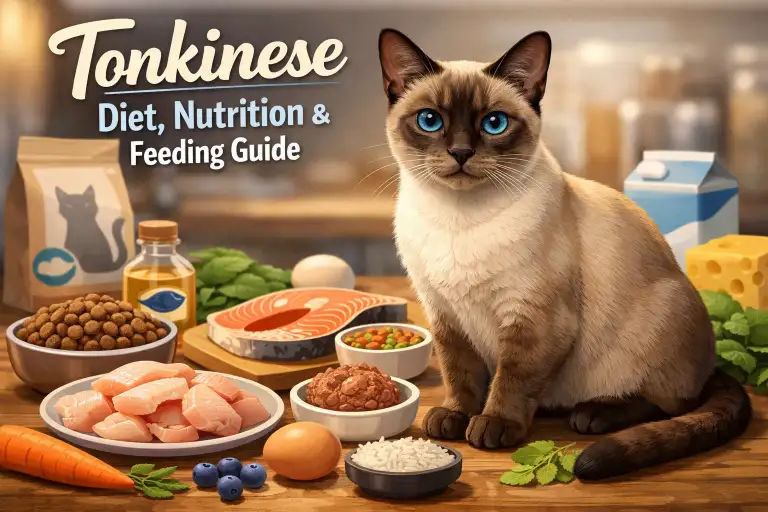
Tonkinese cats are known for their energetic personalities, lean muscular build, and glossy coat. Proper nutrition is essential to support their active lifestyle, maintain healthy body weight, and promote long-term well-being. Unlike some other cat breeds, Tonkinese cats can burn calories quickly, which makes it important to provide a balanced diet that meets their energy needs without overfeeding.
A well-planned diet helps support several key aspects of your Tonkinese’s health:
- Muscle and energy: High-quality protein fuels their active muscles and playful behavior.
- Coat and skin health: Adequate fats, especially omega fatty acids, keep their short, silky coat shiny and skin healthy.
- Urinary and kidney health: Sufficient moisture from wet food or water helps reduce the risk of urinary issues, which cats are prone to.
- Weight management: Balanced portions prevent underfeeding or excess weight gain, both of which can affect overall health and mobility.
Providing the right diet for your Tonkinese also lays the foundation for a long, healthy life. While this guide focuses on practical feeding advice, it’s important to remember that individual cats may have unique needs. Regular veterinary check-ups are recommended to ensure your cat is thriving.
Essential Nutrients for Tonkinese Cats
Tonkinese cats need a diet that gives them all the nutrients their bodies cannot make on their own. These nutrients help them grow, stay active, keep their coat shiny, and prevent health problems. Here are the main nutrients your Tonkinese needs:
Protein & Taurine
- Protein is the most important nutrient for Tonkinese cats. It builds strong muscles and keeps their bodies working well.
- Taurine is an essential amino acid found in meat that helps their heart, eyes, and overall health. Cats cannot make enough taurine on their own, so it must come from their food.
Fats & Omega Fatty Acids
- Fats give energy and help keep your cat’s coat soft and shiny.
- Omega-3 and omega-6 fatty acids are good fats that support the skin, coat, and brain health.
Carbohydrates
- Cats do not need a lot of carbohydrates. Small amounts from safe sources like rice or oats can provide energy. Too many carbs can lead to weight gain.
Vitamins & Minerals
- Vitamins like A, D, and E, and minerals like calcium, phosphorus, and magnesium help with growth, bones, and overall body function.
- Most commercial cat foods are balanced for these nutrients.
Water
- Cats often drink less water than they need, so wet food or fresh water is very important.
- Proper hydration helps prevent urinary tract problems and keeps your cat healthy.
Here’s a simple table to make it easier to understand:
| Nutrient | Why It’s Important | Where to Find It | Notes for Tonkinese |
|---|---|---|---|
| Protein & Taurine | Muscle and heart health | Meat, fish, poultry | Must be high-quality animal protein |
| Fat & Omegas | Energy, coat, skin, brain | Fish oil, animal fats | Keep omega-3 and omega-6 balanced |
| Carbohydrates | Energy (small amount) | Rice, oats | Cats need very little |
| Vitamins & Minerals | Growth and metabolism | Commercial cat food | Avoid extra supplementation |
| Water | Hydration, urinary health | Wet food, fresh water | Monitor daily intake |
Choosing and Feeding Tonkinese Cats
Feeding your Tonkinese the right food is important for their health and energy. There are different types of cat food, and each has its own benefits and drawbacks. You can also adjust feeding based on your cat’s weight, age, and activity level.
Wet Food
- High in moisture, which helps your cat stay hydrated.
- Tends to be more tasty and easy to eat.
- Usually more expensive and cannot be left out for a long time.
Dry Food
- Easy to store and convenient for busy owners.
- Can help keep teeth a little cleaner.
- Low in moisture, so cats need water along with it.
Mixed Feeding
- Combines wet and dry food to give benefits from both.
- You need to make sure portions are correct so your cat does not overeat.
Here’s a simple table to compare food types:
| Food Type | Pros | Cons | Moisture % |
|---|---|---|---|
| Wet Food | Helps hydration, tasty | More expensive, short shelf life | 75–85% |
| Dry Food | Easy to store, convenient | Low moisture, can overfeed | 6–10% |
| Mixed Feeding | Balanced benefits | Needs careful portioning | N/A |
Feeding Frequency
- You can feed your cat meals or leave food out all day (free-feeding).
- Meals help you control portions and track appetite.
- Free-feeding is easier for busy owners but can lead to overeating.
Portion Guide
- The right amount depends on your cat’s weight and activity.
- Active Tonkinese cats may need a bit more food than less active ones.
Here’s a simple portion reference table:
| Tonkinese Weight | Kittens (grams/day) | Adults (grams/day) | Notes |
|---|---|---|---|
| 2–3 kg | 45–60 | 30–40 | Active cats may need more |
| 3–4 kg | 60–80 | 40–55 | Watch body condition |
| 4–5 kg | 80–100 | 55–70 | Adjust if spayed/neutered |
Life Stage and Lifestyle Considerations
Tonkinese cats have different nutrition needs at each stage of life. Their activity, metabolism, and energy requirements change as they grow older, so it’s important to adjust their diet.
Kittens
- Need more protein and calories to support growth and play.
- Feed smaller meals more often throughout the day.
- Wet food is helpful for hydration and easy digestion.
Adult Cats
- Require a balanced diet to maintain weight and muscle.
- Portion sizes depend on activity level. Active cats may need more calories.
- Mixed feeding works well to give both nutrients and moisture.
Senior Cats
- Need fewer calories but nutrient-rich foods to support joints and organ health.
- Wet food can help with hydration and easier eating if teeth are sensitive.
- Monitor weight regularly to prevent underfeeding or obesity.
Indoor and Spayed/Neutered Cats
- Tend to have lower energy needs, so adjust portions to prevent weight gain.
- Encourage play and activity to keep muscles strong.
Multi-Cat Households
- Feed cats separately if possible to prevent overeating or food guarding.
- Monitor each cat’s weight and adjust portions as needed.
Here’s a table to summarize feeding needs by life stage:
| Life Stage | Calorie Focus | Protein | Fat | Notes |
|---|---|---|---|---|
| Kitten | High | High | Moderate | Supports growth and play |
| Adult | Moderate | Moderate | Moderate | Maintains lean muscle |
| Senior | Low-moderate | Moderate | Low | Supports joints and organ health |
Common Feeding Mistakes and Safe Practices
Feeding your Tonkinese cat the right way is important to keep them healthy. Many owners make small mistakes that can cause weight gain, digestive problems, or poor coat health. Here are the most common mistakes and tips to avoid them.
Overfeeding and Underfeeding
- Giving too much food can make your cat gain weight and become less active.
- Giving too little food can cause your cat to lose muscle and feel weak.
- Check your cat’s body weight and adjust portions as needed.
Treats and Human Food
- Treats should only be a small part of the diet.
- Some human foods are dangerous for cats, such as onions, garlic, chocolate, and alcohol.
- Stick to safe cat treats and limit extra snacks.
Hydration and Urinary Health
- Make sure your cat always has fresh water.
- Wet food can help keep your Tonkinese hydrated.
- Signs of dehydration include lethargy, dry gums, and less frequent urination.
Monitoring Health
- Watch for changes in appetite, coat, or weight.
- Regular vet check-ups help catch problems early.
Here’s a simple table of safe practices and warning signs:
| Do | Don’t | Warning Signs |
|---|---|---|
| Feed high-quality protein | Overfeed dry food | Sudden weight gain or loss |
| Give fresh water daily | Give onions, garlic, chocolate | Vomiting, lethargy, poor coat |
| Use treats sparingly | Feed too many human snacks | Excessive thirst or urination |
| Monitor life stage needs | Ignore portion control | Weakness, loss of muscle, low energy |
At the end of your article, you could include a helpful resource like this:
For guidance on how cat food meets official nutrition standards, you can learn more about how the Association of American Feed Control Officials (AAFCO) sets nutrient profiles and what “complete and balanced” really means on pet food labels at the FDA’s consumer information page on complete and balanced pet food.

Ata Ur Rehman is the founder of Pet Age in Human Years Calculator, an educational platform that provides age conversion charts and lifespan guides for dogs, cats, birds, and other companion animals. His work focuses on helping pet owners understand how animal ages translate into human years using commonly accepted age conversion formulas and published lifespan averages.
The website compiles breed and species lifespan data from kennel clubs, breed organizations, and general animal lifespan studies to present simple and easy-to-understand guides for pet owners worldwide.
This website was created to centralize animal age conversion charts into one easy reference platform for pet owners.