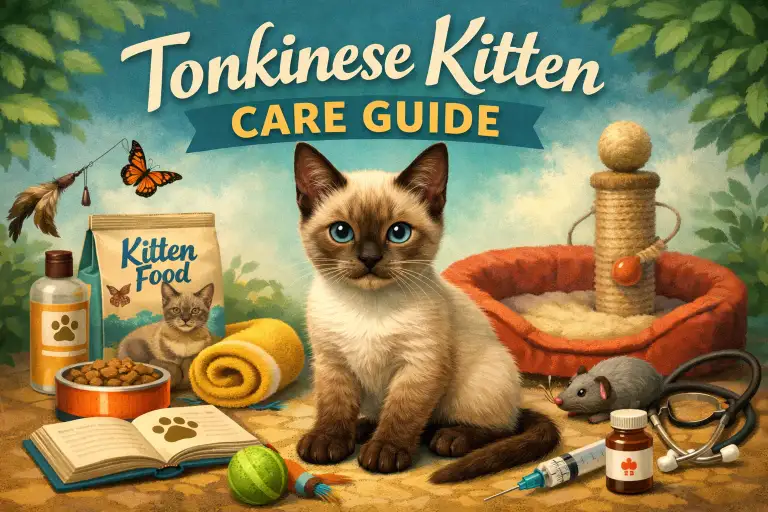
Bringing home a Tonkinese kitten is an exciting and rewarding experience. Tonkinese cats are known for their playful energy, affectionate nature, and curiosity, making them wonderful companions for both first-time and experienced cat owners. Understanding what to expect in the first weeks and months will help you provide a safe, nurturing environment that supports your kitten’s growth and development.
Tonkinese kittens are social and interactive, often seeking attention and play throughout the day. They adapt well to new people and other pets, but early socialization and gentle handling are essential to encourage confidence and good behavior. Like all kittens, they have distinct daily needs including nutrition, play, sleep, and mental stimulation.
Here’s a quick snapshot of Tonkinese kitten traits to help you understand their personality and what to expect:
| Trait | Description | Notes for New Owners |
|---|---|---|
| Energy | High, playful | Needs daily interactive play to stay happy and healthy |
| Social | Affectionate, people-oriented | Benefits from early handling and positive interactions |
| Vocalization | Moderate to high | Gentle training helps, but expect some chatter |
| Curiosity | Strong | Supervise exploration to keep them safe |
| Independence | Balanced | Enjoys attention but also tolerates short periods alone |
By keeping these traits in mind, you can plan your home environment, daily routines, and interactions to meet your Tonkinese kitten’s needs while building a strong bond that lasts a lifetime.
Preparing Your Home & Ensuring Safety
Before bringing your Tonkinese kitten home, it’s important to make your house safe and ready. Kittens are curious and fast, so small dangers can become big problems if you’re not prepared. Setting up your home carefully helps your kitten explore safely and feel comfortable.
Start by picking a safe, quiet space for your kitten to sleep, eat, and use the litter box. Make sure the area is warm and cozy. Place toys, scratching posts, and bedding nearby to help your kitten feel secure.
Check your home for common hazards. Kittens love to explore and can get into small spaces, chew cords, or knock over objects. Keeping dangerous items out of reach is key.
Here’s a simple checklist to make your home safe for your Tonkinese kitten:
| Area / Item | Safety Tip | Action Needed |
|---|---|---|
| Electrical cords | Kittens may chew cords | Cover them or use cord protectors |
| Windows | Risk of falls | Make sure screens are secure or keep windows closed |
| Toxic plants | Many houseplants are dangerous | Remove or place out of reach |
| Small objects | Choking hazard | Keep small items, like rubber bands or coins, away |
| Cleaning supplies | Harmful if licked | Store in locked cabinets |
| Other pets | Introductions need care | Supervise first meetings and provide separate spaces if needed |
Also, gather the basic supplies your kitten will need: litter box, food and water bowls, scratching posts, toys, and a soft bed. This makes your kitten feel at home right away.
By preparing your home carefully and keeping dangers out of reach, you give your Tonkinese kitten a safe, happy start.
Feeding, Nutrition & Bathroom Habits
Feeding your Tonkinese kitten the right food at the right time is very important. Kittens grow fast and need good nutrition to stay healthy and strong. They also need help learning where and how to use the litter box.
Start with age-appropriate food. Young kittens drink mother’s milk or formula. As they grow, you can slowly give wet or dry kitten food. Make sure your kitten always has fresh water.
Kittens eat small meals many times a day. Here is a simple feeding schedule you can follow:
| Age | Food Type | How Often | Notes |
|---|---|---|---|
| 0–4 weeks | Mother’s milk or kitten formula | Every 2–3 hours | Use kitten formula if mother is not available |
| 4–8 weeks | Wet food + formula | 4–5 times/day | Gradually introduce solid food |
| 8–12 weeks | Wet + dry kitten food | 3–4 times/day | Ensure kitten drinks water |
| 3–6 months | Wet + dry kitten food | 3 times/day | Monitor weight and appetite |
Kittens also need to learn how to use the litter box. Start by placing the box in a quiet, easy-to-reach spot. Show your kitten the box after meals or naps. Keep it clean so your kitten wants to use it every time.
Here is a quick guide to litter training:
| Step | What to Do | Tips |
|---|---|---|
| 1 | Pick a small, low-sided litter box | Makes it easy for kittens to climb in |
| 2 | Place it in a quiet spot | Away from noisy areas |
| 3 | Show the kitten the box | Gently place them in after meals and naps |
| 4 | Keep it clean | Scoop daily and change litter weekly |
With the right food and a clean litter box, your Tonkinese kitten will grow healthy, happy, and confident.
Play, Socialization & Daily Routines
Tonkinese kittens are full of energy and love to play. Playtime helps them grow strong, learn new skills, and bond with you. Kittens also need sleep, social interaction, and gentle handling to become confident and happy cats.
Kittens sleep a lot, often taking several naps during the day. Between naps, they like to explore, climb, and chase toys. Tonkinese kittens especially enjoy interactive play like wand toys, balls, and gentle games that let them practice hunting instincts.
Handling your kitten gently from a young age helps them feel safe with people. Encourage cuddles, petting, and gentle holding, but respect signs that your kitten needs a break. Early socialization with people and other pets helps them grow into friendly, well-adjusted cats.
Here’s a simple daily routine you can follow with your Tonkinese kitten:
| Time | Activity | Notes |
|---|---|---|
| Morning | Feeding | Wet food + water |
| Mid-morning | Play / Exercise | Interactive toys and climbing |
| Late morning | Nap | Quiet, cozy spot |
| Afternoon | Socialization | Gentle handling and meeting new people |
| Evening | Play & Bonding | Short, fun sessions with toys |
| Night | Sleep | Quiet, safe bed |
Following a daily routine helps your kitten feel secure and gives them the right balance of play, rest, and bonding time.
Grooming, Health & Owner Tips
Taking care of your Tonkinese kitten’s grooming and health is important to keep them happy and strong. Tonkinese cats have short coats, so grooming is simple but still needed. Regular grooming, basic health checks, and first vet visits help your kitten grow up healthy.
Brushing your kitten a few times a week keeps their coat shiny and reduces shedding. Trim their nails carefully every 1–2 weeks. Check their ears for dirt or wax and wipe gently if needed. You can introduce tooth brushing slowly using a soft kitten toothbrush.
Regular vet visits are important to check your kitten’s growth and overall health. The first vet visit usually happens around 6–8 weeks. Your vet can give advice about spaying or neutering, general care, and signs of a healthy kitten.
Here’s a simple grooming and health checklist for your Tonkinese kitten:
| Task | How Often | Notes |
|---|---|---|
| Brushing | 2–3 times/week | Short coat, helps reduce shedding |
| Nail trimming | Every 1–2 weeks | Use kitten nail clippers, be gentle |
| Ear cleaning | Weekly check | Wipe with soft cloth, watch for wax buildup |
| Dental care | Introduce early | Soft kitten toothbrush, treats optional |
| Vet visits | First visit: 6–8 weeks | Discuss spay/neuter and overall health |
Remember, Tonkinese kittens may have playful accidents or small scratches. This is normal and part of learning. Be patient and gentle, and give lots of love and attention. With regular grooming, vet visits, and care, your kitten will grow into a healthy, happy, and confident cat.
For more breed‑specific care tips and trusted health information about Tonkinese cats, you can visit the PetMD Tonkinese cat care page.

Ata Ur Rehman is the founder of Pet Age in Human Years Calculator, an educational platform that provides age conversion charts and lifespan guides for dogs, cats, birds, and other companion animals. His work focuses on helping pet owners understand how animal ages translate into human years using commonly accepted age conversion formulas and published lifespan averages.
The website compiles breed and species lifespan data from kennel clubs, breed organizations, and general animal lifespan studies to present simple and easy-to-understand guides for pet owners worldwide.
This website was created to centralize animal age conversion charts into one easy reference platform for pet owners.