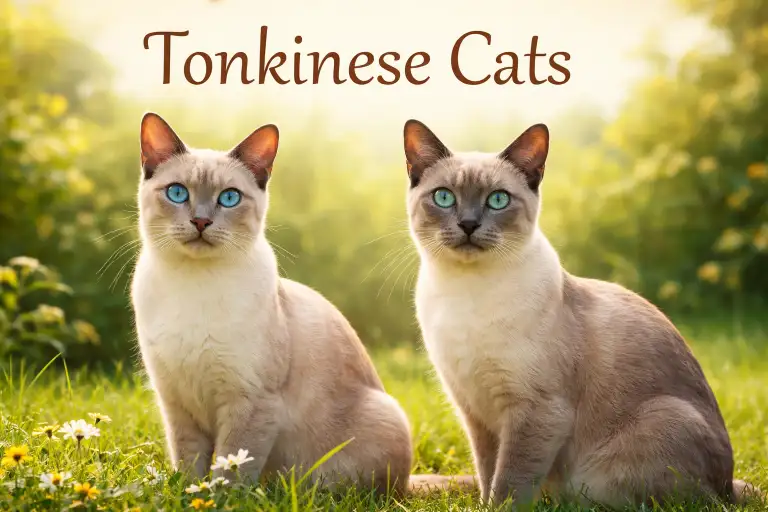
Tonkinese cats are known for their short, silky coat, playful personality, and social nature. While their coat is relatively low-maintenance compared to long-haired breeds, understanding their grooming needs is key to keeping them healthy, comfortable, and stress-free during grooming sessions.
Coat Characteristics and Maintenance
Tonkinese cats have a single, short coat that lies close to the body, making mats and tangles uncommon. Their coat shines naturally with regular gentle brushing, and they generally shed moderately, with occasional seasonal increases.
Behavioral Traits Affecting Grooming
Tonkinese cats are highly social and intelligent, which usually makes grooming easier if approached with calm, positive handling. However, their playful energy can sometimes make them squirm or distract easily during grooming, so short, frequent sessions are ideal.
Indoor vs Outdoor Grooming Considerations
- Indoor Tonkinese: Shed less and accumulate less dirt, so brushing 1–2 times per week is usually enough.
- Outdoor Tonkinese: May pick up debris, minor tangles, or extra shedding, requiring slightly more attention during grooming sessions.
Tonkinese Coat & Grooming Needs Table
| Coat Type | Shedding Level | Grooming Challenge | Notes |
|---|---|---|---|
| Short & silky | Low | Rare tangles | Easy to maintain; regular brushing keeps coat shiny |
| Indoor | Low | Low | Less dirt; fewer hairballs |
| Outdoor | Moderate | Moderate | May need extra brushing during shedding season |
This table gives a quick overview of what to expect and how to adjust grooming based on your Tonkinese cat’s lifestyle and coat type.
Brushing, Bathing, and Coat Care
Even though Tonkinese cats have short hair, brushing is still important. It keeps their coat shiny, reduces shedding, and helps you check their skin for any problems.
Brushing Tips
- Use a soft-bristled brush or a grooming mitt.
- Brush in the direction of the fur, not against it.
- Be gentle, especially around sensitive areas like the belly or tail.
- Brushing a little every few days is better than a long session once in a while.
Bathing Tips
- Tonkinese cats rarely need baths.
- Only bathe if your cat is very dirty or has fleas.
- Use cat-safe shampoo and lukewarm water.
- If your cat hates water, try waterless shampoos or wipes instead.
Checking the Coat
- Look for small mats or tangles, even though they are rare.
- Feel for lumps, bumps, or skin irritation while brushing.
Brushing and bathing can be easy if you take your time and stay calm. Reward your cat with treats or gentle petting to make grooming a positive experience.
Brushing & Bathing Frequency Table
| Task | Kittens | Adults | Seniors | Notes |
|---|---|---|---|---|
| Brushing | 2–3 times/week | 2 times/week | 1–2 times/week | Short coat; gentle strokes |
| Bathing | Rarely | Rarely | Rarely | Only if dirty or flea treatment needed |
| Coat check | Weekly | Weekly | Weekly | Look for mats or skin irritation |
Nail, Ear, Eye, and Dental Care
Grooming is not just about brushing. Tonkinese cats also need care for their nails, ears, eyes, and teeth. Doing these checks regularly helps keep your cat healthy and comfortable.
Nail Care
- Trim your cat’s nails every 2–4 weeks.
- Only cut the sharp tip and avoid the quick (the pink part inside the nail).
- Use cat nail clippers and trim a little at a time if your cat is nervous.
Ear Care
- Check ears once a month.
- Use a soft cloth or cat-safe wipe to clean dirt or wax.
- Never insert anything deep into the ear.
Eye Care
- Wipe any tears or dirt gently with a soft, damp cloth.
- Watch for redness or unusual discharge.
Dental Care
- Brush teeth 2–3 times a week using a cat toothbrush and toothpaste.
- Dental treats or chews can help reduce plaque.
- Start slowly if your cat is not used to brushing.
Routine Health Checks Table
| Task | Frequency | Tools/Products | Tips |
|---|---|---|---|
| Nail trimming | Every 2–4 weeks | Cat nail clippers | Trim small amounts to avoid quick |
| Ear cleaning | Monthly | Cat-safe wipes/solution | Gently remove debris; stop if red or inflamed |
| Eye care | As needed | Soft cloth | Wipe tear stains; watch for discharge |
| Dental care | 2–3 times/week | Cat toothbrush & toothpaste | Start slow; reward your cat |
Handling, Stress Signals, and Common Mistakes
Grooming is easier when you understand your Tonkinese cat’s body language. Cats show signs of stress, and knowing them helps keep grooming safe and calm.
Handling Tips
- Keep your voice calm and gentle.
- Let your cat move or take breaks if needed.
- Use treats or petting as a reward for good behavior.
Stress Signals to Watch
- Flattened ears mean fear.
- Swishing tail shows annoyance.
- Hissing or growling means your cat is very stressed.
- Struggling or pulling away shows discomfort.
Common Grooming Mistakes
- Brushing too hard or too long.
- Ignoring nails, ears, eyes, or teeth.
- Using unsafe tools or products.
- Forcing your cat to stay during grooming.
Stress Signals & Responses Table
| Signal | Meaning | How to Respond |
|---|---|---|
| Flattened ears | Fear | Pause, speak softly |
| Swishing tail | Annoyance | Slow down, give a short break |
| Hissing or growling | High stress | Stop and try later |
| Struggling/pulling away | Discomfort | Shorten session, use treats |
Grooming Routine and Expert Guidance
Having a routine makes grooming easier for both you and your Tonkinese cat. Regular care helps keep their coat shiny, nails safe, ears clean, and teeth healthy.
Weekly and Monthly Tasks
- Brushing: 1–3 times per week depending on age and activity
- Nail trimming: every 2–4 weeks
- Ear and eye checks: weekly or as needed
- Dental care: 2–3 times per week
Special Situations
- Kittens: start grooming early with short, gentle sessions
- Senior cats: be extra gentle with fragile skin and stiff joints
- Nervous or sensitive cats: go slowly, reward often, and split grooming into short sessions
When to Use a Professional Groomer or Vet
- If your cat resists grooming despite gentle handling
- If you see mats you cannot remove safely
- For dental cleanings that need more than home care
- If you notice skin problems, ear infections, or unusual behavior
Sample Tonkinese Grooming Routine Table
| Task | Daily | Weekly | Monthly | Notes |
|---|---|---|---|---|
| Brushing | – | ✓ | – | Short coat; gentle strokes |
| Nail trimming | – | – | ✓ | More often for active cats |
| Ear/eye check | – | ✓ | – | Clean as needed |
| Dental care | – | ✓ | – | Brush or provide chews |
| Bathing | – | – | – | Only when necessary |
This table makes it easy to see what to do and when, helping you build a stress-free grooming routine for your Tonkinese cat.
For more detailed care and breed‑specific grooming tips for Tonkinese cats, you can also visit the Tonkinese breed health and care guide on PetMD, which covers coat characteristics and grooming recommendations from veterinary experts. Tonkinese Cat Breed Health and Care Guide – PetMD

Ata Ur Rehman is the founder of Pet Age in Human Years Calculator, an educational platform that provides age conversion charts and lifespan guides for dogs, cats, birds, and other companion animals. His work focuses on helping pet owners understand how animal ages translate into human years using commonly accepted age conversion formulas and published lifespan averages.
The website compiles breed and species lifespan data from kennel clubs, breed organizations, and general animal lifespan studies to present simple and easy-to-understand guides for pet owners worldwide.
This website was created to centralize animal age conversion charts into one easy reference platform for pet owners.