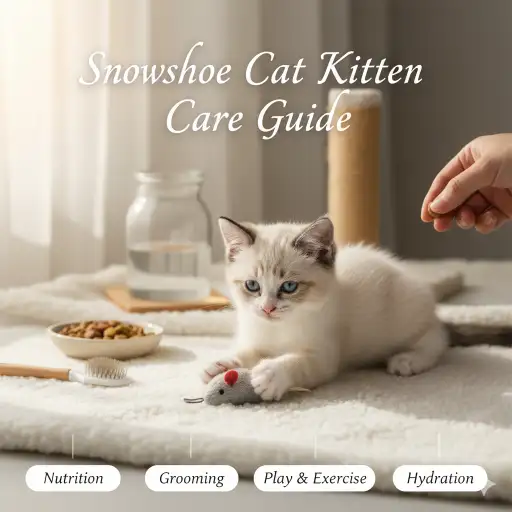
Snowshoe kittens are sweet, curious, and playful pets that many people fall in love with very quickly. They are known for their friendly personalities and their striking white markings paired with darker points on their ears, face, legs, and tail. Most Snowshoe kittens are social and enjoy being around people and other pets. When you bring a Snowshoe kitten home, you can expect lots of energy mixed with a gentle, affectionate nature. These kittens are usually confident but still need time to adjust to a new home, new people, and new routines.
When a Snowshoe kitten first comes home, you may notice they explore every corner of their space. This is normal behavior as they are learning their new environment. At this stage, your kitten is building trust with you and learning what is safe. Some kittens may hide at first or stay close to you, depending on their personality. Both reactions are common. Be patient and let your kitten come to you at their own pace. Over time, most Snowshoe kittens become more curious and will actively seek attention and playtime.
Snowshoe kittens are also known for their expressive eyes and charming “shoe” markings on their paws. Their look often makes them appear cheerful and alert. This breed usually has lots of energy and enjoys interactive play. You may find your kitten chasing toys, pouncing on shadows, or zooming around rooms at surprising speeds. These bursts of activity are healthy and help your kitten grow strong and learn coordination. It’s important to give them safe places to climb and play so they can burn off energy in positive ways.
Snowshoe kittens typically thrive on attention and social interaction. They often enjoy being with their humans more than being alone for long periods. While each kitten is unique, most will respond well to gentle handling and positive reinforcement. Talking to your kitten in a calm voice, offering treats during good behavior, and playing together daily builds trust and helps your kitten feel secure. Understanding these basic traits will help you create a loving, supportive home where your Snowshoe kitten can grow into a happy, confident cat.
Feeding, Nutrition & Growth Needs
Feeding a Snowshoe kitten the right food in the right amounts is one of the most important parts of kitten care. Kittens need more calories and nutrients than adult cats because they are growing quickly. Choosing a high‑quality kitten food recommended by your veterinarian ensures your Snowshoe kitten gets the protein, fats, vitamins, and minerals they need. Most veterinarians advise feeding a combination of wet food and dry food to give a balance of hydration and dental support. Always make sure fresh water is available at all times and that your kitten can easily reach their bowl.
Young kittens typically eat small meals throughout the day. As they get older, the number of meals can be slowly reduced while keeping portion sizes appropriate. Always follow the feeding guidelines on the food package and adjust based on your kitten’s appetite, energy level, and body condition. A kitten that is too thin or too round may need a small change in portion size or feeding frequency. Watching how your Snowshoe kitten eats and grows helps you make the best decisions for their nutrition.
Below is a simple feeding guide to help you plan meals as your kitten grows. Keep in mind that every kitten is unique, and changes may be needed based on your veterinarian’s advice.
| Age Range | Meals per Day | Notes |
|---|---|---|
| 8–12 weeks | 3–4 | Small frequent meals help support rapid growth |
| 3–6 months | 2–3 | Continue kitten food; adjust portions as needed |
| 6–12 months | 2 | Gradual move toward adult cat food after vet advice |
As your Snowshoe kitten moves through these stages, you may also notice changes in appetite and activity. Periods of fast growth can make a kitten hungrier than usual. Other times they may eat less for a short period, especially if there are changes in their environment, such as moving to a new room or meeting new people. These mild fluctuations are usually normal. However, if your kitten refuses food for more than a day or becomes very lethargic, contact your veterinarian as soon as possible.
Along with food, hydration is vital. Some kittens prefer running water, so consider providing a cat water fountain in addition to a bowl. This not only encourages drinking but also keeps water fresher. Avoid giving milk or human food unless approved by your veterinarian, as many cats are lactose intolerant or may react poorly to unfamiliar foods. A balanced feeding plan helps your Snowshoe kitten grow strong, maintain a healthy weight, and develop good eating habits for life.
Litter, Behavior & Social Development
Litter training is one of the first skills a Snowshoe kitten learns, and most kittens pick it up quickly. Start by placing a small, easy‑to‑access litter box in a quiet part of your home. Use a low‑dust, unscented litter that is gentle on tiny paws. After your kitten eats or wakes up, gently place them in the litter box to help them learn where they should go. Many kittens begin using the box independently within a few days. Keep the litter box clean by scooping daily and changing the litter completely once a week to encourage continued use.
Besides litter habits, understanding your Snowshoe kitten’s behavior is key to helping them grow into a well‑adjusted adult cat. Kittens show a wide range of behaviors, and many are completely normal. For example, playful biting and scratching are common because kittens learn about the world with their mouths and claws. Redirect this behavior to toys instead of hands or feet. Soft toys, feather wands, and balls give your kitten healthy outlets for play and help build coordination.
Social development is another big part of kitten care. Snowshoe kittens often enjoy time with people and other friendly pets. Introducing your kitten to new friends should always be slow and calm. Let your kitten approach at their own pace. Reward calm behavior with soft praise or a treat. If your kitten seems frightened or hides, do not force interaction. Give them space, patience, and gentle reassurance. Over time, most Snowshoe kittens become confident and happy social companions.
Understanding your kitten’s body language helps you respond in the right way. A relaxed kitten may purr, knead, or slowly blink at you. A scared kitten might flatten their ears, puff their tails, or hiss. These signals tell you what your kitten needs in that moment. Positive experiences with people and their environment make kittens feel safe and secure. Spending regular quiet moments together builds trust and helps reduce stress, which supports better behavior and growth.
Grooming, Hygiene & Safety Essentials
Grooming your Snowshoe kitten is gentle bonding time that also keeps them clean and comfortable. Snowshoe cats have sleek coats that do not mat easily, but they still benefit from weekly brushing to remove loose hair and reduce shedding. Use a soft brush designed for kittens to keep their fur smooth and to make grooming a pleasant experience. Grooming also gives you a chance to check for skin issues, fleas, or ticks.
In addition to brushing, caring for nails and ears helps keep your kitten healthy. Trim your kitten’s nails every couple of weeks using a specially made cat nail clipper. If your kitten is new to nail trimming, start slowly and give plenty of praise to make the process positive. For ears, a quick visual check once a week can help you notice build‑up or irritation early, but cleaning should only be done if your veterinarian shows you how. Be gentle and calm; grooming should never be rushed.
Safety in your home is one of the most important responsibilities you have. Kittens are curious and will explore low corners, furniture tops, cabinets, and even open shoes. Making your home safe helps prevent accidents and injuries. Keep cords and small objects out of reach. Store toxic plants, cleaning supplies, and medications securely. Many common plants like lilies are dangerous to cats, so remove them or place them far away. Block access to small spaces where a kitten might get stuck.
Providing physical safety is just part of the picture. Your kitten also needs a mentally safe environment. Create cozy spaces where your kitten can rest and retreat if they feel overwhelmed. Soft bedding, an elevated perch, or a quiet corner with a favorite toy can give them a sense of security. Interactive play each day helps release energy and builds a strong bond between you and your kitten. A safe and loving environment allows your Snowshoe kitten to thrive physically and emotionally.
Health Basics, Vet Visits & Common Concerns
Caring for your Snowshoe kitten’s health includes regular check‑ups, preventive care, and knowing when something is unusual. Your first veterinary visit should happen soon after bringing your kitten home. The vet will check weight, teeth, eyes, ears, and overall growth. This first appointment is also a great time to ask questions about vaccinations, parasite prevention, and spay/neuter timing. Your vet can help you build a care plan that matches your kitten’s needs.
Regular wellness visits continue throughout your kitten’s first year. These appointments help catch potential issues early and allow your veterinarian to track your kitten’s development. If your kitten seems playful, eating well, and using the litter box normally, that is a good sign. Still, certain behaviors or symptoms may need attention. For example, persistent vomiting, diarrhea, or changes in appetite are signs that something may need a closer look by a professional.
Many kittens experience minor hiccups as they grow. A temporary decrease in appetite or increased sleep after a big day of play is usually normal. Snowshoe kittens often have bursts of energy followed by long naps. This balance is healthy. What distinguishes normal behavior from concern is duration and intensity. If your kitten seems severely lethargic, painful, or refuses food for more than a day, contact your vet promptly.
Parasite prevention is also an important topic. Fleas, ticks, and intestinal worms are common in young kittens if preventive measures are not in place. Your veterinarian can recommend safe products to protect your kitten. Never use medication meant for dogs or adult cats without a vet’s guidance. These products can be harmful or unsafe for kittens. Good preventive care, a clean living space, and regular check‑ups keep your Snowshoe kitten healthy and happy.
For more detailed breed traits and care tips, you can also visit https://www.cat‑guide.com/how‑to‑care‑fora‑snowshoe‑cat‑breed

Ata Ur Rehman is the founder of Pet Age in Human Years Calculator, an educational platform that provides age conversion charts and lifespan guides for dogs, cats, birds, and other companion animals. His work focuses on helping pet owners understand how animal ages translate into human years using commonly accepted age conversion formulas and published lifespan averages.
The website compiles breed and species lifespan data from kennel clubs, breed organizations, and general animal lifespan studies to present simple and easy-to-understand guides for pet owners worldwide.
This website was created to centralize animal age conversion charts into one easy reference platform for pet owners.