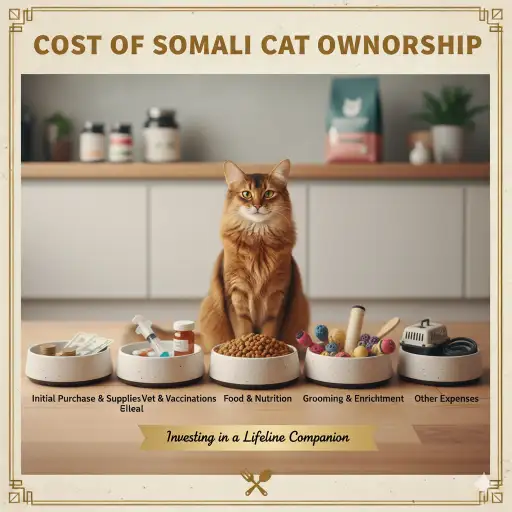
Owning a Somali cat is more than just love and fun. It also means money is needed for many things. Before you bring a Somali cat home, it helps to know all costs. This guide will help you understand what to expect. It will explain the money you need at first, each month, and over the years. Knowing these costs early can help you plan and make better decisions.
Somali cats are a beautiful and active breed. They have thick, long fur and playful personalities. Many people think about how beautiful they are first. But cost matters too. Some people spend a little, and others spend a lot. This guide looks at real costs that many owners face. It avoids guesswork and focuses on what matters most for planning.
When people search online, they often want to know “how much does it cost to own a Somali cat?” This question has many answers. There are one‑time costs, like buying the cat and setting up the home. There are ongoing monthly needs, like food and litter. There are also unexpected costs, like vet bills. At the end, you will see rough cost ranges to help you plan. These are not exact prices, but they give a realistic picture.
A Somali cat’s cost also depends on choices you make. Do you want a basic setup or more luxury items? Do you favor cheaper food or special premium brands? Do you live in a place with expensive vets? All of these change the total picture. This first part gives you a high‑level cost overview so nothing surprises you later.
At‑a‑Glance Cost Summary
| Category | Typical Range |
|---|---|
| Adoption or Purchase Price | $100 – $3,000+ |
| First Year Total Cost | $3,000 – $5,500+ |
| Monthly Average Cost | $50 – $250+ |
| Lifetime Cost (12–15 years) | $20,000 – $30,000+ |
These are general ranges. The real numbers for you may be lower or higher. The important thing is to use these ranges to start planning. Remember, having a savings plan and a budget helps you care for your Somali cat without stress. Next is the first detailed money area: the costs you will see right at the beginning.
Initial One‑Time and First Year Costs
When you first bring a Somali cat home, you will pay a group of costs all at once. Some you may think about before the cat arrives. Some come soon after. These early costs can feel large at first, so it helps to plan ahead and spread them out if possible.
The first big cost is adoption or purchase. If you adopt from a rescue, you may pay a low adoption fee. This fee often covers basic vet checks and vaccines. Buying from a breeder can cost much more. Good breeders spend a lot of time and money to care for kittens. This raises the price. Either way, do careful research so you pay a fair price.
Next comes the first vet visit. Many shelters include basic shots, but you still need to pay for spay or neuter if not already done. Other early costs include microchips and initial health checks. These help keep your cat safe and healthy. Setting this up early avoids bigger bills later.
Then you need supplies. Some basics are essential: food bowls, a litter box, a bed, a carrier, and toys. You may want scratching posts, extra toys, and grooming tools. Some items last for many years; others wear out faster. You decide how many and what quality to buy. This affects your cost.
It’s worth noting that the first year cost is often much higher than later years. This is because you pay a lot of setup costs at once. After that, you mainly pay for food and routine care. The table below shows typical one‑time and first‑year costs you may see.
Initial Costs Breakdown
| Item | Typical Cost | Notes |
|---|---|---|
| Adoption/Rescue Fee | $100 – $300 | Includes basic shots, may include microchip |
| Breeder Purchase Price | $800 – $3,000+ | Depends on lineage and breeder quality |
| First Vet Visit | $100 – $250 | Checkup, vaccines, fleas/worm treatment |
| Spay/Neuter | $50 – $200 | Lower for rescues that include it |
| Microchip | $25 – $50 | One‑time, helps find lost cats |
| Supplies | $120 – $500 | Bowls, bed, box, carrier, brushes |
These numbers are realistic cost ranges. Some owners spend less by getting used supplies or adopting local rescues. Some spend more on premium supplies or higher breeder prices. Knowing these ranges helps you save ahead and decide what matters most.
First year costs include ongoing needs too. After you buy supplies and pay the first vet visit, you still buy food and litter regularly. You may also face small extra costs for toys, grooming, or pet sitting. These are not huge, but they add up.
Before you move to regular monthly cost planning, it’s worth thinking about savings. Setting aside a little money each month before getting the cat can make initial costs feel easier. This way, you are not rushed or stressed right at the start.
Ongoing Monthly & Annual Expenses
Once your Somali cat is home and settled, you face regular money needs. These are costs you pay every month or every year. Knowing these helps you plan a monthly budget so nothing surprises you.
The biggest everyday cost is food. Somali cats are active and may eat a little more than some other cats. High‑quality cat food costs more but can help keep your cat healthy. Kittens and active adults need enough food, so don’t cut this cost too low. You may also buy treats sometimes. Treats are optional, but most cats enjoy them.
Next is litter. Cats use litter every day, so you buy it often. Some litters are cheap; others clump better or control smell better. The brand you choose changes how much you spend. Some owners also buy mats or boxes with covers, but these are one‑time costs, not monthly.
Routine vet care happens once or twice a year. These visits check your cat’s health, update vaccines, and test for issues before they become emergencies. Many owners also pay for flea and parasite prevention throughout the year. These are part of keeping your cat healthy and avoiding bigger problems later.
Somali cats have long coats. This means brushing often to keep fur from matting. Some owners brush at home, which costs little. Others choose professional grooming occasionally, which raises costs. How you groom affects your monthly spending.
Travel or pet sitting is also a yearly need for many owners. If you go on vacation, you may pay someone to watch your cat or board it. These are not monthly costs, but they add up over a year.
Annual and Monthly Cost Examples
| Expense Type | Monthly | Annual |
|---|---|---|
| Food | $25 – $80 | $300 – $960 |
| Litter | $10 – $40 | $120 – $480 |
| Preventive Vet Care* | — | $150 – $500 |
| Grooming | $0 – $15 | $0 – $180 |
| Travel / Sitting | — | $50 – $300 |
These numbers are averages. Some owners spend more on high‑end food or frequent grooming. Others spend less by choosing store brands or brushing at home. The key is to know these categories and watch them every month so you stay within your plan.
One helpful tip is to set up automatic savings for vet visits or travel costs. That way, when you need them, you already have funds. You can also look for local deals, community clinics, or package deals from vets that lower the year’s total.
Unexpected Costs & Financial Planning Traps
No matter how careful you are, some costs are surprises. These are costs that you do not plan for in your normal monthly budget. Many owners face them at some point. Being prepared helps you handle them without fear.
One of the biggest surprise costs is emergency vet bills. If a cat eats something it should not, gets hurt, or suddenly becomes sick, the vet bill can be high. Emergency visits cost more than routine checkups. Some tests, X‑rays, or surgeries add to the price. These are not fun to think about, but they are real.
Another common surprise is aging care. As cats get older, they may develop health issues like arthritis or kidney disease. Caring for an aging cat can mean more vet visits, special diets, or even medications. These are not part of the regular budget, but many owners face them in the later years of their cat’s life.
Home and property costs can surprise you too. Cats scratch and play everywhere. Some owners find furniture or carpet gets worn or ruined. Replacing or protecting these things is part of cost planning. You may buy scratch posts and protective covers to reduce this risk, but it still happens.
It’s also easy to forget small recurring needs. New toys, replacement collars, or seasonal supplies add up. When you do not track these, the total can feel bigger than expected. This is why a simple monthly budget helps you notice small costs before they surprise you.
Thinking about these ahead of time can ease money stress. Many owners recommend having an emergency fund just for pet costs. You decide how much to save, but having something set aside makes unexpected costs easier to handle.
Common Financial Planning Mistakes
| Mistake | Why It Matters |
|---|---|
| No Vet Savings | Emergencies cost more than routine care |
| Ignoring Aging Needs | Older cats often need more care |
| Underestimating Food/Litter | These are ongoing and steady costs |
| No Travel Plan | Pet sitters/boarding add up over time |
Planning for these helps you be ready. It does not mean worrying all the time. It means choosing ahead how you will care for your cat without stress.
Lifetime Cost Estimate & Responsible Planning
Knowing all the costs over 12–15 years gives you a big picture. This is the lifetime cost of owning a Somali cat. It includes everything you learned above: initial costs, monthly needs, vet care, and unexpected expenses.
To estimate lifetime costs, you add all these categories year by year. For example, in early years you spend more on setup and initial vet care. In middle years you spend steady amounts on food, litter, and checkups. In later years you may add more vet care for aging needs.
Some owners also compare lifestyle costs. Indoor cats usually cost less than outdoor cats. Outdoor cats may face more injury risk, which raises vet bills. Single‑cat homes share resources with one cat. Multi‑cat homes can spread out some costs like litter box supplies but may spend more on food overall.
Lifetime Cost Range Scenarios
| Ownership Level | Estimated Lifetime Cost |
|---|---|
| Budget Plan | $18,000 – $22,000 |
| Average Care | $22,000 – $28,000 |
| Premium Care | $28,000 – $35,000+ |
These are directional ranges, not exact facts. They help you plan and compare. Your real total depends on local costs, your choices, and what happens over the years.
Responsible Planning Tips
• Start saving early for vet visits and emergencies.
• Track monthly costs so you know where money goes.
• Choose quality food and supplies that fit your budget.
• Research vet clinics and ask about payment options.
Owning a Somali cat is rewarding, but it is a long‑term financial choice. Planning ahead helps you enjoy the journey without surprise stress. With clear numbers, you can decide if now is the right time for a Somali cat.
For more information on cat care basics and budgeting tools, visit https://www.aspca.org

Ata Ur Rehman is the founder of Pet Age in Human Years Calculator, an educational platform that provides age conversion charts and lifespan guides for dogs, cats, birds, and other companion animals. His work focuses on helping pet owners understand how animal ages translate into human years using commonly accepted age conversion formulas and published lifespan averages.
The website compiles breed and species lifespan data from kennel clubs, breed organizations, and general animal lifespan studies to present simple and easy-to-understand guides for pet owners worldwide.
This website was created to centralize animal age conversion charts into one easy reference platform for pet owners.