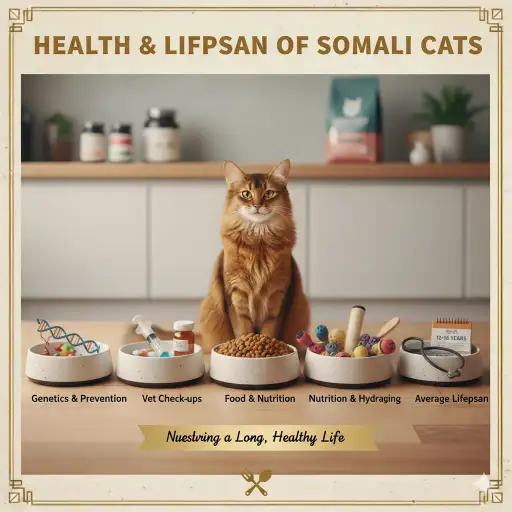
Somali cats are known for their playful energy, sharp minds, and beautiful fox-like appearance. Along with their charm, many owners naturally wonder how long these cats live and what health concerns they may face over time. Understanding general health patterns can help owners feel more confident and better prepared for long-term care.
On average, Somali cats often live between 12 and 16 years. Many can live even longer with good care, a safe indoor lifestyle, and regular veterinary checkups. Like all cats, lifespan can vary depending on genetics, diet, environment, and preventive health care. No two cats age in exactly the same way.
Indoor Somali cats usually live longer than outdoor cats. This is not because Somalis are fragile, but because indoor cats face fewer dangers. Outdoor risks include traffic, injuries, parasites, and infectious diseases. A protected indoor environment helps reduce many of these threats.
It is also important to remember that breed tendencies do not guarantee specific outcomes. A Somali cat may never develop common health issues, while another may need extra care. This guide focuses on awareness and prevention rather than predicting illness.
Common Health Issues in Somali Cats
Somali cats are generally healthy, but like many purebred cats, they may show patterns of certain health conditions. These are not inevitable problems — they are simply areas where owners should stay informed and observant.
Dental disease is one of the most common concerns in cats, including Somalis. Plaque and tartar can build up over time, leading to gum irritation or tooth discomfort. Because cats often hide pain, dental issues can go unnoticed without regular checks.
Kidney disease is another condition seen in many aging cats. The kidneys help filter waste from the body. As cats grow older, kidney function may slowly decline. Early detection often makes management easier and improves comfort.
Urinary tract issues may also occur. These can include bladder irritation or difficulty urinating. Changes in litter box habits are often the first clue. Prompt attention helps prevent complications.
Obesity is a growing concern for indoor cats. Somali cats are active by nature, but weight gain can still happen if diet and activity are not balanced. Extra weight can increase strain on joints and internal organs.
Some Somalis may also show signs of metabolic or genetic conditions, though these are less common. Responsible breeding practices have helped reduce many inherited risks.
Here is a simple overview of common concerns:
| Health Concern | What It Means | Possible Signs | Prevention Focus |
|---|---|---|---|
| Dental Disease | Problems with teeth & gums | Bad breath, drooling, eating changes | Dental care, vet exams |
| Kidney Disease | Reduced kidney function | Increased thirst, weight loss | Regular lab checks |
| Urinary Issues | Bladder or urinary discomfort | Litter box changes, straining | Hydration, vet care |
| Obesity | Excess body weight | Reduced activity, round body shape | Diet & exercise balance |
Preventive Care & Early Warning Signs
Preventive care plays a major role in a Somali cat’s health and lifespan. Many conditions are easier to manage when detected early. Regular veterinary visits allow professionals to monitor subtle changes before obvious symptoms appear.
Routine wellness exams help assess weight, teeth, heart, and overall condition. Vaccinations, parasite prevention, and lab testing may be recommended based on age and lifestyle. These visits are not only for sick cats.
Dental care is especially important. Even simple habits, like monitoring breath odor or observing eating behavior, can help owners notice early changes. Professional cleanings may be suggested by a veterinarian when needed.
Weight management is another key factor. Balanced nutrition and daily playtime help maintain a healthy body condition. Somali cats enjoy mental and physical stimulation, which also supports emotional well-being.
Owners are often the first to notice small changes. Cats communicate discomfort through behavior rather than words. Watching daily habits can reveal valuable clues.
Here are warning signs owners should not ignore:
| Change Observed | What It May Indicate | Why It Matters |
|---|---|---|
| Eating less or more | Dental, digestive, or metabolic concerns | Appetite shifts often signal issues |
| Drinking more water | Possible kidney or metabolic changes | Increased thirst deserves attention |
| Litter box changes | Urinary discomfort or stress | Early response prevents complications |
| Weight loss or gain | Underlying health or diet imbalance | Body changes may develop slowly |
| Lower activity levels | Pain, aging, or illness | Behavioral shifts are important signals |
Early attention does not mean panic. Many health concerns are manageable, especially when addressed quickly. A calm, observant approach benefits both owner and cat.
Aging in Somali Cats — Senior Health & Quality of Life
As Somali cats age, gradual changes are normal. Aging is not a disease, but the body may function differently over time. Understanding typical senior changes helps owners provide better support.
Older Somali cats may sleep more and play less. Energy levels naturally shift. Joint stiffness may appear, making jumping or climbing less frequent. Gentle environmental adjustments can help maintain comfort.
Appetite patterns may also change. Some senior cats prefer smaller, more frequent meals. Weight monitoring becomes increasingly important, as both weight loss and gain may occur.
Kidney function, dental health, and mobility often require closer observation in senior years. Veterinarians may recommend more frequent checkups for aging cats to track these areas.
Mental stimulation remains valuable. Somali cats are intelligent and curious. Interactive toys, gentle play, and social interaction help maintain cognitive engagement.
Quality of life focuses on comfort, mobility, appetite, and overall happiness. Small lifestyle adjustments — like softer bedding, easier access to favorite areas, and consistent routines — can greatly improve senior well-being.
It is helpful to view aging as a transition rather than decline. Many Somali cats enjoy active, content senior years with thoughtful care.
Practical Questions Owners Ask
How long do Somali cats usually live?
Most Somali cats live between 12 and 16 years. Many live longer with preventive care, a healthy diet, and an indoor lifestyle.
Are Somali cats prone to serious diseases?
Somalis are generally healthy. Like all cats, they may experience dental issues, kidney changes, urinary concerns, or weight-related problems.
Can indoor Somali cats live longer?
Indoor cats often live longer because they face fewer risks. Safety, stable nutrition, and controlled environments support longevity.
How can I keep my Somali cat healthy?
Balanced nutrition, daily play, routine vet visits, dental awareness, and weight monitoring all contribute to long-term wellness.
When should I take my Somali cat to the vet?
Regular wellness visits are important. Owners should also seek veterinary advice if they notice appetite changes, weight shifts, litter box differences, or unusual behavior.
Is weight gain common in Somali cats?
It can happen, especially indoors. Somali cats benefit from interactive play and controlled feeding to maintain healthy body condition.
Do Somali cats need special senior care?
Senior cats often benefit from more frequent checkups, comfort-focused adjustments, and closer monitoring of mobility and appetite.
Here is a quick reference:
| Question | Simple Answer |
|---|---|
| Typical lifespan? | 12–16 years (often longer) |
| Biggest health focus? | Dental, kidney, urinary, weight |
| Indoor vs outdoor? | Indoor usually longer-lived |
| Key prevention habits? | Vet care, diet, observation |
Final Health & Lifespan Summary for Owners
Somali cats are lively, intelligent companions that often enjoy long, healthy lives. While certain health patterns may appear more frequently, most concerns can be managed or reduced through awareness and preventive care.
Daily observation is one of the most powerful tools an owner has. Small changes in behavior, appetite, grooming, or litter box habits often provide early clues. These signs are not reasons for fear, but opportunities for timely care.
Preventive veterinary visits, balanced nutrition, dental awareness, and weight management form the foundation of long-term Somali cat wellness. Aging is a natural part of life, and many Somali cats remain playful and affectionate well into their senior years.
A calm, informed approach helps owners build confidence rather than anxiety. Health knowledge is meant to support proactive care, not create worry. Every Somali cat is unique, and attentive care makes a meaningful difference.
For additional feline health guidance, owners can consult trusted veterinary resources such as the American Association of Feline Practitioners:
https://catvets.com

Ata Ur Rehman is the founder of Pet Age in Human Years Calculator, an educational platform that provides age conversion charts and lifespan guides for dogs, cats, birds, and other companion animals. His work focuses on helping pet owners understand how animal ages translate into human years using commonly accepted age conversion formulas and published lifespan averages.
The website compiles breed and species lifespan data from kennel clubs, breed organizations, and general animal lifespan studies to present simple and easy-to-understand guides for pet owners worldwide.
This website was created to centralize animal age conversion charts into one easy reference platform for pet owners.