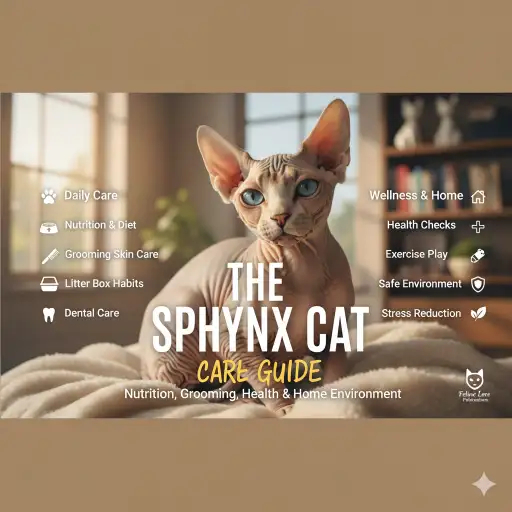
Sphynx cats are one of the most unusual and fascinating cat breeds in the world. Unlike most cats, they have little to no fur, which makes their skin very noticeable and sensitive. Because they are hairless, Sphynx cats get cold more easily than other breeds, and their skin produces more oils that need regular cleaning. Understanding their unique traits is the first step to keeping them healthy and happy.
These cats are very social and affectionate. They love being around people and often follow their owners from room to room. They are playful and energetic, which means they need regular interaction and mental stimulation. Leaving a Sphynx alone for long periods can lead to boredom, stress, or even minor behavioral problems like excessive meowing or scratching furniture.
Sphynx cats also have higher metabolism than most other cats. This means they often eat more food to maintain their energy and body temperature. Their appetite may seem larger than average, but it’s important to feed them a balanced diet. Proper nutrition is essential for their skin health, energy levels, and overall wellbeing.
One of the most important aspects of caring for a Sphynx is understanding their grooming and environmental needs. Because they lack fur, their skin is exposed to oils, dirt, and potential irritants. This makes regular bathing, ear cleaning, and nail trimming essential. Additionally, they need warm and comfortable environments, soft bedding, and protection from extreme temperatures. Learning these basics will make caring for a Sphynx much easier and more enjoyable.
Essential Grooming & Skin Care Routine
Sphynx cats need more attention to grooming than most other breeds. Even though they do not shed, their skin gets oily and can collect dirt. Without proper care, this can lead to acne, rashes, or infections. The good news is that grooming can become a daily routine that strengthens the bond between you and your cat.
Bathing is one of the most important tasks. Most Sphynx cats benefit from a bath every one to two weeks. Use a gentle, cat-safe shampoo and lukewarm water. Avoid harsh soaps or human shampoos, as they can irritate sensitive skin. During the bath, gently massage their skin to remove oil buildup and dirt. Make sure to rinse thoroughly to prevent residue, which can cause itching or irritation.
Ears need special attention because Sphynx cats produce more wax than other breeds. Check their ears weekly and clean them with a soft cotton pad or gauze moistened with a vet-approved ear cleaner. Never use cotton swabs inside the ear canal. Keeping ears clean helps prevent infections and keeps the cat comfortable.
Nail trimming is another important part of grooming. Trim their nails every 10–14 days to avoid overgrowth and prevent accidental scratches. Check the paw pads regularly for dirt or debris and wipe them if necessary. Also, gently wipe the corners of the eyes daily to remove tear stains or buildup. These simple steps can prevent larger health problems in the future.
A daily routine of skin wipes between baths can keep oil and dirt under control. Use a soft, damp cloth to gently clean the folds and creases of the skin. This is especially important for kittens and older cats who may have trouble bathing themselves. Making grooming a routine early helps Sphynx cats feel comfortable and makes the process less stressful for both cat and owner.
Grooming & Hygiene Checklist
| Task | Frequency | Notes |
|---|---|---|
| Bathing | 1–2 weeks | Use gentle cat shampoo |
| Ear Cleaning | Weekly | Vet-approved solution, avoid cotton swabs |
| Nail Trimming | Every 10–14 days | Avoid cutting the quick |
| Eye Cleaning | Daily | Soft damp cloth |
| Skin Wipe | Daily | Focus on folds and oily areas |
Nutrition, Hydration & Daily Wellness
Feeding a Sphynx cat properly is critical because of their high metabolism and energy needs. They often eat more than other cats, but quality is more important than quantity. A balanced diet rich in protein, healthy fats, and essential vitamins supports their skin health, energy levels, and immune system. Many owners choose premium cat food formulated for indoor or active cats, but always consult your veterinarian to select the best diet for your individual cat.
Hydration is equally important. Sphynx cats can be prone to dehydration because their skin is exposed and they may lose more moisture than other cats. Always provide fresh water in multiple locations around the house. Some cats prefer water fountains because they encourage drinking. Wet cat food can also contribute to overall hydration.
Daily wellness involves more than food. Because Sphynx cats are active and social, they need mental stimulation and playtime. Interactive toys, climbing structures, and puzzle feeders help keep them physically and mentally engaged. Regular play sessions prevent boredom and destructive behaviors. It is recommended to spend at least 20–30 minutes per day in interactive play with your Sphynx.
Keeping an eye on their weight is also part of daily wellness. Sphynx cats have a lean body, and weight fluctuations can indicate health issues. Check for muscle tone, fat coverage, and overall condition weekly. Adjust food portions as needed and consult a vet if there are sudden changes. Monitoring behavior, appetite, and energy levels daily helps detect problems early.
Environment, Comfort & Behavioral Needs
Sphynx cats are highly sensitive to temperature because they lack fur. They need warm, comfortable areas to sleep and relax. Heated beds, soft blankets, and cozy corners are ideal. Avoid drafts and keep indoor temperatures comfortable. Some owners use cat clothing during colder months, which can help maintain body warmth, especially for kittens and older cats.
Behaviorally, Sphynx cats are affectionate and crave human interaction. They thrive in households where they are not left alone for long periods. Social play, lap time, and gentle petting are essential for emotional health. In multi-cat homes, it is important to ensure each cat has its own space to avoid stress or territorial disputes. Proper introduction techniques and observation help prevent aggression or anxiety.
Environmental enrichment is another key aspect. Cat trees, scratching posts, and interactive toys provide stimulation and prevent boredom. Window perches give visual entertainment, which is especially important for indoor cats. Regularly rotating toys and play areas keeps the environment engaging. Mental stimulation is as important as physical warmth for a happy Sphynx.
Sphynx cats also have unique sleeping habits. They may seek warmth by snuggling with owners or other pets. Understanding their cues and providing safe, cozy places reduces anxiety. Monitoring their comfort levels, observing signs of cold stress or restlessness, and adjusting bedding or clothing as needed ensures they stay healthy and content.
Temperature & Environment Guide
| Condition | Suggested Setup | Why It Matters |
|---|---|---|
| Cold Weather | Heated beds, warm blankets | Prevents chills and discomfort |
| Warm Weather | Cool spots, fans | Avoids overheating |
| Sunlight | Shaded indoor areas | Prevents sunburn |
Common Problems, Health Signals & When to See a Vet
Even with proper care, Sphynx cats can face common health challenges. Skin issues are the most frequent. Redness, flakiness, or bumps may indicate irritation, acne, or infection. Early detection and proper skin care can prevent serious problems. Ear infections are also common due to wax buildup. Regular cleaning and observation are essential.
Dental health is another area of concern. Regular brushing or dental treats help prevent tartar and gum disease. Sphynx cats can also be prone to heart problems like hypertrophic cardiomyopathy (HCM), so routine vet checkups and screenings are important. Always discuss any breed-specific risks with your veterinarian.
Behavioral changes can be a sign of health issues. Lethargy, decreased appetite, excessive scratching, or changes in social behavior should not be ignored. These can indicate illness, discomfort, or stress. Timely veterinary consultation ensures problems are addressed before they become serious.
Weight monitoring and nutrition are linked to overall health. Rapid weight loss or gain may indicate metabolic or systemic issues. Regular checkups, observation of body condition, and monitoring energy levels are part of preventive care. A proactive approach helps maintain a healthy and happy Sphynx.
Common Health Signals to Watch For
| Signal | Possible Issue | What to Do |
|---|---|---|
| Red, flaky skin | Skin irritation or acne | Adjust grooming + vet consult |
| Excess ear wax or odor | Ear infection | Clean + vet visit |
| Rapid weight change | Metabolic or health issue | Vet examination |
| Lethargy or appetite loss | Underlying illness | Urgent vet check |
By following proper grooming, feeding, and environmental routines, and by observing your cat daily, many health issues can be prevented or addressed early. Regular vet visits and monitoring behavior are the keys to a long, happy life for your Sphynx.
For more detailed guidance on caring for a Sphynx, you can visit Sphynx Kittens Breeder Care Guide.

Ata Ur Rehman is the founder of Pet Age in Human Years Calculator, an educational platform that provides age conversion charts and lifespan guides for dogs, cats, birds, and other companion animals. His work focuses on helping pet owners understand how animal ages translate into human years using commonly accepted age conversion formulas and published lifespan averages.
The website compiles breed and species lifespan data from kennel clubs, breed organizations, and general animal lifespan studies to present simple and easy-to-understand guides for pet owners worldwide.
This website was created to centralize animal age conversion charts into one easy reference platform for pet owners.