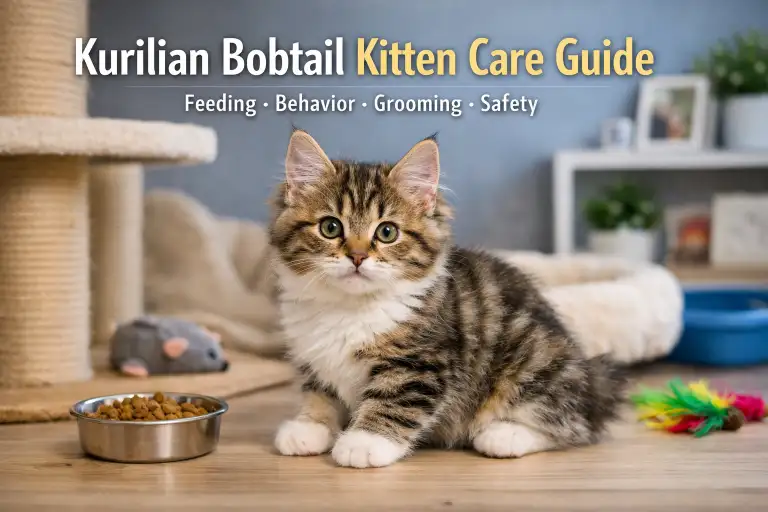
Bringing home a Kurilian Bobtail kitten is exciting, and it’s completely normal to feel a mix of joy, nerves, and a hundred small questions. This breed is known for being confident, people-oriented, and surprisingly adaptable, but at the end of the day, they’re still kittens—curious, energetic, and learning everything for the first time.
If this is your first kitten (or your first Kurilian Bobtail), the most important thing to know is this: you don’t need to do everything perfectly. A calm environment, consistent routines, and gentle attention matter far more than fancy setups or strict rules.
Kurilian Bobtail kittens tend to be a little more socially aware than some other breeds. Many owners notice early on that their kitten likes to follow them from room to room, watch what’s going on, and be involved without being overly demanding. This can feel surprising if you expected a very independent cat—but it’s completely normal for this breed.
At the same time, don’t confuse confidence with maturity. Even if your kitten seems bold and playful, they’re still developing physically and emotionally. Short attention spans, bursts of wild energy, clumsy jumps, and sudden naps are all part of healthy kitten behavior.
To help set expectations early, here’s a quick overview of what many new owners notice during the first weeks.
| Kurilian Bobtail Kitten Traits at a Glance | What This Means for You as an Owner |
|---|---|
| Curious and observant | Your kitten will explore and watch everything you do |
| Moderately high energy | Daily playtime is important to prevent boredom |
| Social and people-focused | They often enjoy being near you, not isolated |
| Quick learners | Gentle routines and consistency go a long way |
| Still a kitten at heart | Accidents, chaos, and zoomies are normal |
If your kitten hides at first, that’s okay too. Some Kurilian Bobtail kittens settle in within hours, while others need a few days to feel safe. There’s no “right” adjustment timeline. Let your kitten set the pace, keep things quiet, and focus on making their world feel predictable.
This guide is designed to help you understand what your Kurilian Bobtail kitten needs day to day—without fear, pressure, or information overload. You’re not just raising a breed; you’re building a relationship, and that takes patience more than perfection.
Feeding, Growth & Daily Routine for Kurilian Bobtail Kittens
Feeding your Kurilian Bobtail kitten does not need to feel confusing or stressful. Most kittens do best when their days follow a simple pattern: eat, play, sleep, repeat. A steady routine helps your kitten feel safe and helps you notice changes more easily.
Kurilian Bobtail kittens are active and curious, so good food and regular meals support their growth and energy. Young kittens usually need to eat more often than adult cats because their bodies are growing fast. Try to feed at the same times each day so your kitten learns what to expect.
You may notice your kitten eats a little, runs off to play, then comes back for more. This is normal kitten behavior. As long as your kitten is active, alert, and gaining weight, small changes in appetite from day to day are usually not a problem.
Wet food helps with hydration and is often easier for kittens to eat, while dry food can help them learn to chew and snack between meals. Many owners use a mix of both. Fresh water should always be available in a clean bowl.
Sleep is a big part of healthy growth. Kurilian Bobtail kittens can sleep many hours a day, often in short naps. Long play sessions followed by deep sleep are a good sign. If your kitten plays hard, eats well, and then sleeps, their routine is working.
Here is a simple example of what a normal day might look like. This is not a strict schedule, just a guide to help you understand the flow of a kitten’s day.
| Time of Day | What Your Kitten Is Likely Doing |
|---|---|
| Morning | Eating, light play, exploring |
| Midday | Sleeping, short play bursts |
| Afternoon | Eating, active play, curiosity |
| Evening | Playtime, bonding, eating |
| Night | Sleeping with short wake-ups |
Try not to worry if your day does not match this exactly. Every kitten is a little different. The goal is balance, not perfection.
Common mistakes at this stage include overfeeding, skipping playtime, or changing food too often. Keep things steady, simple, and gentle. If your kitten seems full of energy and sleeps well after meals, you’re doing a good job.
Behavior, Socialization & Litter Training
Kurilian Bobtail kittens are playful, curious, and very aware of their surroundings. Much of what they do can look strange or even worrying to new owners, but most kitten behavior is completely normal. Understanding this early will help you stay calm and patient.
Play is how kittens learn. Your kitten may run suddenly, jump on moving objects, or chase your feet. This does not mean they are being aggressive. It means they are practicing hunting skills. Use toys instead of hands so your kitten learns what is okay to bite and what is not.
Play biting and gentle scratching are common during early months. When this happens, stay calm. Stop play for a moment and redirect your kitten to a toy. Yelling or punishment can scare your kitten and make behavior worse.
Litter training is usually simple for kittens. Most Kurilian Bobtail kittens naturally use a litter box if it is easy to find and kept clean. Place the litter box in a quiet area and show your kitten where it is on the first day. If accidents happen, it is often because the box was too far away, dirty, or your kitten was distracted while playing.
Socialization means helping your kitten feel safe around people, sounds, and daily life. Speak gently, handle your kitten with care, and let them come to you when possible. Short, positive moments build trust faster than forced cuddles.
If you have other pets, introduce them slowly. Give your kitten their own space at first and allow calm, short meetings. Rushing introductions can cause stress for everyone.
Many new owners worry about what is normal and what is not. This table can help you understand common kitten behaviors without panic.
| Behavior You See | What It Usually Means |
|---|---|
| Sudden running or jumping | Normal kitten energy and play |
| Gentle biting during play | Learning boundaries |
| Missing the litter box once or twice | Still learning the routine |
| Following you around | Curiosity and bonding |
| Hiding at first | Adjusting to a new home |
If something feels off for more than a few days, slow down and observe before worrying. Most behavior issues improve with routine, patience, and time.
Grooming, Hygiene & Health Basics
Grooming your Kurilian Bobtail kitten is not just about keeping them clean. It is also a good way to build trust and help your kitten get used to being handled. Start slowly and keep grooming calm and short.
Kurilian Bobtail kittens usually have a soft coat that does not tangle easily. Brushing once or twice a week is often enough. Use a soft brush and stop if your kitten becomes restless. Grooming should feel safe, not stressful.
Nail trimming is easier if you start early. Kittens have sharp nails, and trimming helps protect your skin and furniture. Trim just the tip of the nail and keep sessions short. If your kitten resists, take a break and try again later.
Check your kitten’s eyes and ears during quiet moments. Eyes should look clear, and ears should not smell bad or look very dirty. You do not need to clean often unless you notice buildup. When in doubt, gentle wiping with a soft cloth is enough.
Dental care can start with simple habits. Let your kitten sniff and lick your finger near their mouth. This helps them get used to mouth handling for later care.
Health basics are mostly about watching, not worrying. A healthy kitten is playful, eats well, sleeps deeply, and shows interest in their surroundings. Early vet visits help set a good foundation, but day-to-day care is about noticing small changes and staying calm.
Avoid over-cleaning or bathing unless truly needed. Most kittens keep themselves clean, and too much washing can cause stress.
Safety, Indoor Living & Common Owner Mistakes
Keeping your Kurilian Bobtail kitten safe indoors is one of the most important parts of care. Kittens are curious and fast, and they often explore without knowing what is dangerous.
Start by looking at your home from a kitten’s point of view. Small spaces, loose cords, open windows, and high shelves can all cause trouble. Block narrow gaps, secure wires, and make sure windows and balconies are safely closed or screened.
Kurilian Bobtail kittens are active and love to climb. This is normal. Give them safe places to climb, like cat trees or sturdy furniture, so they do not try risky jumps. Safe play spaces help prevent accidents and boredom.
Indoor kittens still need daily play and mental activity. Short play sessions with toys, climbing time, and quiet rest all help your kitten stay happy and calm. A bored kitten is more likely to get into trouble.
Many problems new owners face come from small mistakes that are easy to fix. This table shows common issues and better choices.
| Common Mistake | Better Approach |
|---|---|
| Letting the kitten roam everywhere on day one | Start with one safe room and slowly add space |
| Using hands as toys | Use toys to teach safe play |
| Skipping daily playtime | Schedule short play sessions every day |
| Changing routines often | Keep feeding and play times steady |
| Expecting adult behavior too soon | Remember your kitten is still learning |
If something goes wrong, try not to blame yourself. Every kitten owner makes mistakes. What matters most is learning, adjusting, and staying patient.
For more general kitten care tips backed by animal welfare experts, you can also read the ASPCA’s beginner-friendly guide on caring for kittens, which offers helpful advice that applies to all breeds: https://www.aspca.org/pet-care/cat-care/general-cat-care

Ata Ur Rehman is the founder of Pet Age in Human Years Calculator, an educational platform that provides age conversion charts and lifespan guides for dogs, cats, birds, and other companion animals. His work focuses on helping pet owners understand how animal ages translate into human years using commonly accepted age conversion formulas and published lifespan averages.
The website compiles breed and species lifespan data from kennel clubs, breed organizations, and general animal lifespan studies to present simple and easy-to-understand guides for pet owners worldwide.
This website was created to centralize animal age conversion charts into one easy reference platform for pet owners.