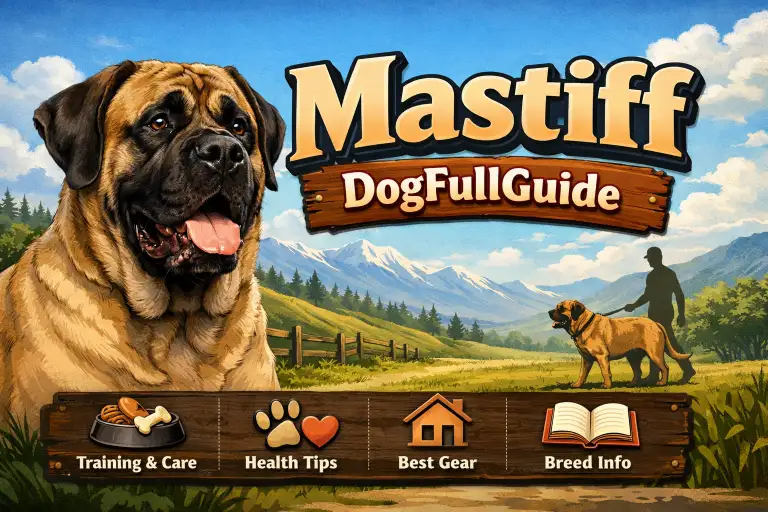
The Mastiff is one of the oldest and most powerful dog breeds in the world, instantly recognizable for its massive size, broad head, and calm, watchful presence. Often described as a “gentle giant,” the Mastiff is not a high-energy working dog nor a decorative companion—it is a deeply rooted guardian breed shaped by centuries of purpose, restraint, and human partnership.
Historically, Mastiff-type dogs trace back thousands of years to ancient Molosser dogs used in warfare, estate guarding, and big-game protection across Europe and parts of Asia. These dogs were valued not for speed or aggression, but for their imposing presence, physical strength, and unwavering courage. Over time, particularly in England, selective breeding refined the Mastiff into a more stable, people-oriented guardian—one that relied on deterrence rather than constant confrontation.
This history explains much of the modern Mastiff’s behavior. Mastiffs are naturally territorial, deeply loyal to their families, and slow to react without reason. Unlike reactive guard breeds, a well-bred Mastiff is typically quiet, observant, and deliberate. They tend to assess situations before acting, which is why experienced owners often describe them as thoughtful rather than impulsive.
As a breed, Mastiffs mature slowly—both physically and mentally. Puppies grow rapidly in size but take years to fully develop emotional stability and confidence. This extended maturity is a defining characteristic and one of the reasons Mastiffs require patient, consistent handling rather than rushed expectations. They are not dogs that thrive on chaos or constant stimulation; instead, they do best in structured, calm environments where boundaries are clear.
Today’s Mastiff is primarily a companion and family guardian rather than a working dog, but the instincts remain. Their sheer size alone serves as a deterrent, and their loyalty makes them deeply bonded to their household. At the same time, their calm indoor demeanor surprises many first-time observers, as adult Mastiffs are often content to rest quietly near their people.
Understanding the Mastiff means understanding balance: immense physical power paired with emotional restraint, ancient guardian instincts paired with modern family life. This combination is what makes the Mastiff both remarkable—and unsuitable for some households—setting the foundation for everything from temperament to care needs discussed later in this guide.
Mastiff Dog Size, Appearance, and Physical Traits
The Mastiff is famous for its huge size and powerful build. This is not just a “large dog” — it is a giant breed. Many new owners are surprised by how big a Mastiff becomes as an adult, especially when the dog is fully grown and filled out.
A Mastiff’s size affects everything: living space, food costs, training, exercise, and even daily handling. Because of this, understanding their real size is very important before choosing this breed.
Mastiff Size and Body Overview
| Trait | Male Mastiff | Female Mastiff | What This Means for Owners |
|---|---|---|---|
| Height | 30–36 inches | 27–32 inches | Tall enough to reach counters and tables |
| Weight | 160–230+ lbs | 120–170 lbs | Very strong; difficult to lift or carry |
| Growth Speed | Very fast as puppies | Fast but slightly slower | Needs joint care and controlled exercise |
| Maturity Age | 2.5–3 years | 2–2.5 years | Mental and physical maturity takes time |
In real life, many Mastiffs are heavier than the minimum breed standard. A healthy Mastiff should look large and solid, but not obese. Extra weight puts serious stress on joints and the heart, so proper care is essential.
Build, Strength, and Movement
Mastiffs have:
- A wide chest
- Thick bones
- Heavy muscle mass
- A slow, steady walking style
They are not built for speed or long-distance running. Their movement is calm and powerful, not quick or jumpy. Because of their strength, even a gentle Mastiff can accidentally knock over a person, especially children or elderly family members.
Coat Type, Colors, and Shedding
Mastiffs have a short, dense coat that lies close to the body. Grooming is simple compared to long-haired breeds, but shedding still happens year-round.
| Feature | Level | What to Expect |
|---|---|---|
| Coat Length | Short | Easy brushing, no trimming needed |
| Shedding | Moderate | More shedding in spring and fall |
| Common Colors | Fawn, apricot, brindle | All usually have a dark mask |
| Skin Sensitivity | Medium | Wrinkles need basic cleaning |
Head, Face, and Drooling
One of the most noticeable Mastiff features is the large head and loose skin around the face. This gives them a serious and powerful look, but it also causes drooling.
Mastiffs may drool:
- After drinking water
- During hot weather
- When excited or waiting for food
This is normal for the breed and something owners must accept.
Climate and Space Needs
Because of their size and short coat:
- Mastiffs do not handle heat well
- They prefer cool indoor spaces
- Long exposure to hot weather can be dangerous
They can live in homes with smaller yards if daily walks are provided, but tight spaces and many stairs can be challenging as they age.
Mastiff Dog Temperament and Personality in Real Life
Mastiffs are calm, quiet, and serious dogs. They are not playful all the time like some smaller breeds. Most adult Mastiffs prefer to relax near their family and watch what is happening around them. This calm nature is one reason people call them “gentle giants.”
Even though Mastiffs look strong and scary, a well-raised Mastiff is usually gentle and patient at home. They form deep bonds with their owners and often follow them from room to room. Mastiffs do not like being alone for long hours and may become sad or stressed if ignored.
General Temperament Snapshot
| Trait | Level | What This Means in Daily Life |
|---|---|---|
| Energy Level | Low to medium | Enjoys short walks and lots of rest |
| Loyalty | Very high | Strong bond with family members |
| Protectiveness | High | Watches the home quietly |
| Aggression | Low when trained | Not violent without reason |
| Independence | Medium | Thinks before obeying commands |
Behavior With Family Members
Mastiffs are very loyal to their family. They are often gentle with people they know well and enjoy calm attention. Many Mastiffs like to sit close or lean on their owners. This “leaning” is a sign of trust, not bad behavior.
They do best in peaceful homes with clear rules. Loud or chaotic homes may make them uneasy.
Behavior With Strangers
Mastiffs are naturally alert around strangers. They usually do not rush to greet new people. Instead, they stand still, watch closely, and wait for signals from their owner.
This does not mean they are aggressive. Most Mastiffs only react if they feel their family is in danger. Early social training helps them stay calm and confident around visitors.
Behavior With Children
Mastiffs can be gentle with children, but supervision is always important. Because of their size and strength, they may accidentally knock over small kids.
They are best suited for families with:
- Older children
- Calm children who respect space
They are not ideal for homes with very young children unless adults are always present.
Behavior With Other Pets
Mastiffs can live with other dogs and pets if raised together. Problems may happen if:
- Social training is poor
- Same-sex dogs are not managed well
- Small pets run suddenly and trigger chasing
Early exposure and firm rules help prevent issues.
Barking and Noise Level
Mastiffs are usually quiet dogs. They do not bark often. When they do bark, it is usually:
- To warn
- To alert owners
- When something feels wrong
Their deep bark alone is often enough to scare away strangers.
Mastiff Dog Care Needs: Exercise, Training, Grooming, and Health
Caring for a Mastiff is not difficult, but it does require planning and responsibility. Because this is a giant breed, small mistakes in care can lead to big problems later. Mastiffs need the right balance of exercise, training, grooming, and health care to live a comfortable life.
Daily Care Needs at a Glance
| Care Area | Level Needed | What Owners Should Know |
|---|---|---|
| Exercise | Low to medium | Short daily walks are enough |
| Mental Stimulation | Medium | Calm games and simple training work best |
| Training Effort | Medium | Consistency matters more than force |
| Grooming | Low | Easy coat care, but drool is common |
| Health Care | High | Giant breeds need regular vet checks |
Exercise Needs
Mastiffs do not need long runs or heavy workouts. Too much exercise, especially when they are young, can damage their joints.
Good exercise for Mastiffs includes:
- Slow daily walks
- Short play sessions
- Gentle movement indoors
They should avoid:
- Jumping
- Running on hard floors
- Long-distance running
Rest is just as important as movement for this breed.
Training Needs
Mastiffs are smart, but they think carefully before acting. They may look stubborn, but they are simply calm and slow decision-makers.
Training works best when:
- Commands are clear
- Voices are calm
- Rewards are used instead of punishment
Because of their size, early leash training is very important. A full-grown Mastiff that pulls on the leash can be hard to control.
Grooming and Hygiene
Mastiffs have a short coat that is easy to care for. Brushing once or twice a week is usually enough.
Owners should pay attention to:
- Wrinkles on the face (keep clean and dry)
- Nails (large dogs wear them slowly)
- Ears (check for dirt or smell)
- Teeth (large jaws still need dental care)
Drooling is normal and cannot be trained away.
Health and Lifespan
Mastiffs have a shorter lifespan than smaller dogs. Most live between 6 to 10 years. Good care can improve quality of life, but it cannot change genetics.
| Common Health Issue | Risk Level | Why It Matters |
|---|---|---|
| Hip dysplasia | High | Causes pain and trouble walking |
| Bloat (GDV) | High | Life-threatening emergency |
| Heart disease | Medium | Needs early testing |
| Joint problems | High | Worse with excess weight |
| Cancer | Medium to high | Common in giant breeds |
Regular vet visits, healthy weight, and proper feeding schedules help reduce risks.
Mastiff Dog Ownership: Cost, Pros and Cons, and Similar Breeds
Owning a Mastiff is a long-term commitment. This breed is calm and loving, but their large size brings higher costs and special needs. Before choosing a Mastiff, it is important to understand the money, time, and effort required.
Mastiff Ownership Cost Overview
| Expense Type | Typical Cost Range | What to Expect |
|---|---|---|
| Puppy Price | $1,000–$3,000 | Depends on breeder and bloodline |
| Food | High | Eats much more than small dogs |
| Vet Care | High | Giant breed tests and treatments cost more |
| Grooming | Low | Simple coat care |
| Supplies | Medium to high | Large beds, crates, collars, vehicles |
| Insurance | Recommended | Helps with emergency costs |
Mastiffs eat a lot of food, and their medical care is more expensive than average. Emergency care can be costly, so many owners choose pet insurance early.
Pros and Cons of Owning a Mastiff
| Pros | Cons |
|---|---|
| Very loyal and protective | Very large and heavy |
| Calm indoor behavior | Shorter lifespan |
| Quiet and not very noisy | High food and vet costs |
| Gentle with family | Drooling is common |
| Strong natural guard dog | Not ideal for first-time owners |
Mastiffs are best for people who enjoy calm dogs and have space, patience, and financial stability.
Is a Mastiff Right for You?
A Mastiff may be a good choice if you:
- Want a calm, loyal companion
- Have space for a giant dog
- Can afford higher care costs
- Prefer a quiet home environment
A Mastiff may not be right if you:
- Want a very active dog
- Live in tight spaces with many stairs
- Have very small children without supervision
- Are not ready for large-dog expenses
Mastiff Compared to Similar Breeds
| Breed | Size | Energy Level | Temperament | Best For |
|---|---|---|---|---|
| Mastiff | Very large | Low to medium | Calm, protective | Quiet family homes |
| Bullmastiff | Large | Medium | More active, alert | Guard-focused owners |
| Great Dane | Very large | Medium | Friendly, playful | Social families |
| Tibetan Mastiff | Large | Low | Independent, strong-willed | Experienced owners |
Each breed has different needs. The Mastiff stands out for its calm nature and strong family bond.
For official breed standards, history, and recognized traits, you can also refer to the American Kennel Club Mastiff breed profile, which provides authoritative information used by breeders and veterinarians worldwide.

Ata Ur Rehman is the founder of Pet Age in Human Years Calculator, an educational platform that provides age conversion charts and lifespan guides for dogs, cats, birds, and other companion animals. His work focuses on helping pet owners understand how animal ages translate into human years using commonly accepted age conversion formulas and published lifespan averages.
The website compiles breed and species lifespan data from kennel clubs, breed organizations, and general animal lifespan studies to present simple and easy-to-understand guides for pet owners worldwide.
This website was created to centralize animal age conversion charts into one easy reference platform for pet owners.