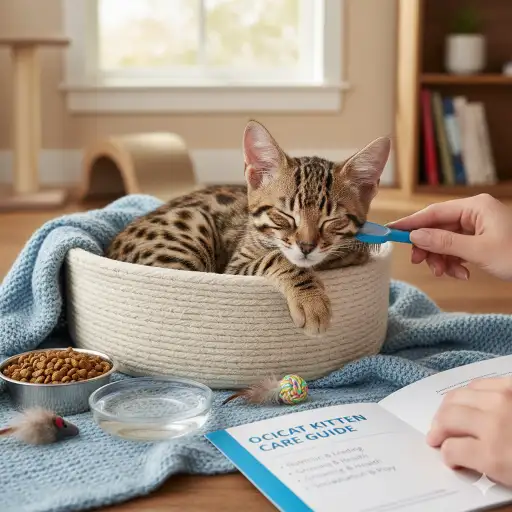
Bringing an Ocicat kitten into your home is an exciting and joyful experience. These kittens are known for their playful energy, curiosity, and affectionate nature. While they may look wild because of their spotted coats, Ocicats are entirely domestic and thrive on love and attention from their human family. Before you bring one home, it’s important to understand what your new kitten will need in terms of care, safety, and socialization. This will help you provide the best start for a happy, healthy life.
Ocicat kittens are active and intelligent, so they require more than just basic food and a litter box. They enjoy interactive play, mental challenges, and opportunities to explore their environment safely. New owners often underestimate the amount of stimulation these kittens need, which can lead to bored or restless behavior. Planning your home for your kitten’s curiosity will make both you and your kitten much happier.
Another key aspect is understanding the normal behavior of kittens at different stages of development. From the first few weeks to six months, your Ocicat will go through rapid growth, learning, and socialization. Some behaviors, like playful biting, scratching, and zoomies, are completely normal, while others might indicate stress or discomfort. Recognizing what is typical will keep you calm and confident as a first-time owner.
Lastly, being prepared means having patience and realistic expectations. Kittens, including Ocicats, require consistent care, gentle guidance, and daily interaction. They are resilient and adaptable but rely on you to provide structure and a safe environment. With the right preparation, your Ocicat kitten will become a playful, loving, and confident member of your family. The next topic will cover preparing your home for your kitten.
Preparing Your Home for an Ocicat Kitten
Before your Ocicat arrives, it’s important to make your home safe and welcoming. Start by designating a specific area for your kitten, such as a quiet corner with a bed, food, water, and a litter box. Kittens feel more secure when they have a space they can retreat to, especially in the first few days. This area should be free from hazards like cords, small objects they could swallow, and fragile items that could be knocked over during play.
Ocicats are highly active, so providing safe climbing and scratching areas is essential. Scratching posts, cat trees, and interactive toys will help your kitten exercise and satisfy natural instincts. Avoid using furniture as the main scratching surface by training your kitten early. Toys should be safe, non-toxic, and free from small parts that could be swallowed. Rotate toys to keep them interested and mentally stimulated.
Household safety includes checking windows, cords, and small spaces where a kitten could get stuck. Secure loose wires and keep cleaning chemicals or small objects out of reach. Ocicats are curious and may investigate every corner of your home, so think about safety from a kitten’s perspective. You can also create “kitten zones” that allow supervised exploration without risk.
Finally, if you have other pets, consider gradual introductions. Ocicats are social, but initial meetings should be slow and controlled. Let each pet sniff and observe from a distance, gradually allowing closer interaction as comfort grows. This process reduces stress and helps all animals feel safe. The next topic will focus on understanding your kitten’s development stages.
Understanding Kitten Development Stages
Kittens grow and change quickly, and understanding their developmental stages helps you provide proper care. The first stage is neonatal, from birth to 2 weeks old. Kittens are entirely dependent on their mother or a caregiver, need warmth, and spend most of their time eating and sleeping. Their eyes and ears begin to open, and they start to respond to touch and sound.
From 2 to 4 weeks, kittens enter the transitional stage. They begin to crawl, play with littermates, and experiment with sounds. This is the time to introduce gentle handling to help them get used to humans. By 4 to 8 weeks, kittens enter the socialization stage. They learn important social skills, explore their environment more, and start using the litter box. Gentle guidance during this stage helps prevent fearfulness and encourages healthy confidence.
After 8 weeks, kittens become juveniles and continue to grow rapidly. They develop stronger coordination, longer attention spans, and more independent play. During this stage, your Ocicat will need structured playtime, consistent feeding routines, and opportunities for socialization with humans and other pets. Understanding what is normal for each stage helps you respond appropriately to behavior and ensures your kitten thrives.
A table can help summarize these stages and expectations:
| Age | Stage | Key Behaviors | Care Focus |
|---|---|---|---|
| 0–2 weeks | Neonatal | Sleeps most, dependent, eyes/ears opening | Warmth, feeding every 2–3 hours, gentle touch |
| 2–4 weeks | Transitional | Crawling, first play, responding to sound | Socialization, safe exploration, litter introduction |
| 4–8 weeks | Socialization | Learning social skills, playful, curious | Gentle handling, play, consistent routines |
| 8 weeks–6 months | Juvenile | Independent play, coordination, learning boundaries | Structured play, training, enrichment, feeding routine |
Feeding & Nutrition Basics for Kittens
Ocicat kittens have specific dietary needs that change as they grow. In the first few weeks, kittens rely on their mother’s milk or a high-quality milk replacement formula if they are orphaned. Feeding should be frequent, typically every 2–3 hours, with careful attention to their weight gain and hydration. New owners should use proper feeding bottles and avoid cow’s milk, which can upset a kitten’s stomach.
Around 4 weeks, kittens begin the weaning process, where they gradually transition from milk to solid foods. Start with soft, wet kitten food mixed with formula to ease the transition. By 6–8 weeks, they should be eating mostly wet food with small amounts of dry kibble introduced. Ocicats, being active cats, benefit from high-protein, nutrient-rich diets that support growth, energy, and muscle development.
It’s important to establish a feeding schedule. Kittens thrive on consistency, and predictable meal times help regulate digestion and litter box habits. Fresh water should always be available. Avoid overfeeding, which can cause obesity, and underfeeding, which can stunt growth. Pay attention to your kitten’s appetite and energy levels, adjusting portions gradually as recommended by a veterinarian.
A feeding chart can make this easier to follow:
| Age | Meals per Day | Food Type | Notes |
|---|---|---|---|
| 0–4 weeks | Every 2–3 hours | Formula/milk | Use kitten bottle, monitor weight |
| 4–6 weeks | 4–6 | Wet kitten food + formula | Gradually reduce formula |
| 6–8 weeks | 3–4 | Wet kitten food + dry | Encourage self-feeding |
| 8 weeks–6 months | 3 | Wet & dry kitten food | High-protein, balanced diet |
Litter Training & Bathroom Habits
Introducing a litter box early is crucial for developing good habits. Start by placing the box in a quiet, accessible area. Show your kitten where it is after meals and naps. Kittens learn by example and routine, so consistency is key. Avoid punishing accidents; instead, gently place your kitten in the box to reinforce proper behavior.
Choose a litter that is safe for kittens, such as unscented clumping litter or paper-based options. Clean the box daily to prevent odor and encourage regular use. Some kittens prefer low-sided boxes for easy access, which is especially important for young or smaller kittens. Provide one box per kitten plus one extra in multi-kitten households.
During playtime, monitor your kitten for signs of needing to eliminate. Many kittens will pause and look for a box when they feel the urge. Rewarding correct use with gentle praise encourages learning without fear. Over time, your kitten will develop strong bathroom habits that last into adulthood.
Multi-pet households may require additional boxes to prevent competition and stress. Gradually introduce your Ocicat to shared spaces while ensuring privacy when using the litter box. A table summarizing litter box tips can help beginners:
| Tip | Reason |
|---|---|
| One box per kitten + 1 | Reduces accidents and stress |
| Low-sided boxes | Easy access for small kittens |
| Unscented litter | Avoids irritation or avoidance |
| Daily cleaning | Encourages consistent use |
| Praise correct use | Positive reinforcement |
Sleep, Play & Daily Routines
Kittens need a balance of sleep, play, and social interaction to grow healthy and confident. Ocicat kittens can sleep up to 18 hours a day in short bursts. Sleep helps with brain development, immune system function, and overall growth. Provide a comfortable bed in a quiet spot where your kitten can rest undisturbed.
Play is critical for physical exercise and learning social skills. Interactive play with toys, feather wands, and balls helps your kitten develop coordination and relieve energy safely. Avoid using your hands as toys to prevent biting habits. Structured play sessions of 10–15 minutes, several times a day, keep active Ocicats engaged.
Daily routines create stability and reduce stress. Feeding, play, and rest at predictable times help your kitten understand what to expect. This also supports litter training and overall confidence. Include short cuddle sessions to strengthen your bond and reinforce trust.
Socialization, Grooming & Health Basics
Socializing your Ocicat kitten helps them become confident around people, children, and other pets. Gentle handling from an early age is important. Encourage exploration, but allow your kitten to retreat when needed. Observe their body language to understand comfort levels. Consistent, calm interaction reduces fear and builds trust.
Grooming is simpler with Ocicats because they have short coats. Brushing once or twice a week removes loose hair and prevents hairballs. Trim nails regularly and check ears and eyes for cleanliness. Only bathe if necessary, using kitten-safe products. Early grooming sessions make handling easier as your kitten grows.
Health basics include monitoring weight, appetite, and litter box habits. Schedule first veterinary visits for general wellness checks and discuss spaying or neutering. Watch for subtle changes in behavior, eating, or elimination patterns, and consult a veterinarian if concerned. Always focus on preventative care rather than treatment.
Safety, Kitten-Proofing & Common Mistakes
Ocicat kittens are energetic and curious, so keeping your home safe is essential. Remove small objects they could swallow, secure cords, and block access to dangerous areas. Indoor enrichment, such as climbing trees and interactive toys, reduces boredom and potential mischief. Supervision during exploration prevents accidents.
Common mistakes include inconsistent routines, rough play, overfeeding, or ignoring early socialization. Avoid punishing natural kitten behaviors like scratching and play biting. Instead, redirect them to appropriate toys or scratching surfaces. Learning from these early missteps helps your kitten grow into a well-adjusted adult cat.
Kittens also benefit from gradual exposure to new environments, people, and sounds. This reduces fearfulness and encourages curiosity. Regular observation and gentle correction help you guide your kitten confidently. The final advice section will wrap up with reassurance for new owners.
Final Reassurance & Owner Advice
Raising an Ocicat kitten is a joyful journey filled with learning for both you and your pet. Remember that mistakes are normal, and patience is your greatest tool. Kittens grow quickly, and each stage brings new challenges and delights. Consistent care, love, and gentle guidance will ensure your kitten develops into a healthy, happy, and confident cat.
Trust your instincts, observe your kitten closely, and provide a structured environment. Small gestures like interactive play, cuddles, and praise create lifelong bonds. With the right preparation, your Ocicat will thrive and reward you with affection, energy, and endless entertainment.
For additional kitten care tips and resources, visit ASPCA Cat Care.

Ata Ur Rehman is the founder of Pet Age in Human Years Calculator, an educational platform that provides age conversion charts and lifespan guides for dogs, cats, birds, and other companion animals. His work focuses on helping pet owners understand how animal ages translate into human years using commonly accepted age conversion formulas and published lifespan averages.
The website compiles breed and species lifespan data from kennel clubs, breed organizations, and general animal lifespan studies to present simple and easy-to-understand guides for pet owners worldwide.
This website was created to centralize animal age conversion charts into one easy reference platform for pet owners.