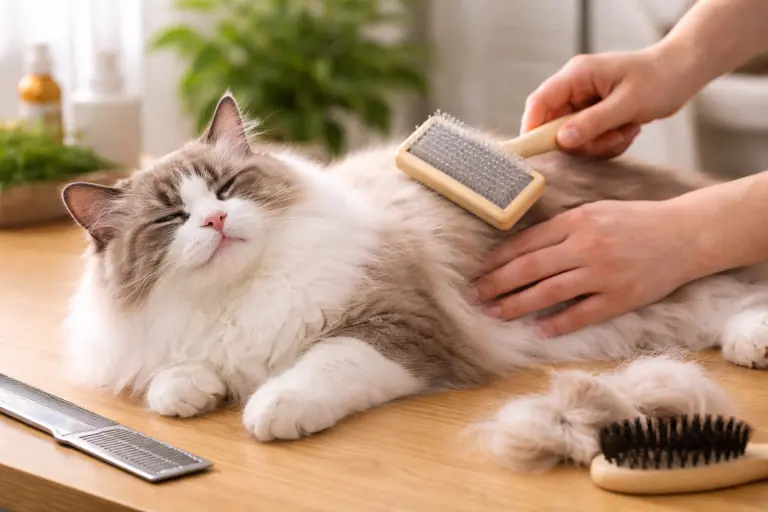
Grooming your Ragdoll cat is more than just keeping them looking beautiful. It helps maintain their health, prevents discomfort, and strengthens the bond between you and your cat. Ragdolls have long, silky coats that are prone to tangling and shedding, so regular grooming ensures their fur stays soft, shiny, and free of mats. It also gives you the chance to check for skin issues, bumps, or parasites that might otherwise go unnoticed.
Unlike some short-haired cats, Ragdolls require consistent attention to their coat. Regular grooming reduces shedding around the house, which is especially important for families who want to minimize hair on furniture and clothing. Grooming also reduces the risk of hairballs, which can be uncomfortable or even dangerous if they become severe. Brushing not only removes loose fur but also stimulates the skin and promotes healthy blood circulation.
Beyond the coat, grooming plays a vital role in the overall well-being of your cat. It allows you to notice small changes in behavior, appetite, or mobility that could indicate a health issue. For example, a Ragdoll that suddenly resists brushing might have a sore spot, a hidden mat, or a health problem that needs attention. Paying attention to grooming routines gives you an early warning system for your cat’s health.
Finally, grooming is an excellent way to bond with your Ragdoll. Most Ragdolls are known for their relaxed and gentle temperament, making them more tolerant of brushing and handling than many other breeds. When grooming is done gently and consistently, it can become a positive and enjoyable experience for both you and your cat. It also teaches your cat to trust handling, which will make nail trims, ear cleaning, and vet visits much easier in the long run.
Brushing, Coat, and Mat Care
Brushing is the most important grooming task for a Ragdoll cat. Their long, silky coat can easily tangle if not brushed regularly. Use a soft-bristled slicker brush or a wide-tooth comb to gently remove loose hairs. Start with short brushing sessions if your cat is new to grooming, and gradually increase the time as they get used to it. Always brush in the direction of the fur, never against it, to prevent discomfort and reduce the risk of pulling on mats.
Ragdolls are prone to developing mats behind their ears, under their legs, and around the belly. Mats should never be cut out with scissors unless you are trained because it is easy to accidentally cut the skin. Instead, use a detangling comb or seek help from a professional groomer if the mat is stubborn. Preventing mats is much easier than removing them, so consistent brushing is key. Even short brushing sessions every few days can keep mats at bay.
Brushing also gives you a chance to check for parasites like fleas or ticks, and skin issues such as redness, bumps, or dandruff. Gently run your fingers over your cat’s skin while brushing to feel for any abnormalities. Ragdolls usually enjoy this type of attention, and it makes them more comfortable with grooming in general. If you notice anything unusual, consult your veterinarian promptly.
Here’s a simple weekly grooming schedule for Ragdolls based on age and coat condition:
| Age/Coat Condition | Brushing Frequency | Mats & Tangles Check |
|---|---|---|
| Kitten (under 6 months) | 2–3 times per week | Gently check during brushing |
| Adult Ragdoll | 3–5 times per week | Inspect areas behind ears, under legs, belly |
| Senior Ragdoll | 3 times per week | Extra care on fragile skin and joints |
| Heavy shedding season | Daily | Focus on belly, under legs, tail base |
Nail Trimming, Ear, Eye, and Dental Basics
Trimming your Ragdoll’s nails may seem intimidating, but it becomes easier with practice. Ragdolls usually tolerate gentle handling due to their calm nature. Use a sharp cat nail clipper and trim only the tip of the nail to avoid the quick, which is the pink part containing blood vessels. If you accidentally cut the quick, apply styptic powder to stop bleeding. Start with one or two nails per session if your cat is nervous, and gradually increase as they become more comfortable.
Ragdolls’ ears should be checked regularly for dirt, wax buildup, or signs of infection. Use a soft, damp cotton ball to wipe the outer ear gently. Never insert anything deep into the ear canal. Ear infections can be painful and may require veterinary care, so early detection is important. Similarly, check your cat’s eyes for any discharge, redness, or cloudiness. A soft cloth or cotton pad can be used to gently wipe away tear stains or debris.
Dental care is often overlooked but is essential for your Ragdoll’s health. Use a cat-specific toothbrush and toothpaste to clean the teeth several times per week. Start slowly, allowing your cat to get used to the taste and sensation. Dental hygiene prevents plaque buildup, gum disease, and bad breath, and it also contributes to overall health since oral issues can affect other organs if left untreated.
Here’s a grooming frequency chart for nails, ears, eyes, and teeth:
| Grooming Task | Frequency | Notes |
|---|---|---|
| Nail trimming | Every 2–3 weeks | Adjust frequency based on activity and nail growth |
| Ear cleaning | Once a month | More often if debris or wax buildup is noticed |
| Eye care | Weekly | Wipe away discharge with damp cotton |
| Teeth brushing | 2–3 times per week | Use cat-specific toothpaste only |
Bathing and Stress-Aware Handling
Most Ragdolls rarely need a bath because their coats are naturally clean. However, occasional bathing may be necessary if your cat gets into something sticky or dirty. Use a cat-safe shampoo and lukewarm water, and avoid getting water in their ears or eyes. Make sure the bathing area is calm, quiet, and safe. A non-slip surface like a towel in the sink or tub helps prevent your cat from slipping and feeling insecure.
Drying your Ragdoll is just as important as washing. Gently pat the fur with a towel to remove excess water. Many Ragdolls tolerate blow dryers set to low heat, but some may become stressed, so observe your cat’s reaction. Never force the process; patience is key. Allowing the coat to air dry while keeping your cat warm is an alternative.
Handling your Ragdoll carefully during grooming is essential to prevent stress. Pay attention to body language: flattened ears, twitching tail, hissing, or attempting to escape are signs your cat is uncomfortable. Take breaks, speak softly, and use gentle strokes to reassure them. Positive reinforcement with treats or praise encourages calm behavior and creates a positive association with grooming.
Here are some stress signals to watch for during grooming:
| Stress Signal | Meaning | How to Respond |
|---|---|---|
| Flattened ears | Discomfort or fear | Pause, give space, return later |
| Twitching tail | Irritation | Stop brushing that area, continue gently elsewhere |
| Hissing/growling | High stress | Stop immediately, allow calm time |
| Attempting to escape | Anxiety | Use calm, slow handling, try shorter sessions |
Common Grooming Mistakes & Quick Reference Guide
Many Ragdoll owners make simple mistakes that can be avoided with proper knowledge. One common error is skipping regular brushing. Even though Ragdolls are laid-back cats, their long coat requires frequent attention to prevent mats and shedding. Another mistake is forcing grooming when the cat is stressed, which can cause fear or aggression. Patience and short, calm sessions are much more effective.
Using the wrong tools is another frequent problem. Human brushes, nail clippers, or shampoos can harm your cat’s skin or coat. Always use grooming tools designed for cats. Cutting mats with scissors is dangerous; always attempt gentle detangling first or seek a professional if necessary. Ignoring signs of skin problems or abnormal behavior during grooming can also lead to bigger health issues.
Positive reinforcement is key. Reward your Ragdoll with treats, petting, or play after successful grooming sessions. This helps your cat associate grooming with pleasant experiences and reduces resistance over time. Even short, consistent sessions are better than infrequent long sessions. Make grooming a daily or weekly habit rather than a rare chore.
Here is a quick-reference table for Do’s and Don’ts of Ragdoll grooming:
| Do | Don’t |
|---|---|
| Brush gently and regularly | Pull on mats or tangles |
| Trim nails carefully | Cut too deep into the quick |
| Use cat-safe shampoo | Use human or harsh products |
| Reward calm behavior | Force the cat to stay still |
| Check skin, ears, and eyes | Ignore unusual signs |
Grooming your Ragdoll is a rewarding routine that ensures your cat stays healthy, happy, and comfortable. With gentle handling, consistent brushing, and attention to nails, ears, eyes, and teeth, you can prevent common problems and build a strong bond. Remember, when in doubt, professional groomers or veterinarians are there to help with mats, nail trimming, or any concerns about your cat’s coat and health.For more in-depth guidance on cat care, you can visit the ASPCA Cat Care Guide.

Ata Ur Rehman is the founder of Pet Age in Human Years Calculator, an educational platform that provides age conversion charts and lifespan guides for dogs, cats, birds, and other companion animals. His work focuses on helping pet owners understand how animal ages translate into human years using commonly accepted age conversion formulas and published lifespan averages.
The website compiles breed and species lifespan data from kennel clubs, breed organizations, and general animal lifespan studies to present simple and easy-to-understand guides for pet owners worldwide.
This website was created to centralize animal age conversion charts into one easy reference platform for pet owners.