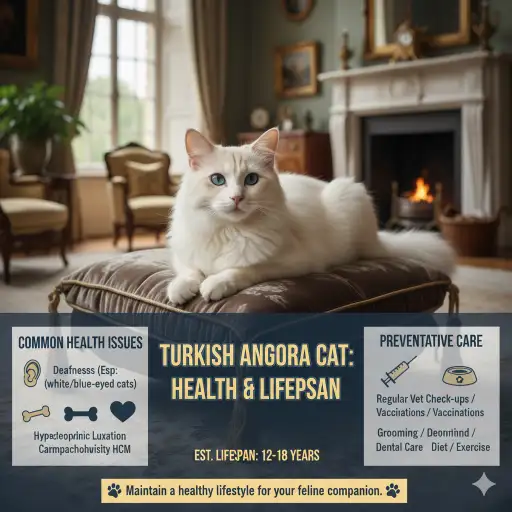
The Turkish Angora is often described as graceful, athletic, and long-lived. Many owners are pleasantly surprised to learn that this elegant cat is not just beautiful, but also capable of living well into the mid to late teens with proper care. Like all cats, however, lifespan is influenced by many factors — not just breed alone.
On average, a Turkish Angora living indoors can live between 12 and 18 years. Some even reach their early twenties with attentive preventive care and a safe environment. Cats that spend most of their time outdoors often have shorter lifespans due to increased risks such as accidents, infections, and environmental dangers. This does not mean outdoor cats cannot live long lives — but statistically, indoor cats tend to live longer.
It is important to remember that lifespan numbers are ranges, not guarantees. Genetics, diet, weight, veterinary care, stress levels, and daily lifestyle all play a role. Two Turkish Angoras from the same litter may not age the same way. One may remain energetic at 15, while another may slow down earlier due to health changes.
The good news is that Turkish Angoras are generally considered a healthy and resilient breed. With steady care, routine checkups, and a watchful eye for changes, many owners enjoy many active and affectionate years with their cats.
Here is a quick comparison to help put lifespan into perspective:
| Living Environment | Average Lifespan Range | Main Risk Factors |
|---|---|---|
| Indoor Only | 12–18+ years | Obesity, dental disease, age-related illness |
| Indoor/Outdoor | 10–15 years | Injuries, infections, parasites |
| Mostly Outdoor | 7–12 years | Trauma, toxins, contagious disease |
Keeping a Turkish Angora indoors, maintaining a healthy weight, and staying consistent with veterinary visits are among the most powerful ways to support longevity.
Common Turkish Angora Health Issues (What Owners Should Know)
Turkish Angoras are not known for having a long list of severe breed problems. Still, like all cats, they can experience certain health conditions. Some are linked to genetics, while others are common to cats in general.
One condition sometimes discussed in this breed is hypertrophic cardiomyopathy (HCM). This is a form of heart disease that affects many cat breeds, not only Turkish Angoras. It involves thickening of the heart muscle. Some cats show no early signs, which is why routine veterinary exams are important. Not every Turkish Angora develops this condition, and responsible breeding programs aim to reduce risk.
Another concern seen more often in white Turkish Angoras is congenital deafness. Cats with blue eyes or odd-colored eyes may have a higher chance of being born deaf in one or both ears. Many deaf cats live completely normal and happy lives indoors. They simply rely more on sight and vibration than sound.
Beyond breed-associated concerns, Turkish Angoras are still vulnerable to common feline health issues. Dental disease is one of the most overlooked problems in cats. Plaque buildup and gum inflammation can quietly affect comfort and overall health. Kidney disease is another condition that becomes more common as cats age. It usually develops slowly and is often detected through routine bloodwork.
Obesity is also an important topic. Turkish Angoras are naturally active and lean. When they gain excess weight, it can strain their joints and increase the risk of diabetes or urinary issues. Weight gain often happens slowly, which makes regular monitoring important.
Here is a simple overview of common health concerns:
| Health Issue | What It Is (Simple Explanation) | Typical Age Trend | Why Monitoring Matters |
|---|---|---|---|
| Hypertrophic Cardiomyopathy (HCM) | Thickening of the heart muscle | Adult to middle age | Early detection helps manage risk |
| Congenital Deafness | Hearing loss from birth | Present at birth | Impacts safety and training |
| Dental Disease | Gum infection and tooth decay | Any age, common after 3 years | Affects comfort and eating |
| Kidney Disease | Gradual loss of kidney function | Senior cats | Early signs can be subtle |
| Obesity | Excess body weight | Any age | Increases strain on organs |
| Urinary Issues | Bladder inflammation or crystals | Young to middle age | Can cause pain or blockage |
| Diabetes | Blood sugar imbalance | Middle to senior age | Linked to weight and metabolism |
It is important to view these as possibilities, not predictions. Many Turkish Angoras never experience serious illness. Awareness helps owners stay observant, not anxious.
What Affects a Turkish Angora’s Lifespan?
Genetics is the starting point, but it is not the whole story. Cats from responsible breeders who screen for inherited conditions may have lower risks for certain genetic problems. However, daily care plays an even bigger role in long-term health.
Nutrition is one of the most powerful influences. A balanced diet that supports lean muscle helps Turkish Angoras maintain their natural athletic build. Overfeeding, even with high-quality food, can lead to gradual weight gain. Extra pounds increase the risk of joint stress, diabetes, and urinary concerns. Monitoring body condition — not just the number on the scale — makes a difference.
Physical activity is another key factor. Turkish Angoras are playful and intelligent. They benefit from climbing spaces, interactive toys, and daily engagement. Regular movement supports heart health, muscle tone, and mental stimulation.
Routine veterinary care supports early detection. Wellness exams often catch subtle changes before visible symptoms appear. Many chronic diseases, including kidney disease and diabetes, respond better when found early. Preventive care does not guarantee a long life, but it improves the chances of managing issues effectively.
The indoor environment also matters. Indoor cats are protected from traffic injuries, fights with other animals, and exposure to contagious diseases. Stress levels inside the home, such as loud environments or frequent changes, can also influence health over time.
Here is a simple breakdown:
| Factor | How It Affects Longevity | Owner Control Level |
|---|---|---|
| Genetics | Influences inherited risks | Limited |
| Nutrition | Supports organs and weight balance | High |
| Physical Activity | Maintains heart and muscle health | High |
| Veterinary Care | Allows early detection of disease | High |
| Living Environment | Reduces injury and infection risk | High |
| Stress Levels | Impacts immune function | Moderate to High |
Small daily habits often shape long-term outcomes more than dramatic changes.
Early Warning Signs & When to See a Veterinarian
Cats are very good at hiding discomfort. Turkish Angoras, with their confident personalities, may continue playing even when something feels off. That is why subtle changes matter.
A change in appetite is one of the earliest clues. Eating less, eating more than usual, or suddenly refusing food can signal an underlying issue. Gradual weight loss, even without visible illness, deserves attention. Rapid weight gain should also be discussed during routine visits.
Changes in litter box habits are important to watch. Straining, urinating outside the box, or visiting the box more often can signal urinary concerns. Persistent vomiting or diarrhea, especially if lasting more than a day or two, should not be ignored.
Breathing changes, such as open-mouth breathing or noticeable effort while resting, require prompt veterinary evaluation. Extreme lethargy, hiding more than usual, or sudden behavior shifts also deserve attention. The key idea is pattern plus persistence. One isolated event may not mean serious illness, but repeated or lasting changes should be checked.
Here is a quick-reference guide:
| Symptom Category | What to Watch For | Why It Matters |
|---|---|---|
| Appetite | Eating less or more than normal | May signal metabolic or dental issues |
| Weight | Unplanned loss or gain | Often early sign of chronic disease |
| Urination | Straining, frequent trips, accidents | Could indicate urinary problems |
| Energy | Extreme tiredness or hiding | Possible illness or pain |
| Breathing | Fast, labored, or open-mouth breathing | Requires prompt evaluation |
| Vomiting/Diarrhea | Repeated episodes | Risk of dehydration or underlying disease |
If something feels unusual, contacting a veterinarian for guidance is always appropriate. This article provides education, but only a veterinarian can examine and evaluate your individual cat.
Aging, Senior Care & Supporting Long-Term Quality of Life
Most cats are considered senior around 10 years of age, though some changes begin earlier. Turkish Angoras often remain playful well into middle age. Owners may first notice slight decreases in jumping ability or longer nap times.
As cats enter their senior years, kidney function naturally becomes an important focus. Many older cats experience gradual kidney changes. Routine blood tests during senior wellness visits help monitor this. Early detection often allows supportive care that maintains comfort.
Joint stiffness can also develop. A cat who once leaped effortlessly to high shelves may hesitate. Providing lower climbing options and soft resting areas can help maintain mobility. Some older cats show mild cognitive changes, such as confusion at night or altered sleep patterns.
Dental health becomes even more important with age. Chronic gum inflammation can affect appetite and comfort. Regular dental evaluations help maintain quality of life.
Quality of life is about more than just disease prevention. It includes comfort, mental stimulation, and a stable routine. Turkish Angoras thrive when they feel engaged and secure. Even senior cats enjoy gentle play and social interaction.
Here is a life stage overview:
| Life Stage | Common Changes | Owner Focus Areas |
|---|---|---|
| Young Adult (1–6 years) | High energy, lean body | Balanced diet, play, routine vet visits |
| Mature Adult (7–10 years) | Slight metabolism shift | Weight monitoring, dental care |
| Senior (10+ years) | Possible kidney or joint changes | Senior exams, comfort adjustments |
With attentive care, many Turkish Angoras continue to enjoy strong bonds and active lives well into their teens.
Turkish Angoras are generally healthy, intelligent, and long-lived cats. While certain health risks exist, awareness and preventive care are powerful tools. A safe home, balanced diet, regular activity, and consistent veterinary checkups provide the best support for a long and comfortable life.
For more educational information about feline health and preventive care, you can visit the American Veterinary Medical Association at https://www.avma.org/resources-tools/pet-owners/petcare/cat-care

Ata Ur Rehman is the founder of Pet Age in Human Years Calculator, an educational platform that provides age conversion charts and lifespan guides for dogs, cats, birds, and other companion animals. His work focuses on helping pet owners understand how animal ages translate into human years using commonly accepted age conversion formulas and published lifespan averages.
The website compiles breed and species lifespan data from kennel clubs, breed organizations, and general animal lifespan studies to present simple and easy-to-understand guides for pet owners worldwide.
This website was created to centralize animal age conversion charts into one easy reference platform for pet owners.