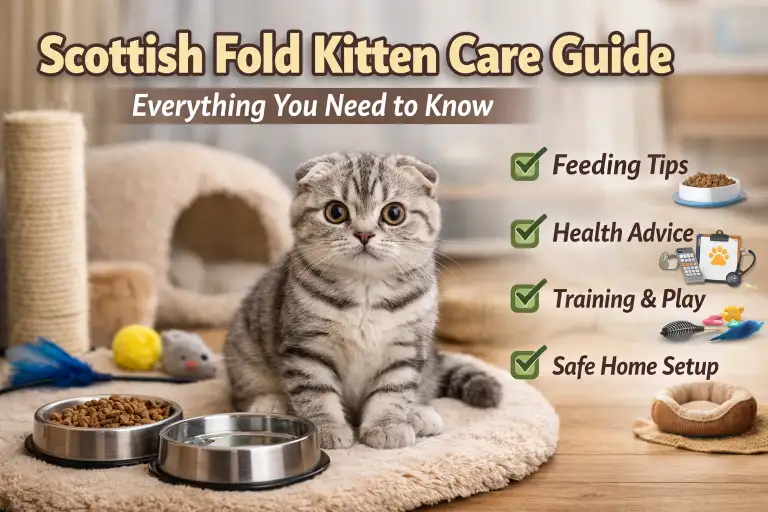
Bringing home a Scottish Fold kitten is exciting — and if you’re like most new owners, you probably have equal parts joy and quiet anxiety. That’s completely normal.
Scottish Fold kittens are known for their distinctive folded ears, round faces, and calm, affectionate personalities. But beyond their adorable appearance, they are gentle, people-oriented cats that thrive on routine, closeness, and a stable indoor environment.
Before your kitten even steps paw into your home, it helps to understand a few important things.
First, the folded ears are caused by a natural genetic trait that affects cartilage. Not every Scottish Fold will experience serious joint issues, but this breed does require thoughtful, low-impact care as they grow. That doesn’t mean you need to panic — it simply means you’ll want to be mindful about safe play, proper nutrition, and regular veterinary checkups.
Second, Scottish Folds tend to be quieter and more observant than some high-energy breeds. They bond deeply with their humans and often prefer being near you rather than climbing to the highest shelf in the room. Many do very well in apartments and indoor-only homes when given enough enrichment and interaction.
Here are a few quick facts that new owners often find reassuring:
- Scottish Fold kittens usually adapt quickly to calm households.
- They are affectionate but not typically overly demanding.
- Most kittens already understand basic litter habits when adopted at 8–12 weeks.
- They need safe, joint-friendly play rather than rough jumping games.
- Routine matters more than perfection.
If this is your first kitten, know this: you do not need to get everything exactly right on day one. What matters most during the first few weeks is creating a safe environment, offering consistent care, and observing your kitten’s normal behaviors.
This guide will walk you through preparing your home, feeding correctly, building a healthy daily routine, understanding common health concerns, and helping your Scottish Fold grow into a confident, well-adjusted cat.
Take a breath — you’re already doing the right thing by learning first.
Preparing Your Home for a Scottish Fold Kitten
Before your Scottish Fold kitten comes home, your goal is simple: create a safe, calm, and easy space for them to adjust. The first few days are about comfort and security — not perfection.
Kittens can feel scared in a new place. A small, quiet setup helps them feel safe faster.
Start With a Safe Starter Room
For the first 3–7 days, it helps to keep your kitten in one room.
This room should have:
- A litter box
- Food and water bowls
- A soft bed
- A scratching post
- A few simple toys
Avoid large open spaces at first. Too much space can feel overwhelming. Once your kitten seems relaxed and curious, you can slowly let them explore more of your home.
Essential Supplies Checklist
Here is a simple setup guide to make sure you have the basics covered:
| Area | What Your Kitten Needs | Why It Matters |
|---|---|---|
| Feeding Area | Shallow food bowl and fresh water bowl | Easy eating and drinking |
| Litter Area | Low-entry litter box and unscented litter | Easy access for small legs |
| Sleeping Space | Soft, low bed in a quiet corner | Helps your kitten feel secure |
| Play Area | Light toys and soft scratching post | Safe play without stress on joints |
Keep everything easy to reach. Scottish Fold kittens should not have to jump high to get to food, water, or rest.
Set Up the Litter Box Correctly
Place the litter box:
- Away from food and water
- In a quiet, low-traffic area
- On a flat surface
Most kittens already know how to use a litter box. Gently place them in it after meals or naps during the first few days so they understand where it is.
Kitten-Proof Your Home
Scottish Folds are curious, even if they are calm.
Make sure to:
- Hide loose wires and chargers
- Remove small objects they could swallow
- Close toilet lids
- Secure windows and balcony doors
- Move toxic plants out of reach
Because this breed can have joint sensitivity, try to avoid tall cat trees or high shelves at first. Choose low climbing options instead.
Introducing Children and Other Pets
Keep early meetings slow and calm.
With children:
- Teach gentle touching
- No picking up without adult help
- No loud chasing or sudden grabbing
With other pets:
- Start with scent swapping (blankets or toys)
- Short supervised visits
- Separate spaces at first
Slow introductions build trust and reduce stress.
The First Week Matters Most
During the first week:
- Keep noise low
- Follow a simple routine
- Give your kitten space when needed
- Let them come to you
Some kittens hide at first. This is normal. Stay patient and calm. Most Scottish Fold kittens settle in within a few days.
Feeding, Nutrition & Healthy Growth for Scottish Fold Kittens
Feeding your Scottish Fold kitten does not have to be confusing. Keep it simple. Young kittens need food made just for kittens. This food has more protein, more fat, and more nutrients to help them grow strong.
Always look for food labeled “complete and balanced for kittens.” Adult cat food is not enough for a growing kitten.
Wet or Dry Food?
Both wet and dry kitten food can be good choices.
Wet food:
- Helps with hydration
- Easier to chew
- Often smells stronger, which kittens like
Dry food:
- Convenient and less messy
- Can help with chewing habits
- Easy to measure
Many owners use a mix of both. What matters most is quality kitten food and steady feeding times.
How Often Should You Feed?
Young kittens need small meals several times a day. Their stomachs are small, but their energy needs are high.
Here is a simple feeding guide:
| Age | Meals Per Day | What to Expect |
|---|---|---|
| 8–12 weeks | 3–4 small meals | Very fast growth and big appetite |
| 3–6 months | 3 meals | High energy and steady growth |
| 6–12 months | 2–3 meals | Growth slows down |
Always follow the feeding guide on your food label and adjust based on your vet’s advice.
Watch Healthy Growth
Scottish Fold kittens should:
- Gain weight steadily
- Have a soft but not round belly
- Be active and playful
- Have a shiny coat
Do not worry if your kitten eats more during growth spurts. This is normal.
If your kitten suddenly stops eating or seems very tired, call your vet for advice.
Water Is Very Important
Fresh water should always be available.
Some kittens drink more when:
- The bowl is wide and shallow
- The water is changed daily
- The bowl is kept away from the litter box
Joint-Friendly Nutrition
Because Scottish Folds can have cartilage and joint concerns, steady and balanced growth is important. Avoid overfeeding. Fast weight gain can put stress on growing joints.
You do not need special supplements unless your vet recommends them. A high-quality kitten food is usually enough.
Keep Feeding Simple
Try to:
- Feed at the same times each day
- Avoid constant free feeding
- Introduce new food slowly over 5–7 days
Routine helps your kitten feel safe and secure.
Daily Care Routine: Litter, Sleep, Play & Grooming
Daily care does not have to be hard. Scottish Fold kittens do best with simple routines. When things happen at the same time each day, they feel safe and calm.
Litter Training Basics
Most Scottish Fold kittens already know how to use a litter box when you bring them home at 8–12 weeks old.
To help them succeed:
- Use a low-entry litter box
- Keep it in a quiet place
- Scoop waste every day
- Keep food and water far from the litter box
If your kitten has an accident, do not yell. Clean the area well and gently place them back in the litter box next time. Accidents can happen during the first few days.
Normal Bathroom Habits
Healthy kittens usually:
- Pee several times a day
- Poop 1–3 times daily
- Use the litter box without crying
Call your vet if you see:
- Straining
- Blood in stool
- No bathroom use for more than a day
- Loud crying while using the box
Normal Kitten Behavior vs. When to Call the Vet
| Behavior | Usually Normal | Call Your Vet If… |
|---|---|---|
| Sleeping a lot | Yes, kittens sleep 16–20 hours | Very weak or not waking to eat |
| Zoomies (fast running) | Yes, especially at night | Sudden limping or pain |
| Mild clumsiness | Common in young kittens | Ongoing stiffness or trouble walking |
Sleep Needs
Scottish Fold kittens sleep a lot. This is healthy and normal. Sleep helps their body grow.
Do not wake your kitten often. Let them rest in a quiet, warm spot. A low, soft bed is best to protect their growing joints.
Play Time
Play keeps your kitten happy and healthy. It also helps prevent biting and scratching problems.
Good play ideas:
- Wand toys
- Soft balls
- Short 10–15 minute play sessions
- Gentle games on the floor
Avoid:
- High jumping games
- Rough wrestling with hands
- Letting them jump from high furniture
Because Scottish Folds can have joint sensitivity, low-impact play is best.
Stopping Biting and Scratching
If your kitten bites during play:
- Stop moving your hand
- Say “no” calmly
- Offer a toy instead
Never hit or yell. Calm correction works better.
Grooming Basics
Scottish Fold kittens are usually easy to groom.
Simple care includes:
- Brushing once or twice a week
- Trimming nails every few weeks
- Gently checking ears
- Wiping eyes if needed
Start grooming early so your kitten gets used to it. Keep sessions short and calm.
Sample Simple Daily Routine
Morning:
- Feed
- Quick litter scoop
- Short play session
Afternoon:
- Quiet rest time
- Gentle check-in
Evening:
- Feed
- Play session
- Calm bonding time
Routine builds trust and helps your kitten feel secure.
Health Basics & Common Concerns in Scottish Fold Kittens
Keeping your Scottish Fold kitten healthy starts with simple habits and regular vet care. You do not need to panic about every small change. You just need to know what is normal and when to ask for help.
First Vet Visit
Your kitten should see a vet soon after coming home.
At the first visit, the vet will:
- Check weight and body condition
- Listen to the heart and lungs
- Check ears, eyes, and teeth
- Talk about vaccines
- Answer your questions
This visit helps you build a health plan for your kitten’s first year.
Vaccines and Preventive Care
Your vet will guide you on:
- Core vaccines
- Deworming
- Flea prevention
- Microchipping
You do not need to memorize schedules. Just follow your vet’s plan and keep records safe.
Understanding Scottish Fold Joint Concerns
Scottish Folds have folded ears because of a cartilage trait. This same trait can affect joints in some cats.
This does not mean your kitten will have severe problems. Many live happy lives. But you should watch for signs of stiffness or pain.
Healthy care includes:
- Keeping your kitten at a healthy weight
- Avoiding high jumps
- Offering soft resting spots
- Scheduling regular vet checks
Normal Growth vs. Warning Signs
Here are signs your kitten is doing well:
- Playing and exploring
- Eating regularly
- Using the litter box
- Gaining weight steadily
Call your vet if you notice:
- Sudden limping
- Trouble standing or walking
- Swollen joints
- Not eating for more than a day
- Extreme tiredness
Trust your instincts. If something feels off, it is okay to ask your vet.
Indoor Safety Matters
Scottish Fold kittens are safest indoors. Outdoor risks include:
- Cars
- Other animals
- Falls
- Infections
Keep windows secure and avoid balcony access without protection.
Spay or Neuter
Your vet will talk to you about the right time to spay or neuter your kitten. This is part of normal pet care and helps prevent future health and behavior problems.
Stay Calm and Consistent
Most health issues are easier to manage when caught early. Routine vet visits and daily observation go a long way.
You do not need to watch your kitten every second. Just notice changes in behavior, appetite, or movement.
Socialization, Behavior & Long-Term Care Expectations
Scottish Fold kittens are known for being sweet, calm, and loving. But like all kittens, they still need guidance and time to grow into well-behaved adult cats.
This stage is about bonding, teaching gentle behavior, and setting simple rules.
Building a Strong Bond
Your kitten builds trust through daily care and quiet time with you.
You can build a strong bond by:
- Speaking in a soft voice
- Sitting on the floor at their level
- Letting them come to you
- Playing gently every day
- Keeping a steady routine
Scottish Folds often enjoy sitting near their owner rather than climbing high places. Many follow their people from room to room.
Helping Your Kitten Feel Confident
Confidence grows when your kitten feels safe.
Support this by:
- Giving them their own resting spot
- Avoiding loud, sudden noises
- Letting them explore slowly
- Not forcing cuddles
Some kittens are shy at first. That is normal. Patience works better than pressure.
Living With Other Pets
Scottish Folds can live peacefully with other cats and even dogs if introductions are slow.
Good introduction tips:
- Keep pets separate at first
- Let them smell each other’s bedding
- Use short, supervised visits
- Reward calm behavior
Never rush this process. Slow steps prevent fear and fighting.
Apartment Living
Scottish Folds usually do well in apartments because they are not overly hyper.
They still need:
- Daily play
- Mental stimulation
- Scratching posts
- Attention from their owner
Indoor living is safest for this breed.
Common Mistakes New Owners Make
Here are a few things to avoid:
- Encouraging rough jumping
- Overfeeding treats
- Skipping play time
- Yelling for normal kitten behavior
- Changing routines too often
Remember, kittens are still learning. Calm correction works better than punishment.
Frequently Asked Questions
Are Scottish Fold kittens very active?
They have playful moments, but they are usually calmer than some other breeds.
Do folded ears hurt them?
Folded ears themselves are not painful. But regular vet checks help monitor joint health.
Are they good with children?
Yes, if children are gentle and respectful.
How do I know my kitten is happy?
A happy kitten eats well, plays, sleeps deeply, and seeks comfort near you.
Do all Scottish Folds develop joint problems?
Not all do. Regular vet care and healthy habits support better outcomes.
Long-Term Care Expectations
As your kitten grows, focus on:
- Healthy weight
- Safe play
- Regular vet visits
- Daily affection
Scottish Folds often form deep bonds with one or two people. They thrive in homes where they feel secure and loved.
With patience, routine, and gentle care, your Scottish Fold kitten can grow into a calm, loving companion for many years.
For more detailed information about responsible breeding practices and inherited health conditions in Scottish Fold cats, you can visit the Cat Fanciers’ Association breed profile.

Ata Ur Rehman is the founder of Pet Age in Human Years Calculator, an educational platform that provides age conversion charts and lifespan guides for dogs, cats, birds, and other companion animals. His work focuses on helping pet owners understand how animal ages translate into human years using commonly accepted age conversion formulas and published lifespan averages.
The website compiles breed and species lifespan data from kennel clubs, breed organizations, and general animal lifespan studies to present simple and easy-to-understand guides for pet owners worldwide.
This website was created to centralize animal age conversion charts into one easy reference platform for pet owners.